


Sex differences in energy metabolism need to be considered with lifestyle modifications in humans
- PMID: 21773020
- PMCID: PMC3136178
- DOI: 10.1155/2011/391809
Sex differences in energy metabolism need to be considered with lifestyle modifications in humans
Abstract
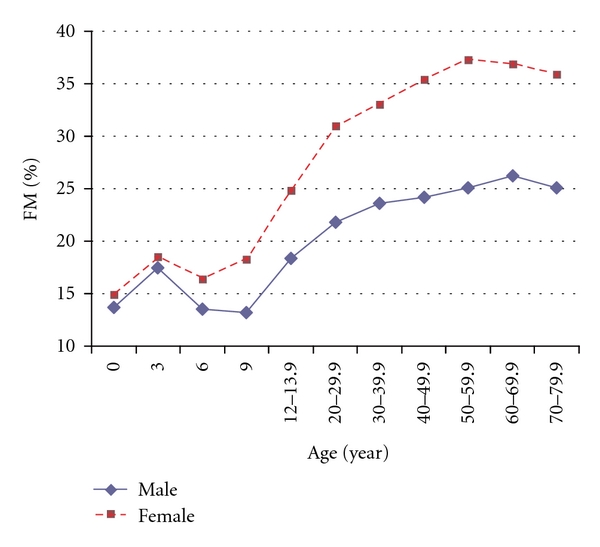
Women have a higher proportion of body fat compared to men. However, women consume fewer kilojoules per kilogram lean mass and burn fat more preferentially during exercise compared with men. During gestation, women store even greater amounts of fat that cannot be solely attributed to increased energy intake. These observations suggest that the relationship between kilojoules consumed and kilojoules utilised is different in men and women. The reason for these sex differences in energy metabolism is not known; however, it may relate to sex steroids, differences in insulin resistance, or metabolic effects of other hormones such as leptin. When considering lifestyle modifications, sex differences in energy metabolism should be considered. Moreover, elucidating the regulatory role of hormones in energy homeostasis is important for understanding the pathogenesis of obesity and perhaps in the future may lead to ways to reduce body fat with less energy restriction.
Figures
References
-
- Tarnopolsky MA. Sex differences in exercise metabolism and the role of 17-beta estradiol. Medicine and Science in Sports and Exercise. 2008;40(4):648–654. - PubMed
-
- O’Sullivan AJ. Does oestrogen allow women to store fat more efficiently? A biological advantage for fertility and gestation. Obesity Reviews. 2009;10(2):168–177. - PubMed
-
- Kopp-Hoolihan LE, Van Loan MD, Wong WW, King JC. Longitudinal assessment of energy balance in well-nourished, pregnant women. American Journal of Clinical Nutrition. 1999;69(4):697–704. - PubMed
-
- FAO/WHO/UNU Expert Consultation. Food and Nutrition Technical Report. Rome, Italy: FAO; 2004. Human energy requirements. (1).
LinkOut - more resources
Full Text Sources
