


High fructose feeding induces copper deficiency in Sprague-Dawley rats: a novel mechanism for obesity related fatty liver
- PMID: 21781943
- PMCID: PMC3261305
- DOI: 10.1016/j.jhep.2011.05.030
High fructose feeding induces copper deficiency in Sprague-Dawley rats: a novel mechanism for obesity related fatty liver
Abstract
Background & aims: Dietary copper deficiency is associated with a variety of manifestations of the metabolic syndrome, including hyperlipidemia and fatty liver. Fructose feeding has been reported to exacerbate complications of copper deficiency. In this study, we investigated whether copper deficiency plays a role in fructose-induced fatty liver and explored the potential underlying mechanism(s).
Methods: Male weanling Sprague-Dawley rats were fed either an adequate copper or a marginally copper deficient diet for 4 weeks. Deionized water or deionized water containing 30% fructose (w/v) was also given ad lib. Copper and iron status, hepatic injury and steatosis, and duodenum copper transporter-1 (Ctr-1) were assessed.
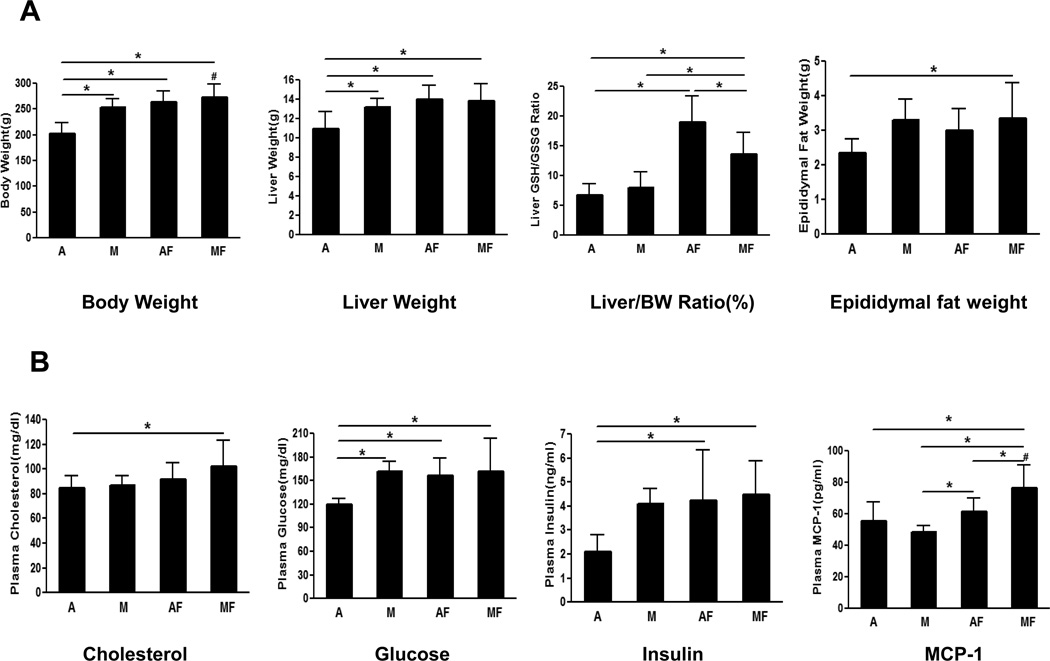
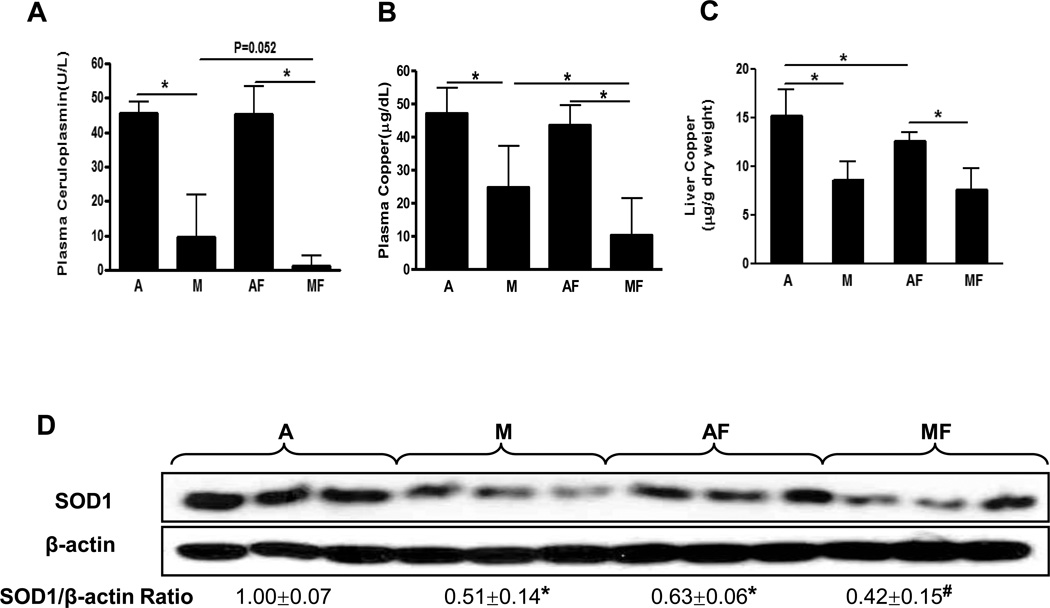
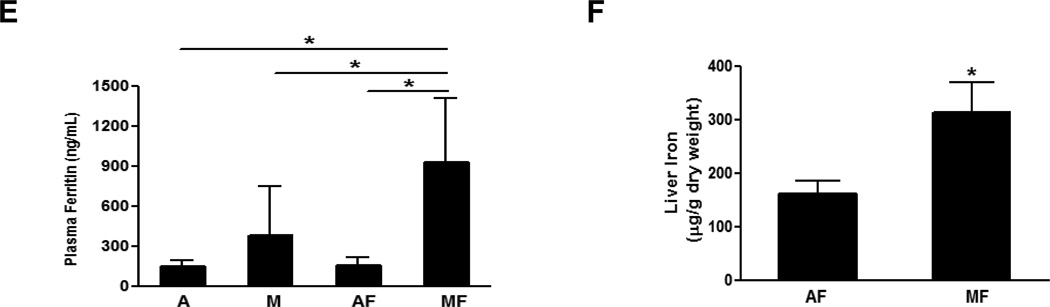
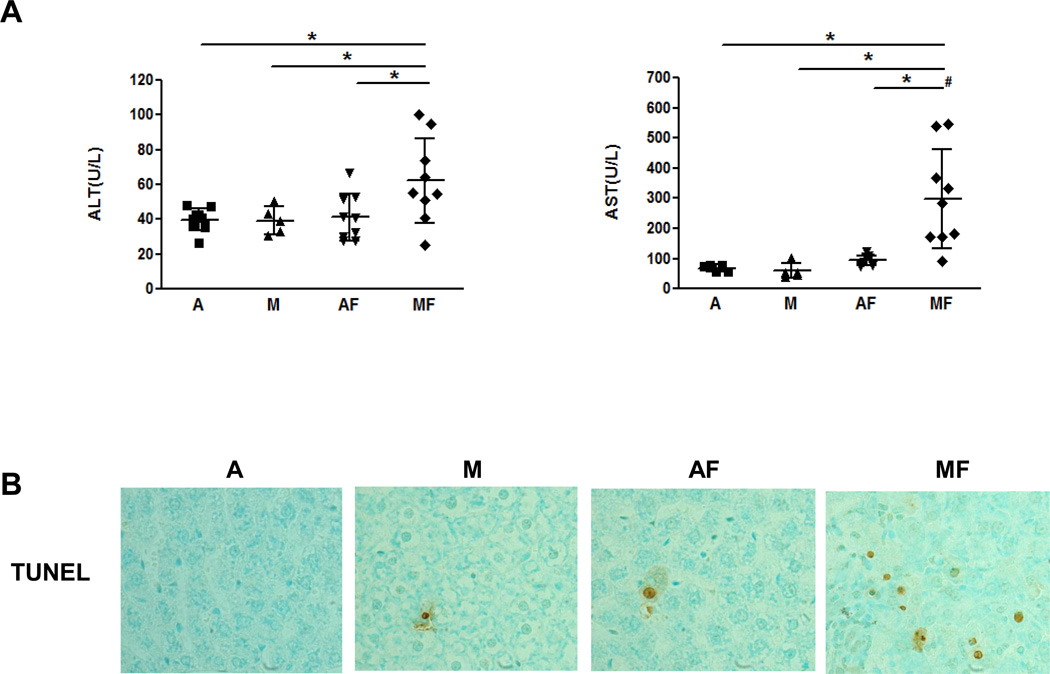
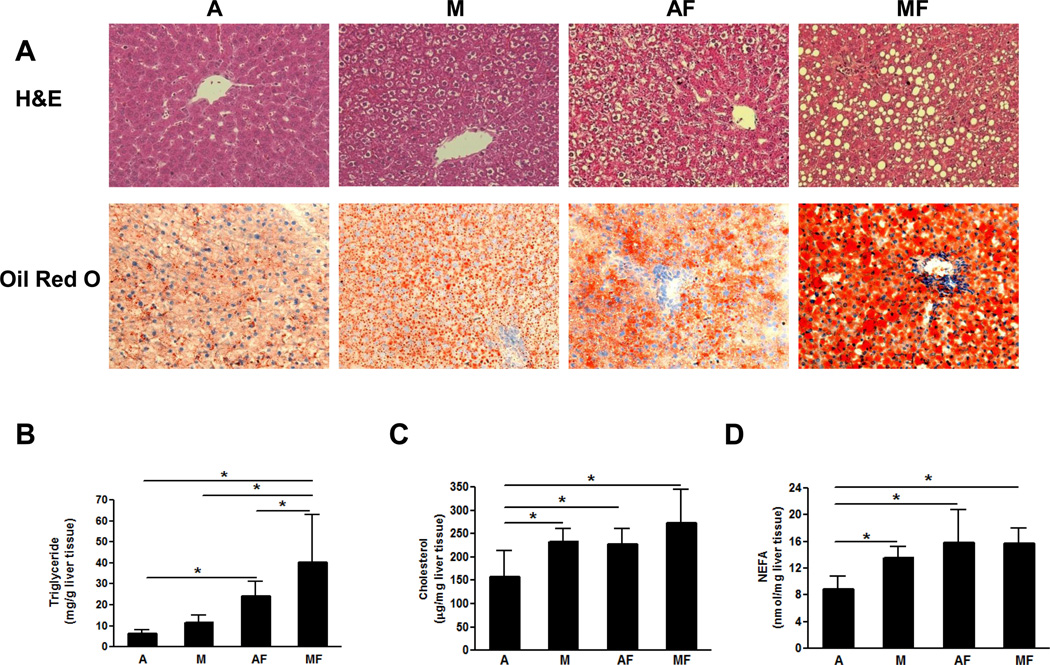
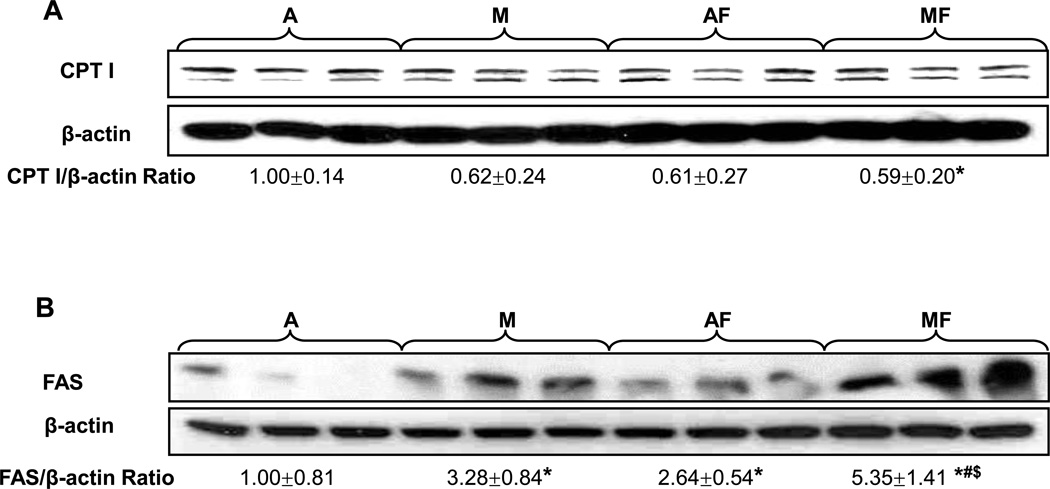
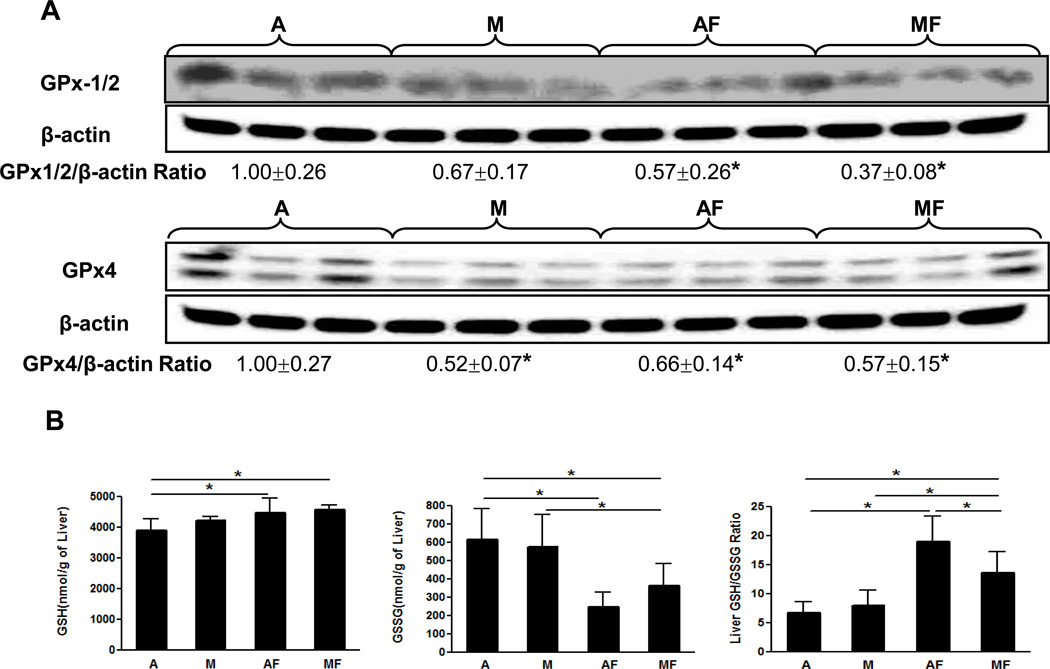
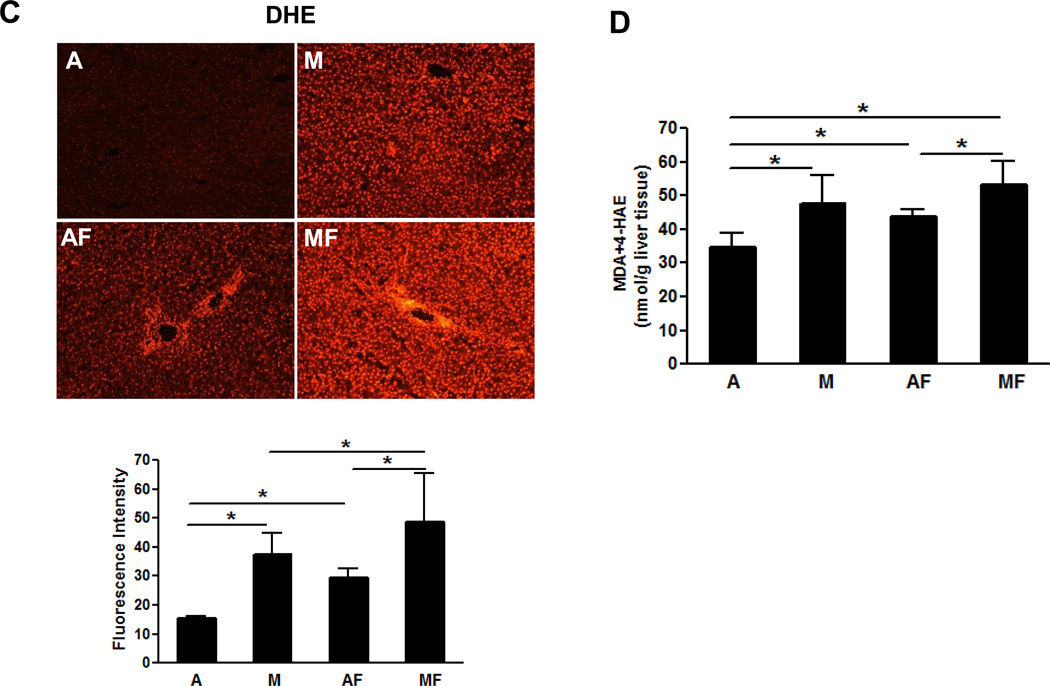
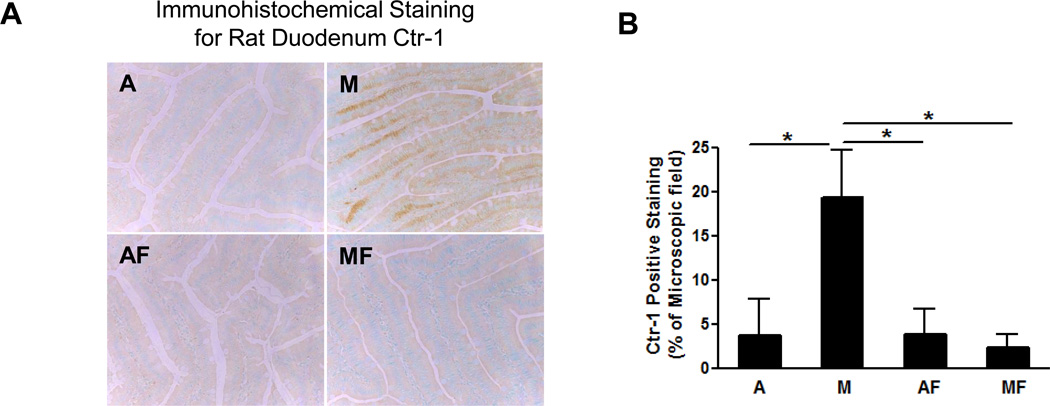
Results: Fructose feeding further impaired copper status and led to iron overload. Liver injury and fat accumulation were significantly induced in marginal copper deficient rats exposed to fructose as evidenced by robustly increased plasma aspartate aminotransferase (AST) and hepatic triglyceride. Hepatic carnitine palmitoyl-CoA transferase I (CPT I) expression was significantly inhibited, whereas hepatic fatty acid synthase (FAS) was markedly up-regulated in marginal copper deficient rats fed with fructose. Hepatic antioxidant defense system was suppressed and lipid peroxidation was increased by marginal copper deficiency and fructose feeding. Moreover, duodenum Ctr-1 expression was significantly increased by marginal copper deficiency, whereas this increase was abrogated by fructose feeding.
Conclusions: Our data suggest that high fructose-induced nonalcoholic fatty liver disease (NAFLD) may be due, in part, to inadequate dietary copper. Impaired duodenum Ctr-1 expression seen in fructose feeding may lead to decreased copper absorption, and subsequent copper deficiency.
Copyright © 2011 European Association for the Study of the Liver. All rights reserved.
Conflict of interest statement
Figures
References
-
- Hallfrisch J. Metabolic effects of dietary fructose. FASEB J. 1990;4:2652–2660. - PubMed
-
- Spruss A, Bergheim I. Dietary fructose and intestinal barrier: potential risk factor in the pathogenesis of nonalcoholic fatty liver disease. J Nutr Biochem. 2009;20:657–662. - PubMed
-
- Holden JM, Wolf WR, Mertz W. Zinc and copper in self-selected diets. J Am Diet Assoc. 1979;75:23–28. - PubMed
Publication types
MeSH terms
Substances
Grants and funding
- DK-055030/DK/NIDDK NIH HHS/United States
- R01AA015970/AA/NIAAA NIH HHS/United States
- R01 AA014623/AA/NIAAA NIH HHS/United States
- P01 AA017103/AA/NIAAA NIH HHS/United States
- R01 AA018844/AA/NIAAA NIH HHS/United States
- R01DK071765/DK/NIDDK NIH HHS/United States
- RC2AA019385/AA/NIAAA NIH HHS/United States
- R01 AA018016/AA/NIAAA NIH HHS/United States
- R37AA010762/AA/NIAAA NIH HHS/United States
- R01 AA016013/AA/NIAAA NIH HHS/United States
- R01AA018844/AA/NIAAA NIH HHS/United States
- R01AA018869/AA/NIAAA NIH HHS/United States
- R01 DK055030/DK/NIDDK NIH HHS/United States
- P01AA017103/AA/NIAAA NIH HHS/United States
- R01 AA018869/AA/NIAAA NIH HHS/United States
- R01 DK071765/DK/NIDDK NIH HHS/United States
- RC2 AA019385/AA/NIAAA NIH HHS/United States
- P30AA019360/AA/NIAAA NIH HHS/United States
- R01AA016013/AA/NIAAA NIH HHS/United States
- R01AA014623/AA/NIAAA NIH HHS/United States
- R01 AA015970/AA/NIAAA NIH HHS/United States
- R01AA018016/AA/NIAAA NIH HHS/United States
- R37 AA010762/AA/NIAAA NIH HHS/United States
LinkOut - more resources
Full Text Sources
Medical
Research Materials
Miscellaneous
