


Resveratrol supplementation abrogates pro-arteriogenic effects of intramyocardial vascular endothelial growth factor in a hypercholesterolemic swine model of chronic ischemia
- PMID: 21783219
- PMCID: PMC3279731
- DOI: 10.1016/j.surg.2011.06.009
Resveratrol supplementation abrogates pro-arteriogenic effects of intramyocardial vascular endothelial growth factor in a hypercholesterolemic swine model of chronic ischemia
Abstract
Background: Clinical trials of therapeutic angiogenesis with vascular endothelial growth factor (VEGF) have been disappointing, owing likely to endothelial dysfunction. We used a swine model of chronic ischemia and endothelial dysfunction to determine whether resveratrol coadministration would improve the angiogenic response to VEGF therapy.
Methods: Yorkshire swine fed a high-cholesterol diet underwent left circumflex ameroid constrictor placement, and were given either no drug (high cholesterol control [HCC], n = 8), perivascular VEGF (2 μg sustained release [high cholesterol VEGF-treated; HCV], n = 8), or VEGF plus oral resveratrol (10 mg/kg, [high cholesterol VEGF- and resveratrol-treated; HCVR], n = 8). After 7 weeks, myocardial contractility, perfusion, and microvessel reactivity in the ischemic territory were assessed. Tissue was analyzed for vessel density, oxidative stress, and protein expression.
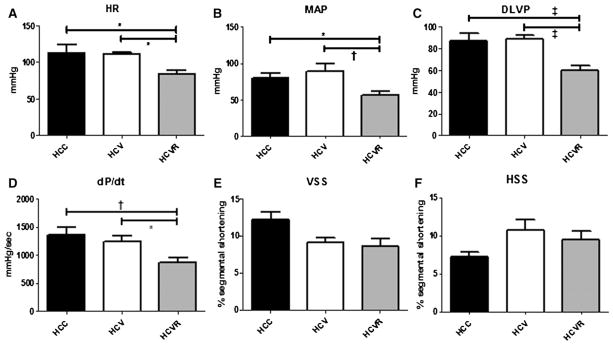
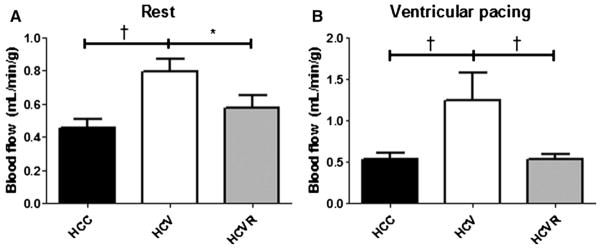
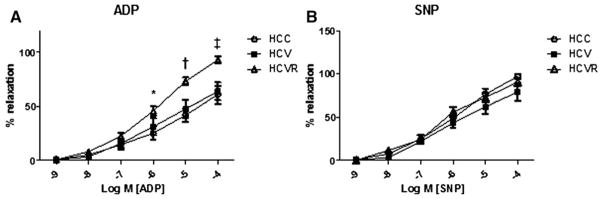
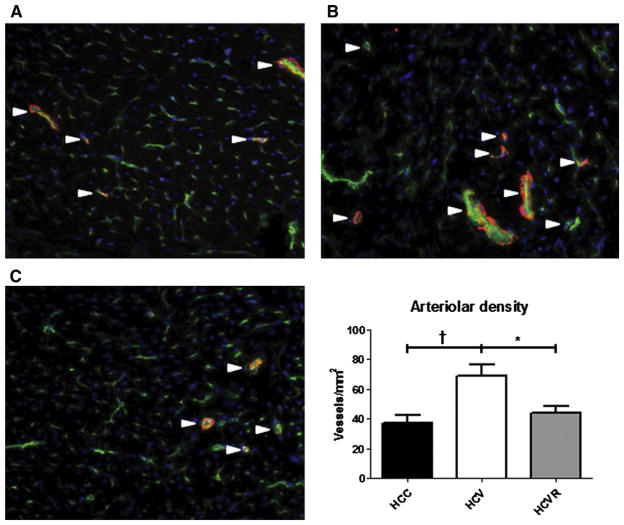
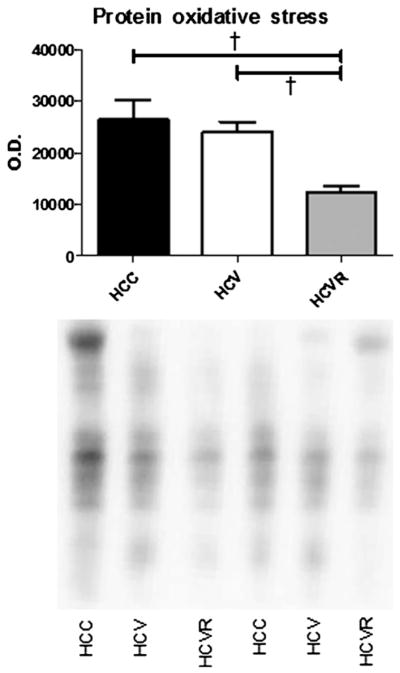
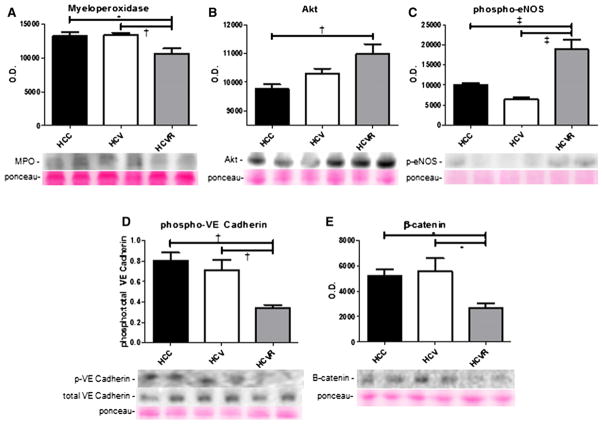
Results: Myocardial perfusion was significantly improved in the HCV group compared with the HCC group; resveratrol coadministration abrogated this improvement. There were no differences in regional myocardial contractility between groups. Endothelium-dependent microvessel relaxation was improved in the HCVR group, and endothelium-independent relaxation response was similar between groups. Arteriolar density was greatest in the HCV group, whereas capillary density was similar between groups. Expression of Akt and phospho-endothelial nitric oxide synthase were increased in the HCVR group. Total protein oxidative stress and myeloperoxidase expression were reduced in the HCVR group, but so was the oxidative-stress dependent phosphorylation of vascular endothelial cadherin (VE-cadherin) and β-catenin.
Conclusion: Although resveratrol coadministration decreases oxidative stress and improves endothelial function, it abolishes improvements in myocardial perfusion and arteriolar density afforded by VEGF treatment alone. This effect is due likely to inhibition of the oxidative stress-dependent phosphorylation of VE-cadherin, an essential step in the initiation of arteriogenesis.
Copyright © 2011. Published by Mosby, Inc.
Figures
References
-
- Yoon YS, Johnson IA, Park JS, Diaz L, Losordo DW. Therapeutic myocardial angiogenesis with vascular endothelial growth factors. Mol Cell Biochem. 2004;264:63–74. - PubMed
-
- Lopez JJ, Laham RJ, Stamler A, Pearlman JD, Bunting S, Kaplan A, et al. VEGF administration in chronic myocardial ischemia in pigs. Cardiovasc Res. 1998;40:272–81. - PubMed
-
- Henry TD, Annex BH, McKendall GR, Azrin MA, Lopez JJ, Giordano FJ, et al. The VIVA trial: vascular endothelial growth factor in ischemia for vascular angiogenesis. Circulation. 2003;107:1359–65. - PubMed
Publication types
MeSH terms
Substances
Grants and funding
LinkOut - more resources
Full Text Sources
Medical
Research Materials
