


Prevalence, risk factors and treatment-seeking behaviour for malaria: the results of a case study from the Terai region of West Bengal, India
- PMID: 21801498
- PMCID: PMC4090793
- DOI: 10.1179/136485911X12987676649548
Prevalence, risk factors and treatment-seeking behaviour for malaria: the results of a case study from the Terai region of West Bengal, India
Abstract
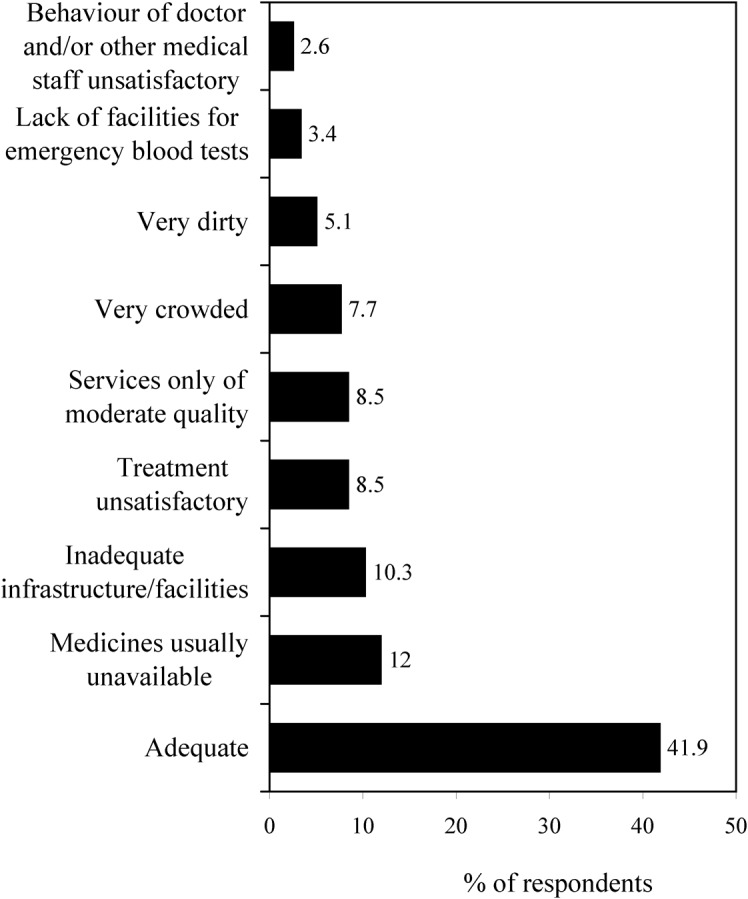
India is among the countries that are worse affected by human malaria, one of the major vector-borne diseases that continue to affect vast populations across the world. In a recent household survey in the Terai region of eastern India, the factors that might explain the occurrence and clustering of human malaria and the consequent healthcare-seeking behaviour of the human population were explored. The topography and geo-climatic conditions in Terai appear to intensify the risks of malaria but some socio-economic attributes, such as engagement in agricultural occupations, poor economic status and congested household environments, were also identified as significant risk factors for the disease. In the study area, public health facilities predominate as sources of medical care for malaria, although, at least in the early stages of treatment seeking, informal providers and pharmacies are also often involved. Unfortunately, despite the high frequency of malarial outbreaks, the local public health facilities were found to be ill-equipped to tackle and contain the spread of malaria. Preventive public-health measures, health education on malaria and malaria-awareness exercises were found to be scarce and irregular. The reliance on a reactive strategy of offering curative care to the affected led to overcrowding in healthcare facilities and shortages of medicines and diagnostic procedures. Along with a more efficient and reliable emergency system to deal with major outbreaks of malaria, more effective convergent interventions, by the local government and other stakeholders, should be developed to help prevent the disease.
Figures
References
-
- Anon(2007)Health on the March, 2006–07 Kolkata, India: Department of Health and Family Welfare
-
- Baruah I, Das NG, Kalita J.(2007)Seasonal prevalence of malaria vectors in Sonitpur district of Assam, India. Journal of Vector Borne Diseases 44149–153. - PubMed
-
- Das NG, Talukdara PK, Kalita J, Baruah I, Srivastava RB.(2007)Malaria situation in forest-fringed villages of Sonitpur district (Assam), India bordering Arunachal Pradesh during an outbreak. Journal of Vector Borne Diseases 44213–218. - PubMed
-
- Dev V, Dash AP, Khound K.(2006)High-risk areas of malaria and prioritizing interventions in Assam. Current Science 9032–36.
MeSH terms
Substances
LinkOut - more resources
Full Text Sources
Medical