


Metabolic alterations in cancer cells and therapeutic implications
- PMID: 21801600
- PMCID: PMC4013402
- DOI: 10.5732/cjc.011.10267
Metabolic alterations in cancer cells and therapeutic implications
Abstract
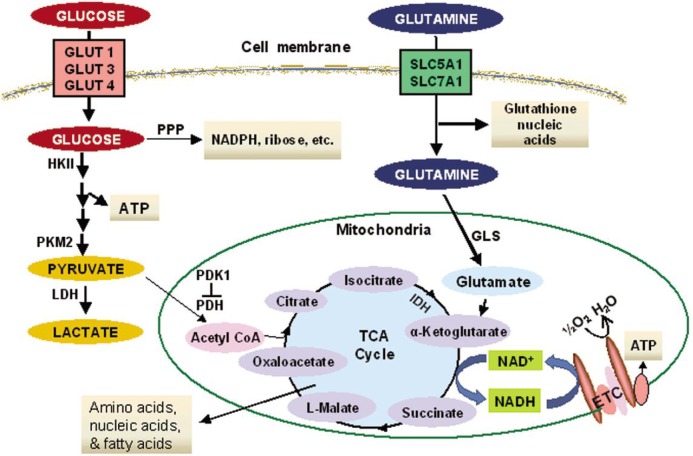
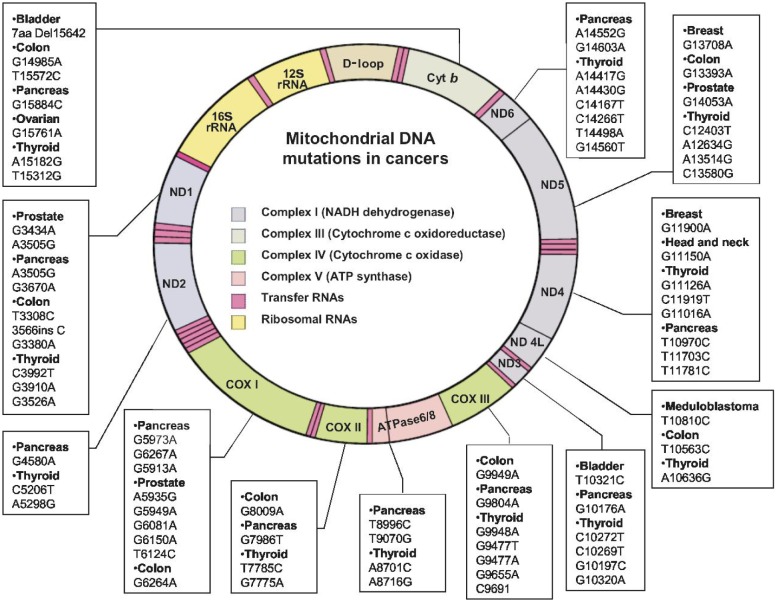
Cancer metabolism has emerged as an important area of research in recent years. Elucidation of the metabolic differences between cancer and normal cells and the underlying mechanisms will not only advance our understanding of fundamental cancer cell biology but also provide an important basis for the development of new therapeutic strategies and novel compounds to selectively eliminate cancer cells by targeting their unique metabolism. This article reviews several important metabolic alterations in cancer cells, with an emphasis on increased aerobic glycolysis (the Warburg effect) and glutamine addiction, and discusses the mechanisms that may contribute to such metabolic changes. In addition, metabolic alterations in cancer stem cells, mitochondrial metabolism and its influence on drug sensitivity, and potential therapeutic strategies and agents that target cancer metabolism are also discussed.
Figures
References
-
- Warburg O. On the origin of cancer cells [J] Science. 1956;123(3191):309–314. - PubMed
-
- Fantin VR, Berardi MJ, Scorrano L, et al. A novel mitochondriotoxic small molecule that selectively inhibits tumor cell growth [J] Cancer Cell. 2002;2(1):29–42. - PubMed
-
- Hanahan D, Weinberg RA. Hallmarks of cancer: the next generation [J] Cell. 2011;144(5):646–674. - PubMed
Publication types
MeSH terms
Substances
LinkOut - more resources
Full Text Sources
Other Literature Sources