


doi: 10.1007/s11832-010-0255-9.
Epub 2010 Apr 15.
Nicolas Andry de Bois-Regard (Lyon 1658-Paris 1742): the inventor of the word "orthopaedics" and the father of parasitology
Affiliations
- PMID: 21804898
- PMCID: PMC2908340
- DOI: 10.1007/s11832-010-0255-9
Item in Clipboard
Nicolas Andry de Bois-Regard (Lyon 1658-Paris 1742): the inventor of the word "orthopaedics" and the father of parasitology
J Child Orthop.
2010 Aug.
Abstract
This is an historical essay about Nicolas Andry, a French medical doctor (Lyon 1658-Paris 1742) who wrote in 1741 the famous book called "L'orthopedie", which was soon after translated into English (1742) "Orthopaedia or the art of correcting and preventing deformities in children". His life and works are detailed as the containment of the book composed of two volumes and many engravings (the crooked tree has become the symbol of numerous orthopaedic societies around the world). A discussion of semantics (ORTHO-PEDIE) and evolution of the meaning of this word is also discussed.
Keywords: History of orthopaedics; The crooked tree; The word “orthopaedics”.
Figures
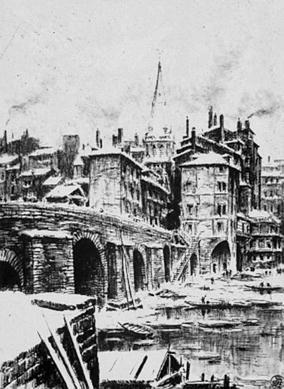
Parish of Saint Nizier and the bridge La Feuillée (on the bank of the river Saône). Historical engraving
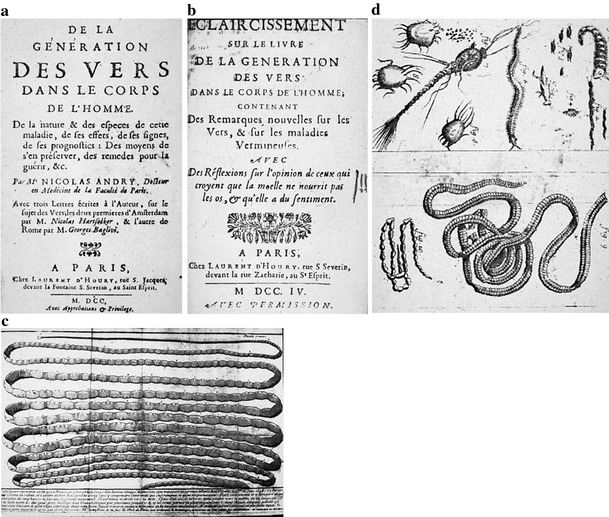
a Treatise on the generation of worms, 1700. b Clarification of the treatise, 1704. c, dTwo plates illustrating worms
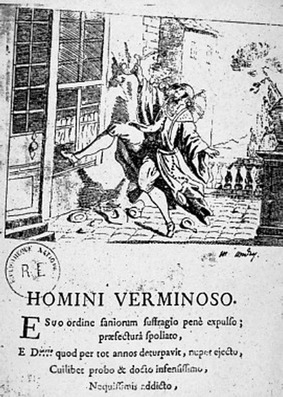
Satirical engraving of “Homini Verminoso” (French National Library)
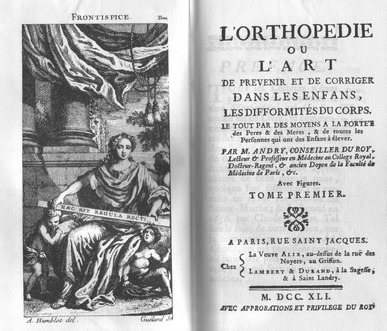
The engraved frontispiece of the French edition of L’Orthopédie (1741)
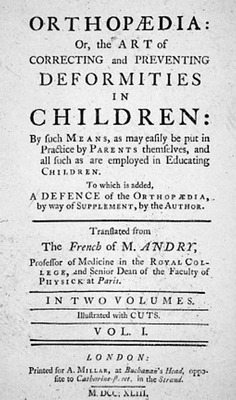
The English edition “Orthopaedia” (1743)
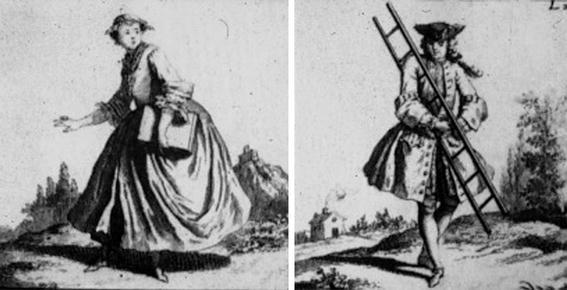
He recommends the carrying of a ladder to help correct scoliosis
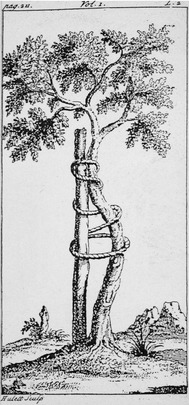
The famous engraving of the “crooked tree” (p. 282 of vol. 1)
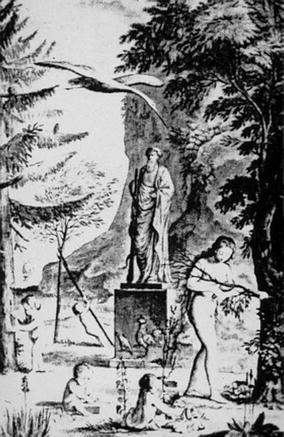
Engraving illustrating the chapter “Orthopaedics” in the Encyclopaedia, Paris, 1763
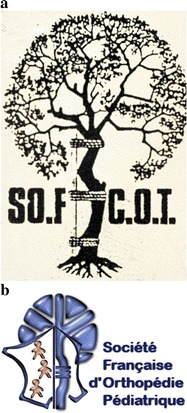
Two logos derived from the “crooked tree” (SOFCOT and SOFOP)
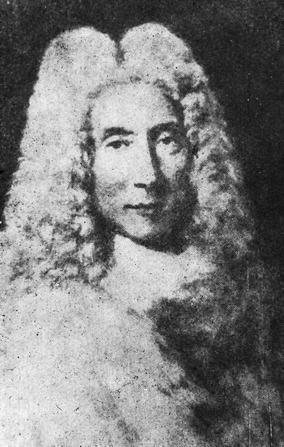
The portrait of N. Andry by Chereau
References
-
- Michel L. A propos du prochain bicentenaire de “l’orthopédie”. Rev Chir Orthop. 1938;25:282–286.
-
- Sicard A. Les origines de l’Académie Nationale de Chirurgie. Ann Chir. 1998;52:338–340. - PubMed
-
- Dictionnaire des Sciences Médicales . Nicolas Andry in T1. Paris: Panckouke; 1820. pp. 252–254.
-
- Kirkup J. Nicolas Andry et l’orthopédie. Hist Sci Méd T. 1993;28(3):205–209. - PubMed
-
- Michel L. Le portrait de N. Andry a-t-il été retrouvé? Rev Chir Orthop. 1939;26:382.
LinkOut - more resources
Full Text Sources
