


Post chicken pox neurological sequelae: Three distinct presentations
- PMID: 21808511
- PMCID: PMC3139357
- DOI: 10.4103/0976-3147.71718
Post chicken pox neurological sequelae: Three distinct presentations
Abstract
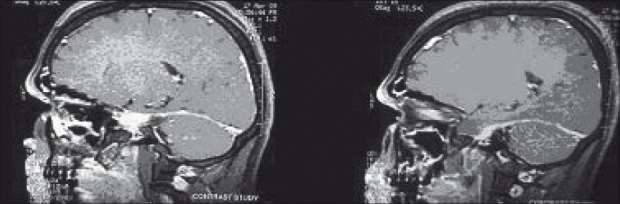
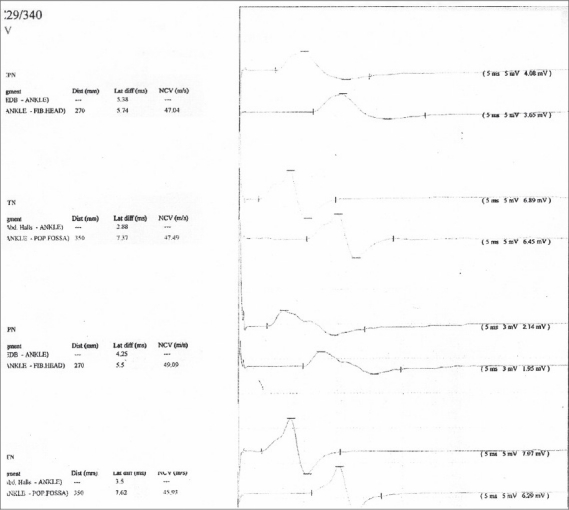
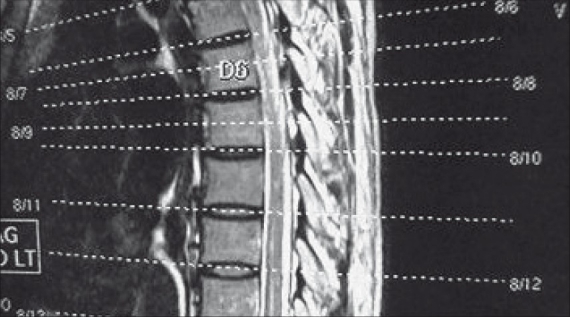
Varicella zoster infection is known to cause neurological involvement. The infection is usually self-limiting and resolves without sequelae. We present a series of three cases with neurological presentations following chicken pox infection. The first case is a case of meningitis, cerebellitis and polyradiculopathy, the second is a florid case of acute infective demyelinating polyradiculoneuropathy (Guillian-Barré syndrome) in a middle-aged female and the third case is a young man in whom we diagnosed acute transverse myelitis. All these cases presented with distinct neurological diagnoses and the etiology was established on the basis of history and serological tests confirmatory for chicken pox. The cases responded differently to treatment and the patients were left with minimum disability.
Keywords: Chicken pox; meningitis; polyradiculoneuropathy; transverse myelitis.
Conflict of interest statement
Figures
References
-
- Wilson RE, Ford FR. The nervous complications of variola, vaccinia and varicella with report of cases. Bull Johns Hopkins Hosp. 1927;40:337.
-
- RJ Whitley. Varicella- zoster virus infection Harrison's Principles of internal medicine. 2008:1103. Chapter 173.
-
- Jenkins RB. Severe Chicken- pox Encephalopathy: Treatment with intravenous urea, hypothermia and dexamethasone. Am J Dis Child. 1965;110:137–9. - PubMed
-
- Miller HG, Stanton JB, Gibbons JL. Parainfectious encephalomyelitis and related syndromes: Critical review of neurological complications of certain fevers. Q J Med. 1956;25:427–505. - PubMed
-
- Peters AC, Versteeg J, Lindeman J, Bots GT. Varicella and acute cerebellar ataxia. Arch Neurol. 1978;35:769–71. - PubMed
Publication types
LinkOut - more resources
Full Text Sources