


Arthroplasty of a Charcot knee
- PMID: 21808708
- PMCID: PMC3143972
- DOI: 10.4081/or.2010.e17
Arthroplasty of a Charcot knee
Abstract
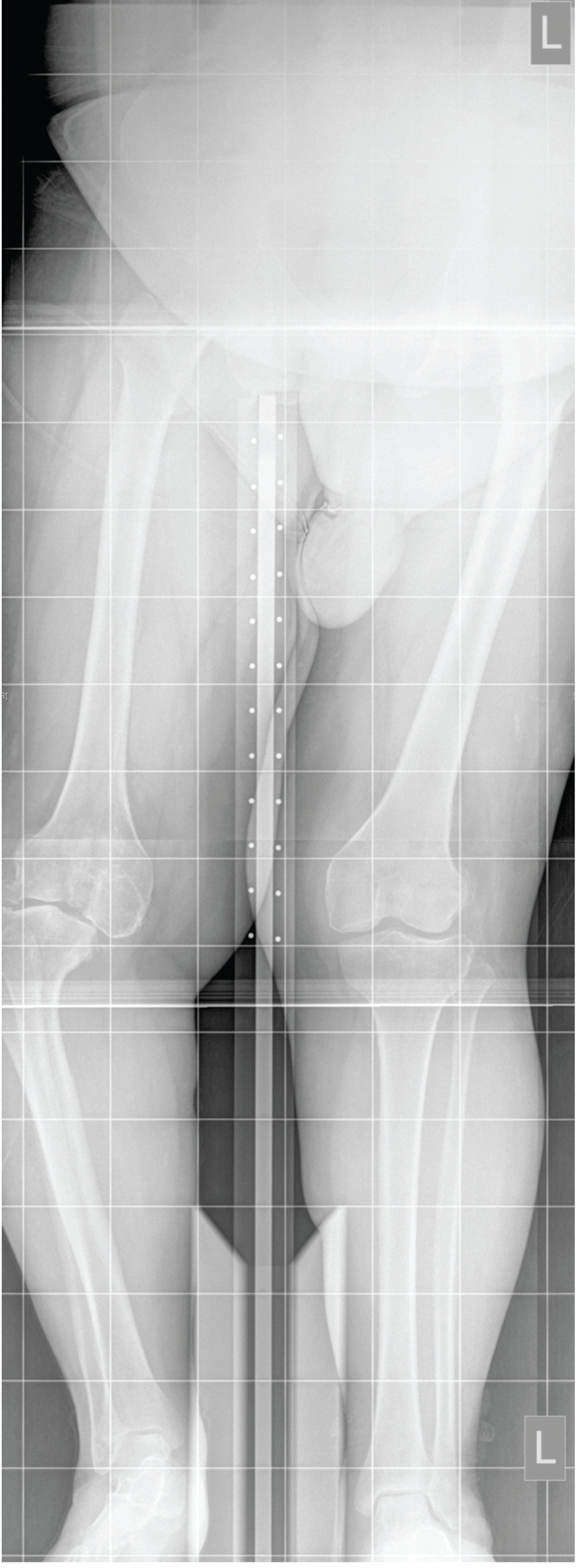
The Charcot knee - or neuropathic arthropathy - presents a considerable challenge to the orthopaedic surgeon. Caused by a combination of sensory, motor and autonomic neuropathy, it was originally described as an arthritic sequelae of neurosyphilis. In today's western orthopaedics it is more often caused by diabetes. A Charcot knee is often symptomatically painful and unstable. Traditional management has usually been conservative or arthrodesis, with limited success. Arthroplasty of a Charcot joint has commonly been avoided at all costs. However, in the right patient, using the right technique, arthroplasty can significantly improve the symptoms of a Charcot joint. This article explores the evidence surrounding the role of arthroplasty in the management of a Charcot knee. Arthroplasty is compared to other forms of treatment and specific patient demographics and surgical techniques are explored in an attempt to define the role of arthroplasty in the management of a Charcot knee.
Keywords: Charcot joint; arthroplasty; knee; neuropathic arthropathy..
Conflict of interest statement
Conflicts of interest: the authors report no conflict of interest.
Figures




References
-
- Brower AC, Allman RM. Pathogenesis of the neurotrophic joint: neurotraumatic vs. neurovascular. Radiology. 1981;139:349–54. - PubMed
-
- Allman RM, Brower AC, Kotlyarov EB. Neuropathic bone and joint disease. Radiol Clin North Am. 1988;26:1373–81. - PubMed
-
- Hanft JR, Goggin JP, Landsman A, Surprenant M. The role of combined magnetic field bone growth stimulation as an adjunct in the treatment of neuroarthropathy/Charcot joint: an expanded pilot study. J Foot Ankle Surg. 1998;37:510–5. - PubMed
-
- Archer AG, Roberts VC, Watkins PJ. Blood flow patterns in painful diabetic neuropathy. Diabetologia. 1984;27:563–7. - PubMed
LinkOut - more resources
Full Text Sources