


Difficulties with neurological prognostication in a young woman with delayed-onset generalised status myoclonus after cardiac arrest due to acute severe asthma
- PMID: 21814383
- PMCID: PMC3145302
- DOI: 10.4103/0972-5229.83010
Difficulties with neurological prognostication in a young woman with delayed-onset generalised status myoclonus after cardiac arrest due to acute severe asthma
Abstract
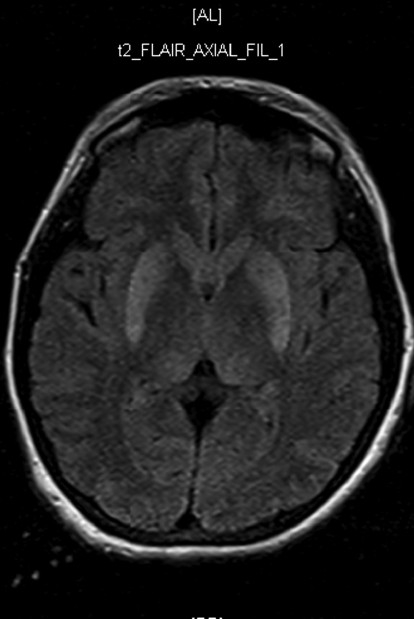
Neurological prognostication in cardiac arrest survivors is difficult, especially when the primary etiology is respiratory arrest. Prognostic factors designed to have zero false-positive rates to robustly confirm poor outcome are usually inadequate to rule out poor outcomes (i.e., high specificity and low sensitivity). One of the least understood prognosticators is generalised status myoclonus (GSM), with case reports confusing GSM, isolated myoclonic jerks and post-hypoxic intention myoclonus (Lance Adams syndrome [LAS]). With several prognostic indicators (including status myoclonus) having been validated in the pre-hypothermia era, their current relevance is debatable. New modalities such as brain magnetic resonance imaging (MRI) and continuous electroencephalography are being evaluated. We describe here a pregnant woman resuscitated from a cardiac arrest due to acute severe asthma, and an inability to reach a consensus based on published guidelines, with a brief overview of myoclonus, LAS and the role of MRI brain in assisting prognostication.
Keywords: Generalised myoclonus; Lance Adam syndrome; MRI; hypoxic encephalopathy; neurological prognostication.
Conflict of interest statement
Figures
References
-
- Longstreth WT, Jr, Diehr P, Inui TS. Prediction of awakening after-of-hospital cardiac arrest. N Engl J Med. 1983;308:1378–82. - PubMed
-
- Lance JW, Adams RD. The syndrome of intention or action myoclonus as a sequel to hypoxic encephalopathy. Brain. 1963;86:111–36. - PubMed
-
- Wijdicks EF, Hijdra A, Young GB, Bassetti CL, Wiebe S. Practice Parameter: Prediction of outcome in comatose survivors after cardiopulmonary resuscitation (an evidence-based review).Report of the Quality Standards Subcommittee of the American Academy of Neurology. Neurology. 2006;67:203–10. - PubMed
-
- Wijdicks EF, Parisi JE, Sharbrough FW. Prognostic value of myoclonus status in comatose survivors of cardiac arrest. Ann Neurol. 1994;35:239–43. - PubMed
Publication types
LinkOut - more resources
Full Text Sources