. 2011;6(7):e22572.
doi: 10.1371/journal.pone.0022572. Epub 2011 Jul 27.

Broad-spectrum antiviral therapeutics

Affiliations

Broad-spectrum antiviral therapeutics

Todd H Rider et al. PLoS One. 2011.

Abstract

Currently there are relatively few antiviral therapeutics, and most which do exist are highly pathogen-specific or have other disadvantages. We have developed a new broad-spectrum antiviral approach, dubbed Double-stranded RNA (dsRNA) Activated Caspase Oligomerizer (DRACO) that selectively induces apoptosis in cells containing viral dsRNA, rapidly killing infected cells without harming uninfected cells. We have created DRACOs and shown that they are nontoxic in 11 mammalian cell types and effective against 15 different viruses, including dengue flavivirus, Amapari and Tacaribe arenaviruses, Guama bunyavirus, and H1N1 influenza. We have also demonstrated that DRACOs can rescue mice challenged with H1N1 influenza. DRACOs have the potential to be effective therapeutics or prophylactics for numerous clinical and priority viruses, due to the broad-spectrum sensitivity of the dsRNA detection domain, the potent activity of the apoptosis induction domain, and the novel direct linkage between the two which viruses have never encountered.


Conflict of interest statement

Competing Interests: THR is the inventor on patents and patent applications covering DRACOs: Rider TH (issued October 24, 2006) Anti-pathogen treatments. U.S. Patent 7,125,839; Rider TH (issued July 28, 2009) Anti-pathogen treatments. U.S. Patent 7,566,694; Rider TH (filed June 18, 2009) Anti-Pathogen Treatments. U.S. Patent Application 20100098680; Rider TH (filed February 7, 2003) Anti-Pathogen Treatments. European Patent Application 03716001.7; Rider TH (filed February 7, 2003) Anti-Pathogen Treatments. Canadian Patent Application 2,475,247; Rider TH (filed February 7, 2003) Anti-Pathogen Treatments. Patent Cooperation Treaty Serial No. US03/03978; Rider TH (filed February 7, 2003) Anti-Pathogen Treatments. Japanese Patent Application 2003565429; Rider TH (filed November 19, 2009) Anti-Pathogen Treatments. Japanese Patent Application 2009262426. This does not alter the authors' adherence to all the PLoS ONE policies on sharing data and materials.

Figures

Figure 1
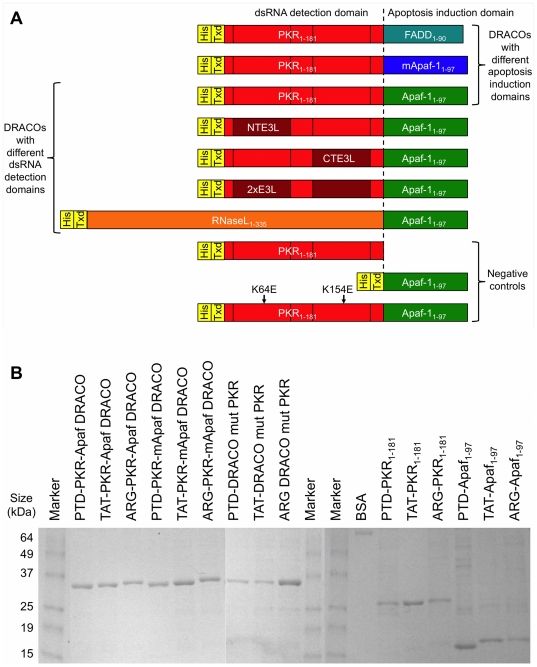
Figure 1. A variety of DRACOs and controls were produced.
(A) DRACOs with different dsRNA detection and apoptosis induction domains were designed and produced. All domains were human except murine Apaf-1 (mApaf-1), and some dsRNA detection domains used PKR1–181 with vaccinia E3L dsRNA binding motif replacing PKR dsRBM 1 (NTE3L), dsRBM 2 (CTE3L), or both (2×E3L). His denotes His6 purification tag and Txd denotes PTD, TAT, or ARG transduction tag. DRACOs with transduction tags on the N-, C-, or both termini were produced. (B) This protein gel shows examples of DRACOs and negative controls that were produced. 1 µg was loaded per lane. Final yields were approximately 30 mg purified protein per liter of culture.
Figure 2
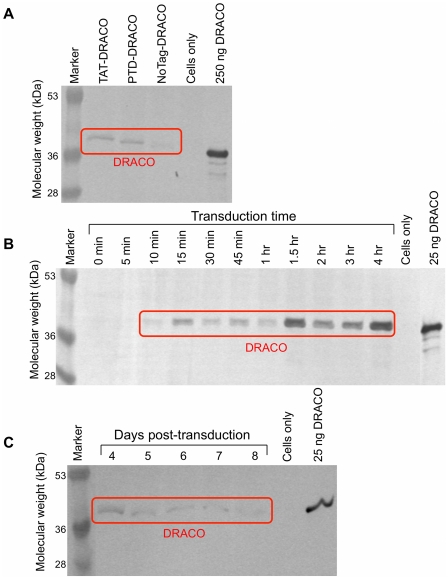
Figure 2. DRACOs penetrated cells and persisted for days.
(A) DRACOs with PTD or TAT tags entered H1-HeLa cells more readily than DRACO without a transduction tag. 400 nM PKR-Apaf DRACO was added to medium for 1 hour, and then cells were trypsinized and washed to remove any DRACO on the cell surface. Cells were lysed and analyzed for DRACO by westerns using anti-His6 antibodies. Lysate from approximately 105 cells was loaded in each lane. A known amount of purified PKR-Apaf DRACO was used as a standard as indicated. (B) DRACOs entered HeLa cells within 10 minutes and reached a maximum after 1.5 hours. 400 nM TAT-PKR-Apaf DRACO was added to medium for the specified time, and then cells were analyzed as in (A). (C) DRACOs persisted within HeLa cells for at least 8 days. 500 nM PTD-PKR-Apaf DRACO was added to cell medium for 1 hour, and then cells were put into DRACO-free medium. After the specified number of days, cells were analyzed as in (A).
Figure 3
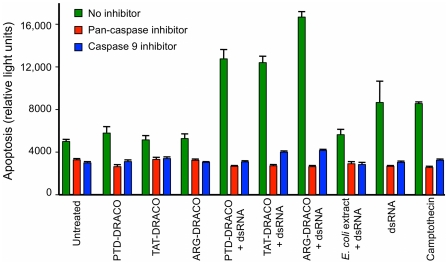
Figure 3. DRACOs mediated apoptosis in cells containing dsRNA.
L929 cells transfected with both DRACO and poly(I)∶poly(C) dsRNA exhibited apoptosis within 24 hours, whereas cells that received only DRACO did not. Caspase inhibitors eliminated DRACO-mediated apoptosis in the presence of dsRNA.
Figure 4
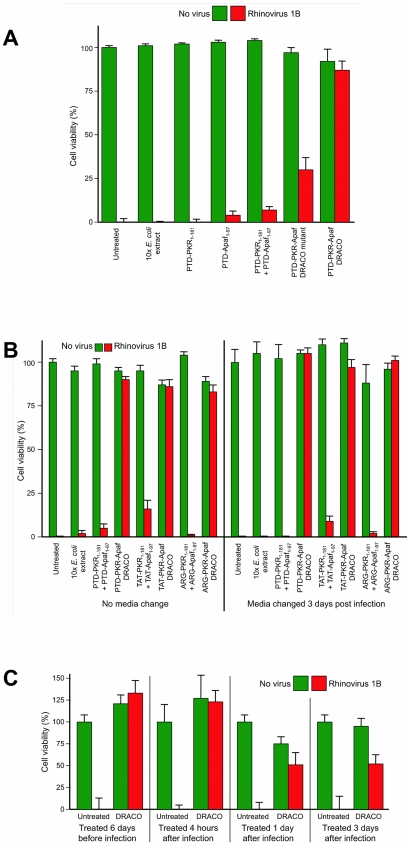
Figure 4. DRACOs were effective against rhinovirus 1B in NHLF cells.
(A) 100 nM DRACO was effective against 130 pfu/well rhinovirus, whereas 100 nM negative controls were not (12 dpi). (B) Cell viability measured 7 dpi showed little difference if 100 nM DRACO-containing medium was removed 3 dpi when untreated cells had widespread CPE from 130 pfu/well rhinovirus 1B; there was no relapse of viral CPE in treated cells after DRACOs were withdrawn. (C) 1 dose of 25 nM PTD-PKR-Apaf DRACO was effective against rhinovirus 1B in NHLF cells when it was added from 6 days before infection to 3 days after infection. (Complete viral CPE in untreated cell populations required 3–4 days in our experiments, and for these experiments a significant fraction of cells were still uninfected 3 dpi.) Cell viability was measured 14 dpi.
Figure 5
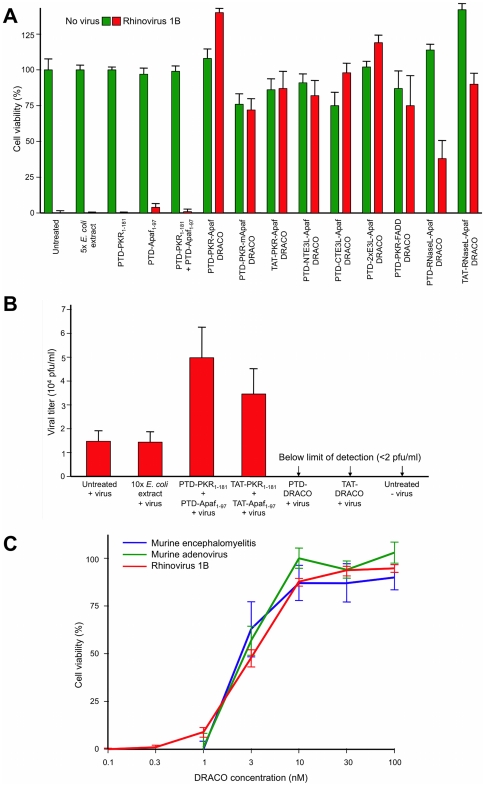
Figure 5. DRACOs were effective against rhinovirus 1B and other viruses.
(A) Multiple 100 nM DRACOs were effective against 130 pfu/well rhinovirus (4 dpi). Even better performance of these alternate DRACOs might be achieved with further optimization. (B) PKR-Apaf DRACOs reduced the viral titer in supernatant from NHLF cells challenged with 300 pfu/well rhinovirus 1B to undetectable levels. PKR and Apaf-1 domains not covalently linked increased viral titers somewhat, possibly by interfering with the antiviral activity of endogenous wild-type PKR and Apaf-1. Cells were treated with 100 nM DRACO or controls. Supernatants were collected 4 dpi and their viral titers determined by serial dilution onto fresh 96-well NHLF plates. (C) The EC50 for PTD-PKR-Apaf DRACO was 2–3 nM against 130 pfu/well rhinovirus 1B in NHLF cells (measured 3 dpi), and 50 pfu/well murine encephalomyelitis (3 dpi) and 50 pfu/well murine adenovirus (11 dpi) in L929 cells.
Figure 6
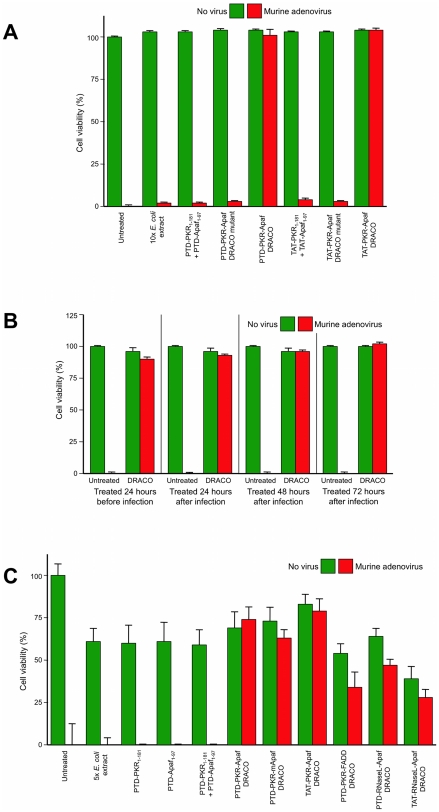
Figure 6. DRACOs were effective against murine adenovirus in L929 cells.
(A) 100 nM DRACOs were effective against 50 pfu/well murine adenovirus, whereas all negative controls were not (16 dpi). (B) 100 nM PTD-PKR-Apaf DRACO was effective if added before or up to at least 72 hours after adenovirus (16 dpi). (C) Multiple 100 nM DRACOs were effective against 50 pfu/well murine adenovirus (11 dpi). Even better performance of these alternate DRACOs might be achieved with further optimization.
Figure 7
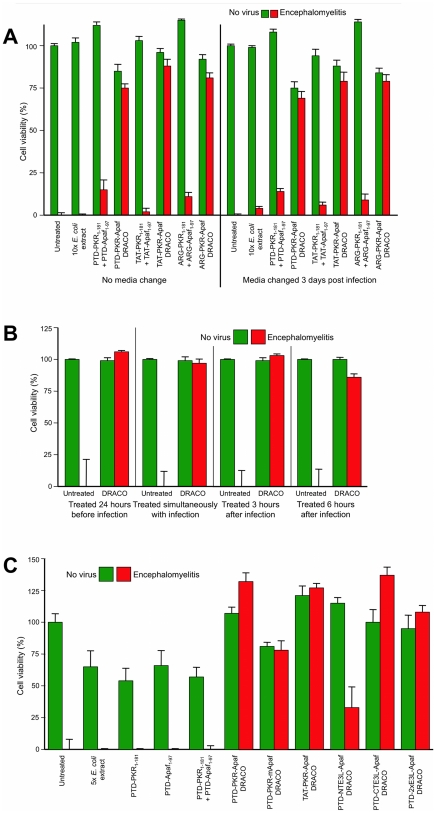
Figure 7. DRACOs were effective against murine encephalomyelitis in L929 cells.
(A) 100 nM DRACOs were effective against 50 pfu/well encephalomyelitis. Cell viability measured 6 dpi showed little difference if DRACO-containing medium was removed 3 dpi when untreated cells had widespread CPE; there was no relapse of viral CPE in treated cells after DRACOs were withdrawn. (B) 100 nM PTD-PKR-Apaf DRACO was effective if added before, simultaneously with, or up to at least 6 hours after encephalomyelitis. (C) Multiple 100 nM DRACOs were effective against 50 pfu/well murine encephalomyelitis (4 dpi). Even better performance of these alternate DRACOs might be achieved with further optimization.
Figure 8
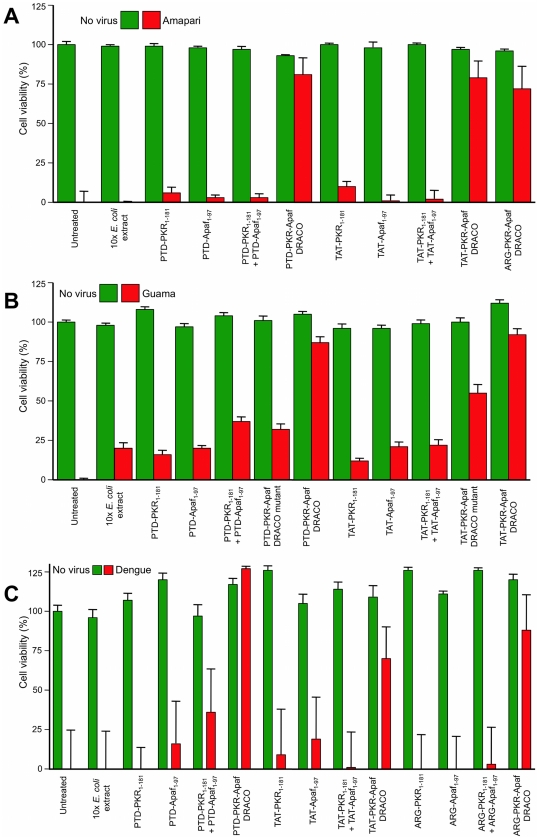
Figure 8. DRACOs were effective against arenaviruses, bunyaviruses, and flaviviruses.
200 nM DRACOs with PTD, TAT, and ARG protein transduction tags were effective in Vero E6 cells against (A) 30 pfu/well Amapari (assayed 15 dpi), (B) 30 pfu/well Guama strain Be An 277 (assayed 5 dpi), and (C) 10 pfu dengue type 2 (assayed 20 dpi).
Figure 9
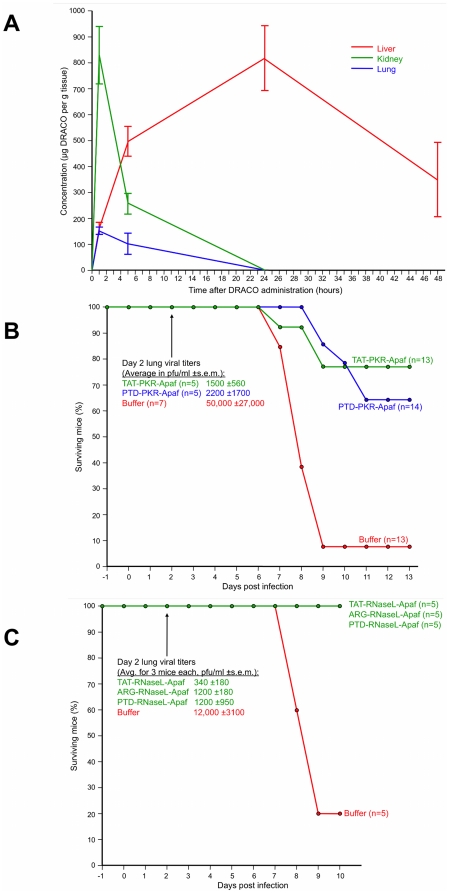
Figure 9. DRACOs appeared promising when administered via intraperitoneal (i.p.) injection in proof-of-concept trials with adult BALB/c mice.
(A) 2.5 mg PTD-PKR-Apaf DRACO administered i.p. penetrated the liver, kidney, and lungs and persisted for at least 48 hours. Averages of 3 mice per data point are plotted, and error bars show s.e.m. (B) PTD-PKR-Apaf and TAT-PKR-Apaf DRACOs administered i.p. from day -1 through day 3 greatly reduced the morbidity and day-2 lung viral titers in mice challenged intranasally (i.n.) with 1.3 LD50 influenza H1N1 A/PR/8/34. (C) PTD-RNaseL-Apaf, TAT-RNaseL-Apaf, and ARG-RNaseL-Apaf DRACOs administered i.p. from day -1 through day 3 greatly reduced the morbidity and day-2 lung viral titers in mice challenged i.n. with 0.3 LD50 influenza H1N1 A/PR/8/34.
Figure 10
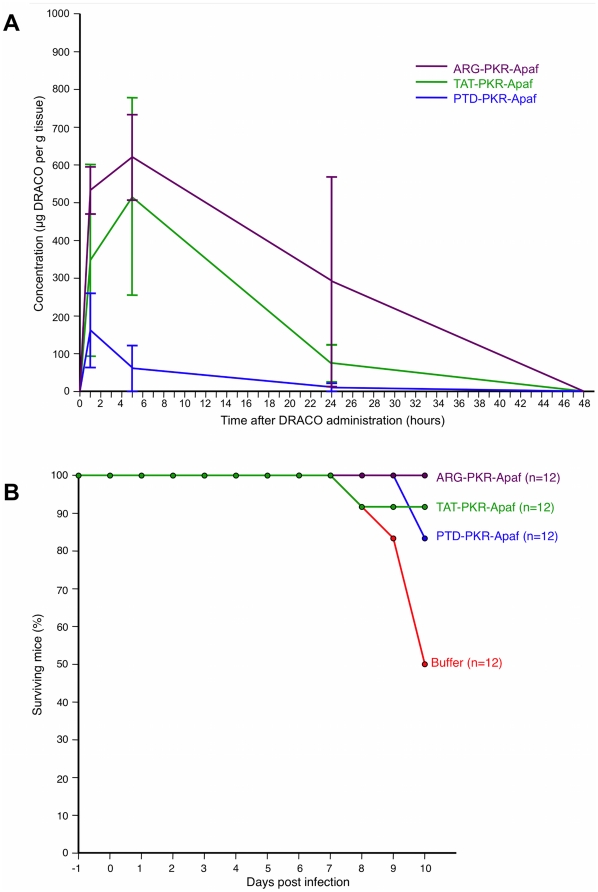
Figure 10. DRACOs appeared promising when administered via intranasal (i.n.) injection in proof-of-concept trials with adult BALB/c mice.
(A) 0.5 mg PKR-Apaf DRACO administered i.n. to adult BALB/c mice penetrated the lungs and persisted over 24 hours. Averages of 3 mice per data point are plotted, and error bars show s.e.m. (B) PTD-PKR-Apaf, TAT-PKR-Apaf, and ARG-PKR-Apaf DRACOs administered i.n. on day 0 reduced the morbidity in mice challenged i.n. with 1 LD50 influenza H1N1 A/PR/8/34.

References

    1. Kräusslich HG, Bartenschlager R, editors. Handbook of Experimental Pharmacology 189: Antiviral Strategies. Berlin: Springer; 2009. - PubMed
    1. Demberg T, Robert-Guroff M. Mucosal immunity and protection against HIV/SIV infection: strategies and challenges for vaccine design. Int Rev Immunol. 2009;28:20–48. - PMC - PubMed
    1. Boomker JM, de Leij LF, The TH, Harmsen MC. Viral chemokine-modulatory proteins: tools and targets. Cytokine Growth Factor Rev. 2005;16:91–103. - PubMed
    1. Knipe DM, Howley PM, editors. Fields Virology, 5th ed. Philadelphia: Lippincott Williams & Wilkins; 2006.
    1. Samuel CE. Knockdown by RNAi—proceed with caution. Nat Biotechnol. 2004;22:280–282. - PubMed

Publication types