


Inflammatory concepts of obesity
- PMID: 21837268
- PMCID: PMC3151511
- DOI: 10.4061/2011/529061
Inflammatory concepts of obesity
Abstract
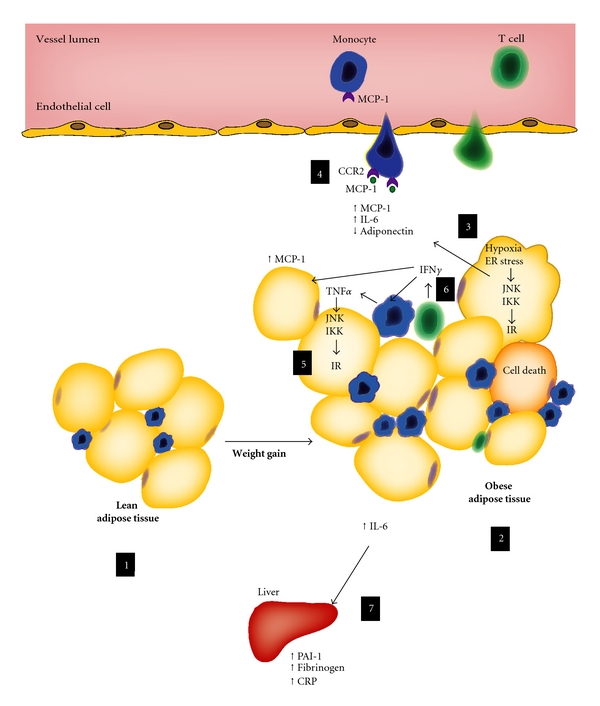
Obesity, long considered a condition characterized by the deposition of inert fat, is now recognized as a chronic and systemic inflammatory disease, where adipose tissue plays a crucial endocrine role through the production of numerous bioactive molecules, collectively known as adipokines. These molecules regulate carbohydrate and lipid metabolism, immune function and blood coagulability, and may serve as blood markers of cardiometabolic risk. Local inflammatory loops operate in adipose tissue as a consequence of nutrient overload, and crosstalk among its cellular constituents-adipocytes, endothelial and immune cells-results in the elaboration of inflammatory mediators. These mediators promote important systemic effects that can result in insulin resistance, dysmetabolism and cardiovascular disease. The understanding that inflammation plays a critical role in the pathogenesis of obesity-derived disorders has led to therapeutic approaches that target different points of the inflammatory network induced by obesity.
Figures
References
-
- Rocha VZ, Libby P. Obesity, inflammation, and atherosclerosis. Nature reviews. 2009;6(6):399–409. - PubMed
-
- Gregor MF, Hotamisligil GS. Inflammatory mechanisms in obesity. Annual Review of Immunology. 2011;29:415–445. - PubMed
-
- Ogston D, Mcandrew GM. FIbrinolysis in Obesity. The Lancet. 1964;2(7371):1205–1207. - PubMed
-
- Hotamisligil GS, Shargill NS, Spiegelman BM. Adipose expression of tumor necrosis factor-α: direct role in obesity-linked insulin resistance. Science. 1993;259(5091):87–91. - PubMed
LinkOut - more resources
Full Text Sources
