


Sex differences in the incidence of peripheral neuropathy among Kenyans initiating antiretroviral therapy
- PMID: 21844033
- PMCID: PMC3156141
- DOI: 10.1093/cid/cir432
Sex differences in the incidence of peripheral neuropathy among Kenyans initiating antiretroviral therapy
Abstract
Background: Peripheral neuropathy (PN) is common among patients receiving antiretroviral therapy (ART) in resource-limited settings. We report the incidence of and risk factors for PN among human immunodeficiency virus (HIV)-infected Kenyan adults initiating ART.
Methods: An inception cohort was formed of adults initiating ART. They were screened for PN at baseline and every 3 months for 1 year. We used the validated Brief Peripheral Neuropathy Screen (BPNS) that includes symptoms and signs (vibration perception and ankle reflexes) of PN.
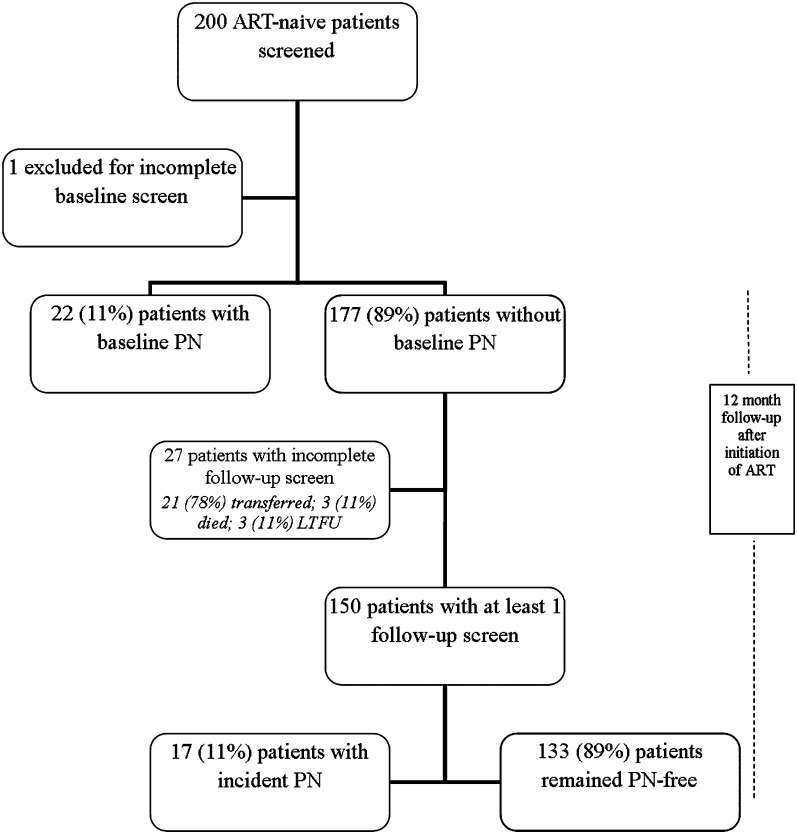
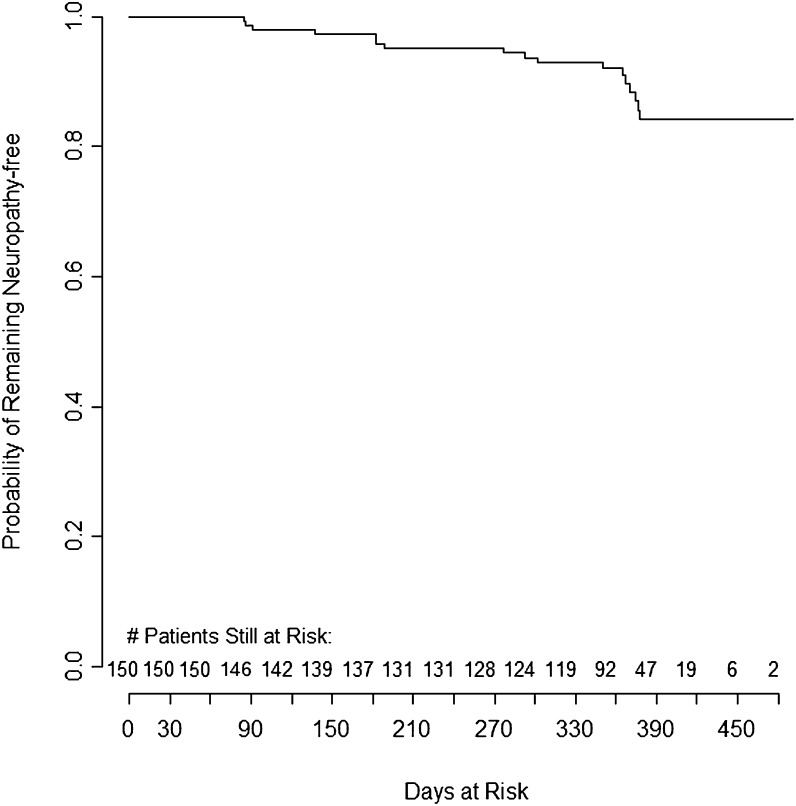
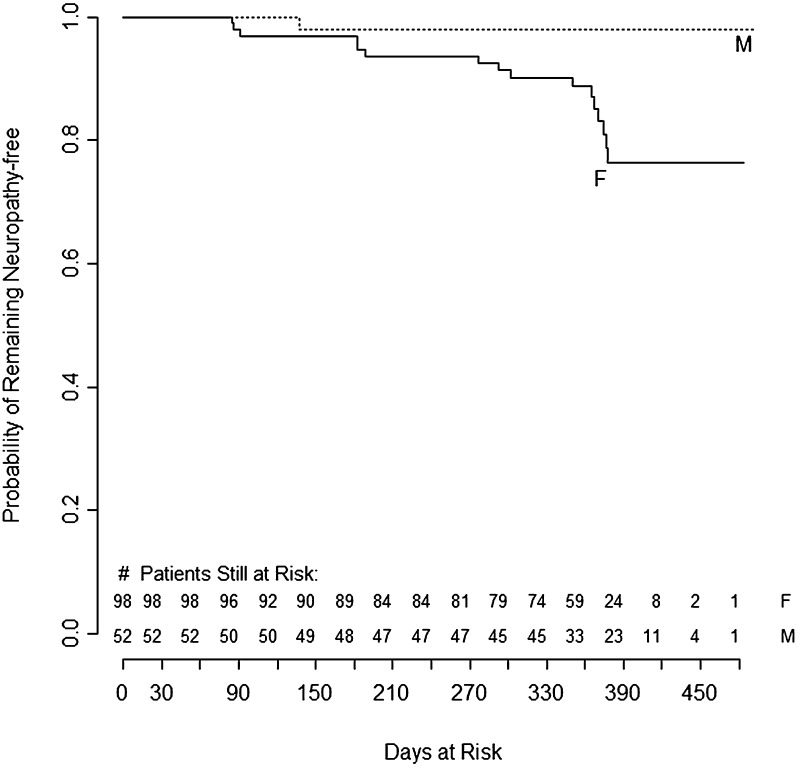
Results: Twenty-two (11%) of 199 patients had PN at baseline screening. One hundred fifty patients without evidence of PN at baseline were followed for a median of 366 days (interquartile range, 351-399). The incidence of PN was 11.9 per 100 person-years (95% confidence interval [CI], 6.9-19.1) and was higher in women than men (17.7 vs 1.9 per 100 person-years; rate ratio, 9.6; 95% CI, 1.27-72, P = .03). In stratified analyses, female sex remained statistically significant after adjustment for each of the following variables: age, CD4 cell count, body mass index, ART regimen, and tuberculosis treatment. Stratifying hemoglobin levels decreased the hazard ratio from 9.6 to 7.40 (P = .05), with higher levels corresponding to a lower risk of PN.
Conclusions: HIV-infected Kenyan women were almost 10 times more likely than men to develop PN in the first year of ART. The risk decreased slightly at higher hemoglobin levels. Preventing or treating anemia in women before ART initiation and implementing BPNS during the first year of ART, the period of highest risk, could ameliorate the risk of PN.
Figures
References
-
- Boulle A, Orrel C, Kaplan R, et al. Substitutions due to antiretroviral toxicity or contraindication in the first 3 years of antiretroviral therapy in a large South African cohort. Antivir Ther. 2007;12:753–60. - PubMed
-
- Forna F, Liechty CA, Solberg P, et al. Clinical toxicity of highly active antiretroviral therapy in a home-based AIDS care program in rural Uganda. J Acquir Immune Defic Syndr. 2007;44:456–62. - PubMed
-
- Hawkins C, Achenbach C, Fryda W, Ngare D, Murphy R. Antiretroviral durability and tolerability in HIV-infected adults living in urban Kenya. J Acquir Immune Defic Syndr. 2007;45:304–10. - PubMed
-
- Millogo A, Lankoande D, Yameogo I, Yameogo AA, Sawadogo AB. Polyneuropathies in patients treated with HAART in Bobo-Dioulasso hospital, Burkina Faso [in French] Bull Soc Pathol Exot. 2008;101:11–3. - PubMed
Publication types
MeSH terms
Substances
Grants and funding
LinkOut - more resources
Full Text Sources
Medical
Research Materials
