


Positive Emotions Speed Recovery from the Cardiovascular Sequelae of Negative Emotions
- PMID: 21852890
- PMCID: PMC3156608
- DOI: 10.1080/026999398379718
Positive Emotions Speed Recovery from the Cardiovascular Sequelae of Negative Emotions
Abstract
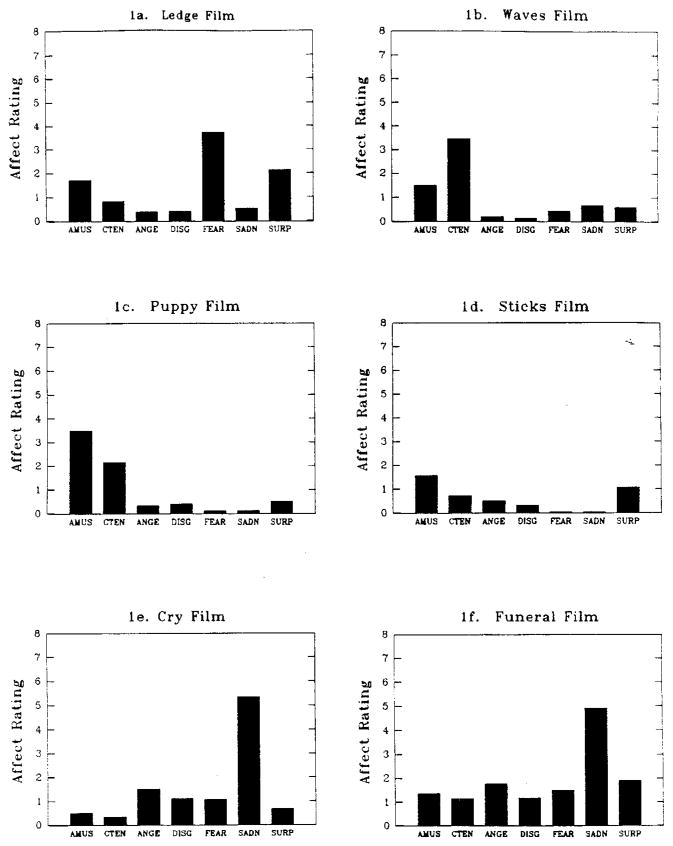
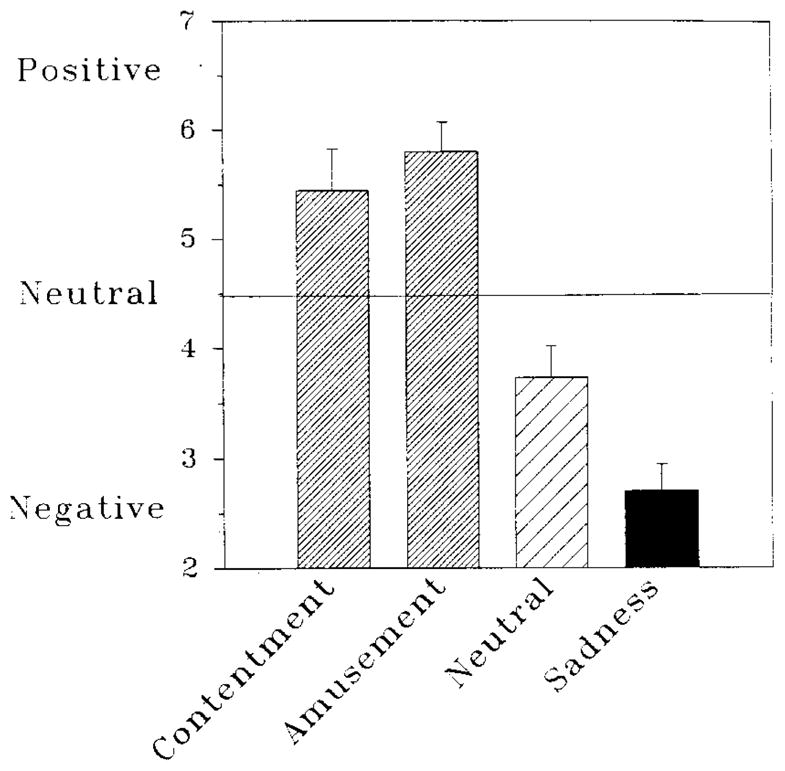
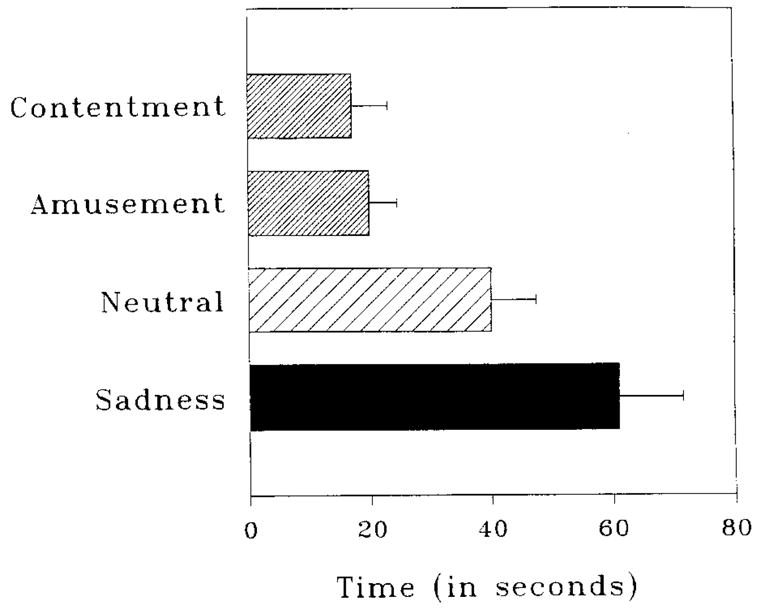
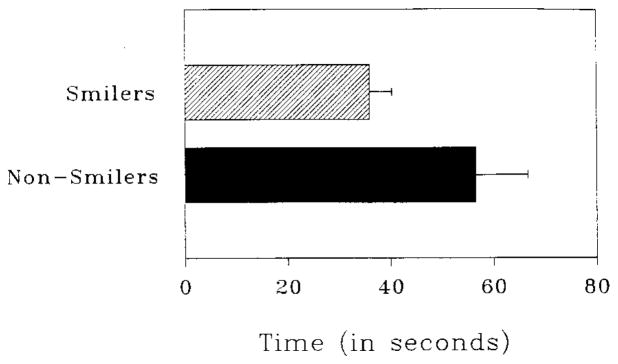
Two studies tested the hypothesis that certain positive emotions speed recovery from the cardiovascular sequelae of negative emotions. In Study 1, 60 subjects (Ss) viewed an initial fear-eliciting film, and were randomly assigned to view a secondary film that elicited: (a) contentment; (b) amusement; (c) neutrality; or (d) sadness. Compared to Ss who viewed the neutral and sad secondary films, those who viewed the positive films exhibited more rapid returns to pre-film levels of cardiovascular activation. In Study 2, 72 Ss viewed a film known to elicit sadness. Fifty Ss spontaneously smiled at least once while viewing this film. Compared to Ss who did not smile, those who smiled exhibited more rapid returns to pre-film levels of cardiovascular activation. We discuss these findings in terms of emotion theory and possible health-promoting functions of positive emotions.
Figures
References
-
- Anderson NB. Racial differences in stress-induced cardiovascular reactivity and hypertension: Current status and substantive issues. Psychological Bulletin. 1989;105:89–105. - PubMed
-
- Anderson NB, McNeilly M, Myers H. A biopsychosocial model of race differences in vascular reactivity. In: Blascovich J, Katkin ES, editors. Cardiovascular reactivity to psychological stress and disease. Washington, DC: American Psychological Association; 1993. pp. 83–108.
-
- Blascovich J, Katkin ES. Cardiovascular reactivity to psychological stress and disease. Washington, DC: American Psychological Association; 1993.
-
- Blumenthal JA. Relaxation therapy, biofeedback and behavioral medicine. Psychotherapy. 1985;22:516–530.
-
- Cabanac M. Physiologic al role of pleasure. Science. 1971;173:1103–1107. - PubMed
Grants and funding
LinkOut - more resources
Full Text Sources
Medical
