


Animal models of human mitochondrial DNA mutations
- PMID: 21854831
- PMCID: PMC3249501
- DOI: 10.1016/j.bbagen.2011.08.005
Animal models of human mitochondrial DNA mutations
Abstract
Background: Mutations in mitochondrial DNA (mtDNA) cause a variety of pathologic states in human patients. Development of animal models harboring mtDNA mutations is crucial to elucidating pathways of disease and as models for preclinical assessment of therapeutic interventions.
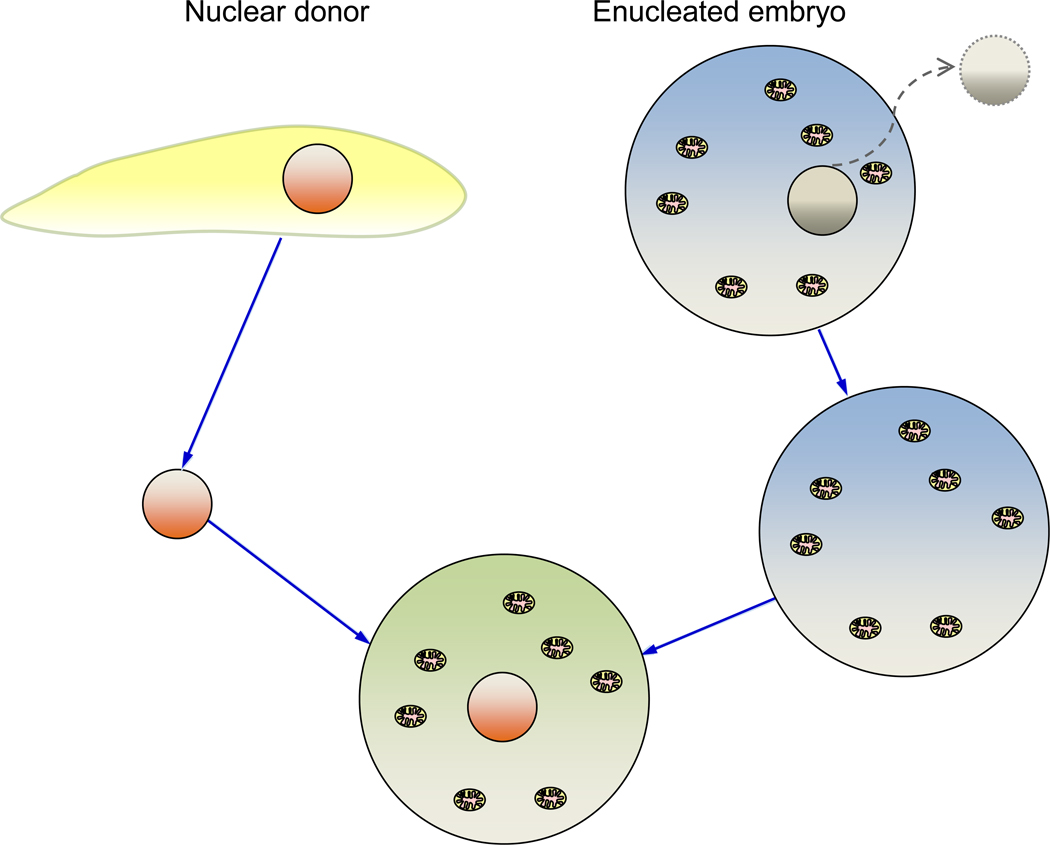
Scope of review: This review covers the knowledge gained through animal models of mtDNA mutations and the strategies used to produce them. Animals derived from spontaneous mtDNA mutations, somatic cell nuclear transfer (SCNT), nuclear translocation of mitochondrial genes followed by mitochondrial protein targeting (allotopic expression), mutations in mitochondrial DNA polymerase gamma, direct microinjection of exogenous mitochondria, and cytoplasmic hybrid (cybrid) embryonic stem cells (ES cells) containing exogenous mitochondria (transmitochondrial cells) are considered.
Major conclusions: A wide range of strategies have been developed and utilized in attempts to mimic human mtDNA mutation in animal models. Use of these animals in research studies has shed light on mechanisms of pathogenesis in mitochondrial disorders, yet methods for engineering specific mtDNA sequences are still in development.
General significance: Research animals containing mtDNA mutations are important for studies of the mechanisms of mitochondrial disease and are useful for the development of clinical therapies. This article is part of a Special Issue entitled Biochemistry of Mitochondria.
Copyright © 2011 Elsevier B.V. All rights reserved.
Figures


References
-
- Anderson S, Bankier AT, Barrell BG, de Bruijn MH, Coulson AR, Drouin J, Eperon IC, Nierlich DP, Roe BA, Sanger F, Schreier PH, Smith AJ, Staden R, Young IG. Sequence and organization of the human mitochondrial genome. Nature. 1981;290:457–465. - PubMed
-
- Fernandez-Silva P, Enriquez JA, Montoya J. Replication and transcription of mammalian mitochondrial DNA. Exp Physiol. 2003;88:41–56. - PubMed
-
- Taanman JW. The mitochondrial genome: structure, transcription, translation and replication. Biochim Biophys Acta. 1999;1410:103–123. - PubMed
-
- Hutchison CA, 3rd, Newbold JE, Potter SS, Edgell MH. Maternal inheritance of mammalian mitochondrial DNA. Nature. 1974;251:536–538. - PubMed
-
- Schwartz M, Vissing J. Paternal inheritance of mitochondrial DNA. N Engl J Med. 2002;347:576–580. - PubMed
Publication types
MeSH terms
Substances
Grants and funding
LinkOut - more resources
Full Text Sources
Medical
Research Materials
