. 2011;6(8):e23652.
doi: 10.1371/journal.pone.0023652. Epub 2011 Aug 16.

Longevity in mice is promoted by probiotic-induced suppression of colonic senescence dependent on upregulation of gut bacterial polyamine production

Affiliations

Longevity in mice is promoted by probiotic-induced suppression of colonic senescence dependent on upregulation of gut bacterial polyamine production

Mitsuharu Matsumoto et al. PLoS One. 2011.

Abstract

Background: Chronic low-grade inflammation is recognized as an important factor contributing to senescence and age-related diseases. In mammals, levels of polyamines (PAs) decrease during the ageing process; PAs are known to decrease systemic inflammation by inhibiting inflammatory cytokine synthesis in macrophages. Reductions in intestinal luminal PAs levels have been associated with intestinal barrier dysfunction. The probiotic strain Bifidobacterium animalis subsp. lactis LKM512 is known to increase intestinal luminal PA concentrations.

Methodology/principal findings: We supplemented the diet of 10-month-old Crj:CD-1 female mice with LKM512 for 11 months, while the controls received no supplementation. Survival rates were compared using Kaplan-Meier survival curves. LKM512-treated mice survived significantly longer than controls (P<0.001); moreover, skin ulcers and tumors were more common in the control mice. We then analyzed inflammatory and intestinal conditions by measuring several markers using HPLC, ELISA, reverse transcription-quantitative PCR, and histological slices. LKM512 mice showed altered 16S rRNA gene expression of several predominant intestinal bacterial groups. The fecal concentrations of PAs, but not of short-chain fatty acids, were significantly higher in LKM512-treated mice (P<0.05). Colonic mucosal function was also better in LKM512 mice, with increased mucus secretion and better maintenance of tight junctions. Changes in gene expression levels were evaluated using the NimbleGen mouse DNA microarray. LKM512 administration also downregulated the expression of ageing-associated and inflammation-associated genes and gene expression levels in 21-month-old LKM512-treated mice resembled those in 10-month-old untreated (younger) mice.

Conclusion/significance: Our study demonstrated increased longevity in mice following probiotic treatment with LKM512, possibly due to the suppression of chronic low-grade inflammation in the colon induced by higher PA levels. This indicates that ingestion of specific probiotics may be an easy approach for improving intestinal health and increasing lifespan. Further studies are required to clarify its effectiveness in humans.


Conflict of interest statement

Competing Interests: M. Matsumoto is an employee of and holds equity in Kyodo Milk Industry Co. Ltd. All of the other authors declare that they have no conflict of interest. This does not alter the authors' adherence to all the PLoS ONE policies on sharing data and materials.

Figures

Figure 1
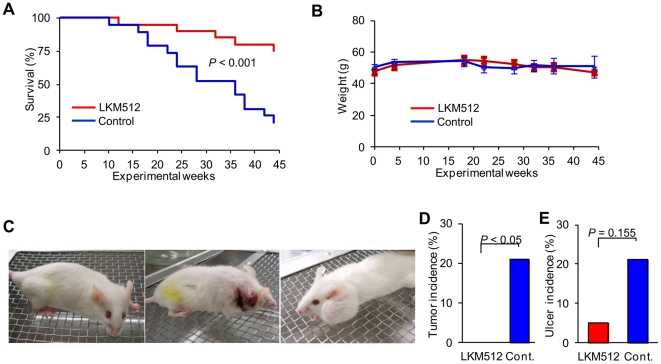
Figure 1. Impact of LKM512 on lifespan, weight, and appearance.
(A) Kaplan–Meier survival curves. (B) Weight differences between treatment groups during the study period. (C) Typical appearance of 20-month-old mice. LKM512 mice appeared healthy (left), but many control mice had skin ulcers (middle) and tumors (right). Incidence of visible tumors (D) and skin ulcer (E) in the different treatment groups.
Figure 2
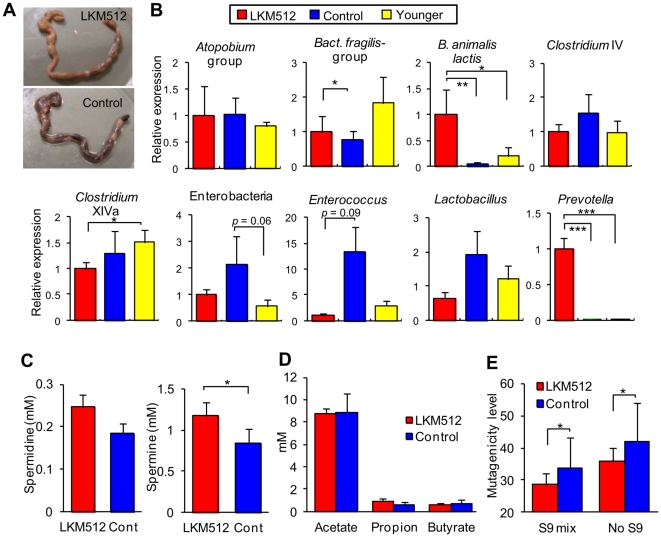
Figure 2. Influence of LKM512 administration on intestinal environment.
(A) Appearance of large intestine obtained from LKM512 (upper) and control (bottom) mice at week 45. (B) 16S rRNA gene expression in the predominant intestinal bacterial group at week 45. 16S rRNA gene expression in the bacterial group was normalized to total bacterial 16S rRNA expression. Expression in control and younger mice is shown relative to the expression in the LKM512 mice. (C) Fecal SPD (right) and SPM (left) concentrations in each group. (D) The concentration of SCFA in each group. (E) Fecal mutagenicity stimulated with S-9 mix and without S-9 mix in each group. In (B) – (E), data are represented as mean ± SEM. *P<0.05, **P<0.01, ***P<0.001.
Figure 3
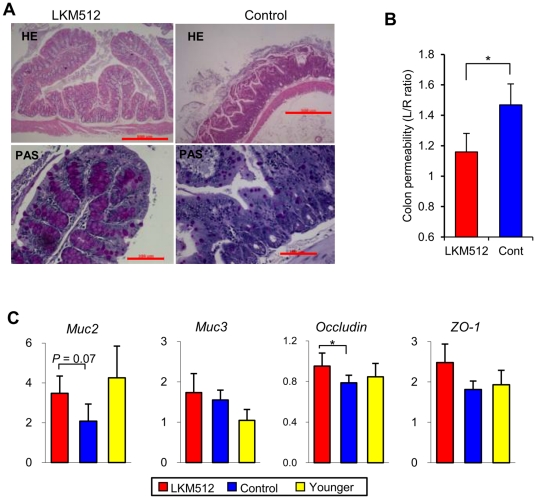
Figure 3. Influences of LKM512 administration on colonic barrier function.
(A) Histology of proximal colon samples from mice treated with LKM512 (left) or PBS (control; right). The samples shown in the upper panels are stained with HE, while those in the bottom panels are stained with PAS. [Scale bars, 500 µm (HE), 100 µm (PAS).] (B) Colon permeability at week 25, as indicated by the urinary lactulose/rhamnose ratio. (C) Colonic gene expression of Muc2, Muc3, Occludin, and ZO-1 in all treatment groups and in younger mice. Data are represented as mean ± SEM. *P<0.05.
Figure 4
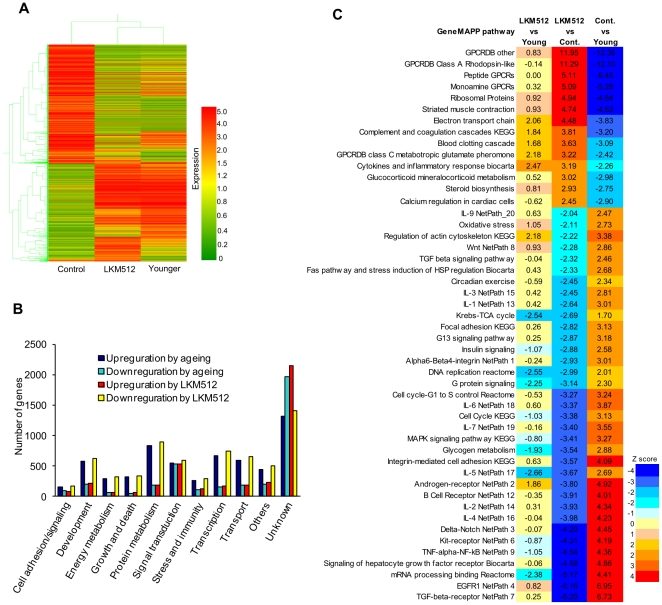
Figure 4. Microarray analysis of middle colon samples from LKM512-treated mice.
(A) Hierarchical clustering showing patterns of expression relationships among LKM512-treated, control, and younger mice. Red and green indicate up- and downregulation of gene expression, respectively. (B) The number of genes up- and downregulated during the ageing process in each of the putative functional categories on microarray analysis. (C) Comparison of pathways that were significantly upregulated (red) and downregulated (blue) by LKM512 administration and ageing.
Figure 5
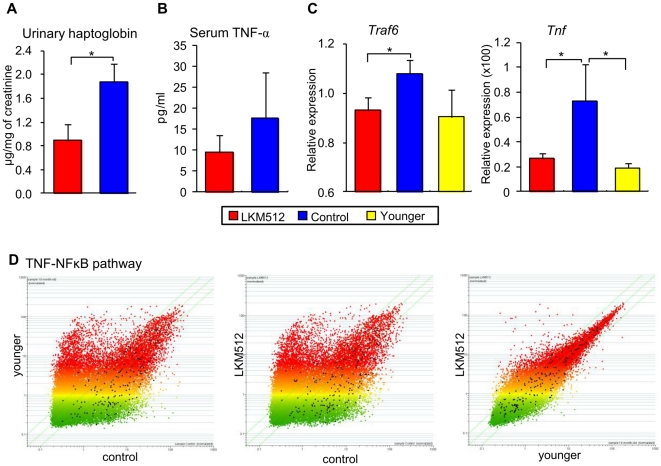
Figure 5. Influences of LKM512 and SPM administration on inflammation and oxidative stress.
(A and B) Concentrations of urinary haptoglobin (A) and serum TNF-α (B). (C) Colonic gene expression of Traf6 and Tnf. Data are expressed as the mean relative amount to mRNA of β-actin ± SEM. * P<0.05. (D) Microarray data scatter plots of the genes in the TNF-NFκB pathway. All genes (n = 25,631) are represented on scatter plots. The values for all the TNF-NFκB pathway genes represented on the array are highlighted in black. Younger (pretreatment) vs. control (left), LKM512 vs. control (middle), and LKM512 vs. younger mice (right).
Figure 6
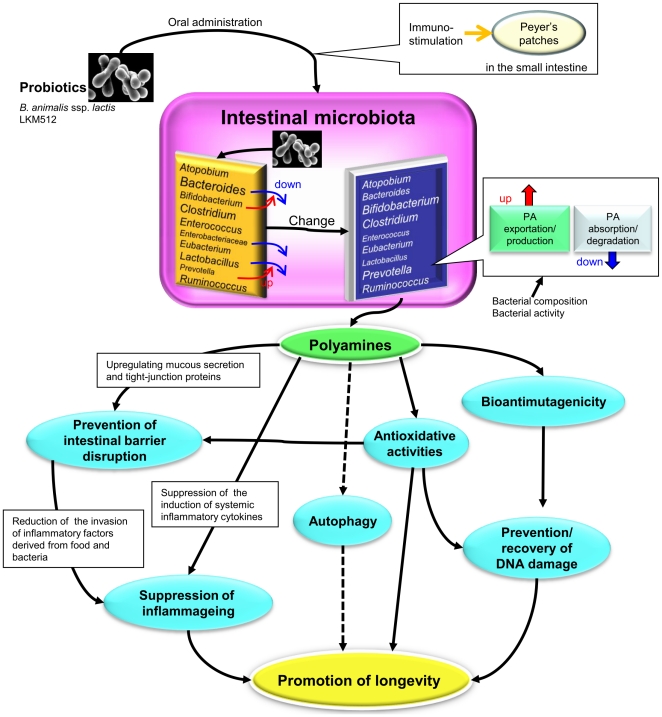
Figure 6. The hypothetical mechanism behind the increased lifespan of LKM512-treated mice (this is a modification of a part of a previous hypothesis [27]).
After LKM512 is orally administered, it colonizes the colon and alters the intestinal microbiota, which then produces PAs. The alteration in intestinal microbiota by LKM512 facilitates the activity of Prevotella spp. but suppresses the Bact. fragilis group, Enterobacteriaceae species, and Enterococcus spp. The produced PAs induces maintenance and/or recovery of intestinal barrier function by upregulating mucous secretion; additionally, because of its antioxidative properties, it helps prevent colonic barrier disruption. Maintenance of the intestinal barrier reduces the intestinal inflammatory activity of factors derived from food and bacteria. Moreover, increased levels of PAs in the intestinal lumen lead to increased PA concentration in the blood. This circulating PA suppresses the induction and/or production of systemic inflammatory cytokines. At the same time, PAs possess bioantimutagenic and antioxidative activities that prevent DNA damage. Thus, the effects of PAs suppresschronic low-grade inflammation , thereby promoting longevity. Furthermore, although data is insufficient in this study, there is a possibility that autophagy induced by PAs also promotes longevity.
Figure 7
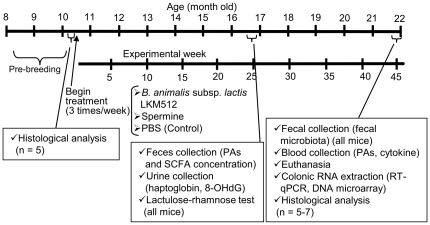
Figure 7. Experimental schedule.
Female Crj:CD-1 (ICR) retired mice were obtained when they were 8 months old.

References

    1. Metchnikoff E. Optimistic studies. London: William Heinemann; 1907. The prolongation of life.
    1. Tosato M, Zamboni V, Ferrini A, Cesari M. The aging process and potential interventions to extend life expectancy. Clin. Interv. Aging. 2007;2:401–12. - PMC - PubMed
    1. Chung HY, Cesari M, Anton S, Marzetti E, Giovannini S, et al. Molecular inflammation: underpinnings of aging and age-related diseases. Ageing Res Rev. 2009;8:18–30. - PMC - PubMed
    1. Bruunsgaard H, Pedersen BK. Age-related inflammatory cytokines and disease. Immunol. Allergy Clin. North Am. 2003;23:15–39. - PubMed
    1. Franceschi C, Capri M, Monti D, Giunta S, Olivieri F, et al. Inflammaging and anti-inflammaging: a systemic perspective on aging and longevity emerged from studies in humans. Mech Ageing Dev. 2007;128:92–105. - PubMed

Publication types

MeSH terms