


doi: 10.4161/psb.6.9.16779.
Algae as promising organisms for environment and health
Affiliations
- PMID: 21862867
- PMCID: PMC3258063
- DOI: 10.4161/psb.6.9.16779
Item in Clipboard
Algae as promising organisms for environment and health
Plant Signal Behav.
2011 Sep.
Abstract
Algae, like other plants, produce a variety of remarkable compounds collectively referred to as secondary metabolites. They are synthesized by these organisms at the end of the growth phase and/or due to metabolic alterations induced by environmental stress conditions. Carotenoids, phenolic compounds, phycobiliprotein pigments, polysaccharides and unsaturated fatty acids are same of the algal natural products, which were reported to have variable biological activities, including antioxidant activity, anticancer activity, antimicroabial activity against bacteria-virus-algae-fungi, organic fertilizer and bioremediation potentials.
Figures
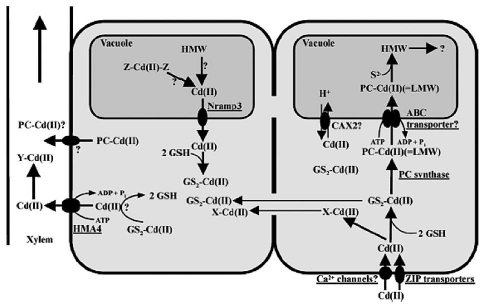
A schematic representation of processes involved in the uptake, sequestration and translocation of Cd++.
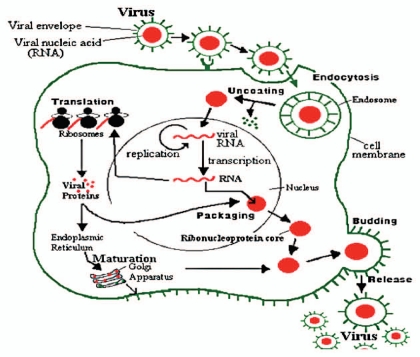
Influenza virus reproduction.
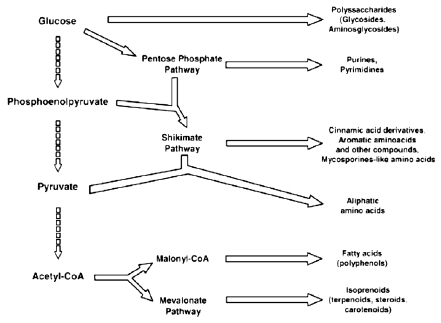
Main pathways of some secondary and primary metabolites biosynthesis.
References
-
- El-Baroty GS, Moussa MY, Shallan MA, Ali MA, Sabh AZ, Shalaby EA. Contribution to the Aroma, Biological Activities, Minerals, Protein, Pigments and Lipid Contents of the Red Alga: Asparagopsis taxiformis (Delile) Trevisan. J App Sci Res. 2007;3:1825–1834.
-
- Lee-Saung H, Lee-Yeon S, Jung-Sang H, Kang-Sam S, Shin-Kuk H. Antioxidant activities of fucosterol from the marine algae Pelvetia siliquosa. Arch Pharm Res. 2003;26:719–722. - PubMed
-
- Shalaby EA, Shanab SMM, Singh V. Salt stress enhancement of antioxidant and antiviral efficiency of Spirulina platensis. J Med Plants Res. 2010;4:2622–2632.
-
- Shalaby EAA. MSc. Thesis. Department of Biochemistry, Faculty of Agriculture, Cairo University; 2004. Chemical and biological studies on Spirulina species.
-
- Shalaby EAA. Ph.D. Thesis. Department of Biochemistry, Faculty of Agriculture, Cairo University; 2008. Biochemical and Biotechnological studies on some marine algae.
MeSH terms
Substances
LinkOut - more resources
Full Text Sources
