


Ancient Chinese medicine and mechanistic evidence of acupuncture physiology
- PMID: 21870056
- PMCID: PMC3192271
- DOI: 10.1007/s00424-011-1017-3
Ancient Chinese medicine and mechanistic evidence of acupuncture physiology
Abstract
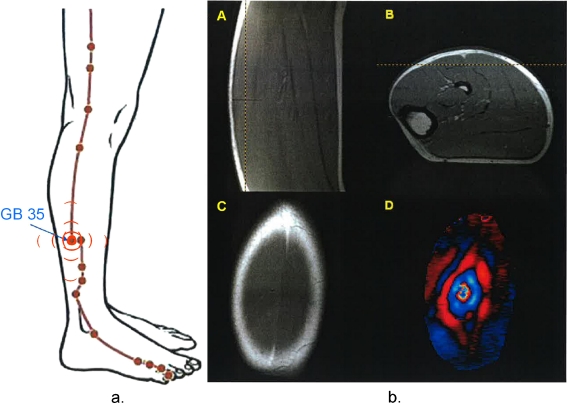
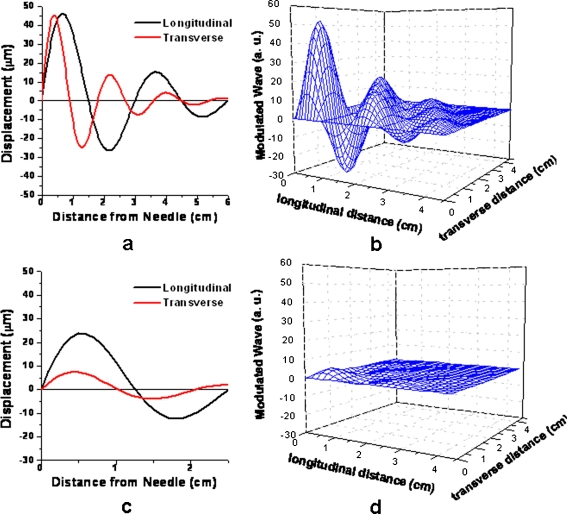
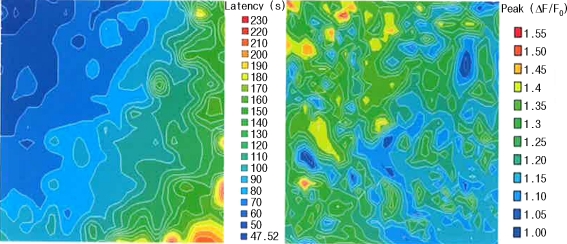
Acupuncture has been widely used in China for three millennia as an art of healing. Yet, its physiology is not yet understood. The current interest in acupuncture started in 1971. Soon afterward, extensive research led to the concept of neural signaling with possible involvement of opioid peptides, glutamate, adenosine and identifying responsive parts in the central nervous system. In the last decade scientists began investigating the subject with anatomical and molecular imaging. It was found that mechanical movements of the needle, ignored in the past, appear to be central to the method and intracellular calcium ions may play a pivotal role. In this review, we trace the technique of clinical treatment from the first written record about 2,200 years ago to the modern time. The ancient texts have been used to introduce the concepts of yin, yang, qi, de qi, and meridians, the traditional foundation of acupuncture. We explore the sequence of the physiological process, from the turning of the needle, the mechanical wave activation of calcium ion channel to beta-endorphin secretion. By using modern terminology to re-interpret the ancient texts, we have found that the 2nd century B.C.: physiologists were meticulous investigators and their explanation fits well with the mechanistic model derived from magnetic resonance imaging (MRI) and confocal microscopy. In conclusion, the ancient model appears to have withstood the test of time surprisingly well confirming the popular axiom that the old wine is better than the new.
Figures
References
Publication types
MeSH terms
Substances
LinkOut - more resources
Full Text Sources
Miscellaneous
