


The cognitive cost of sleep lost
- PMID: 21875679
- PMCID: PMC3614362
- DOI: 10.1016/j.nlm.2011.07.004
The cognitive cost of sleep lost
Abstract
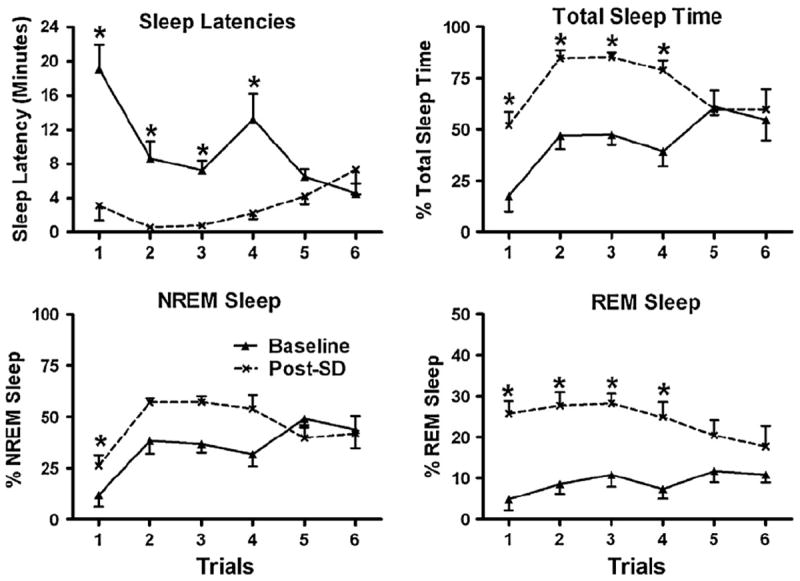
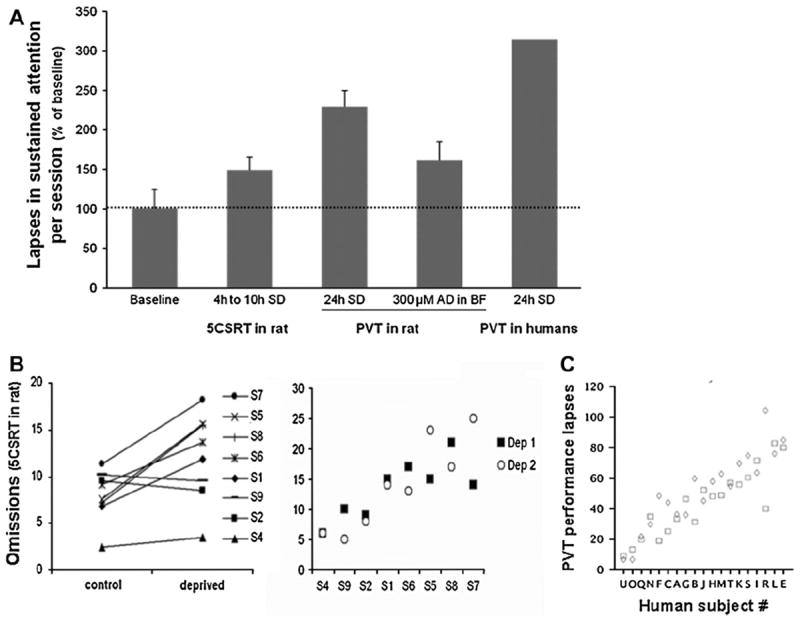
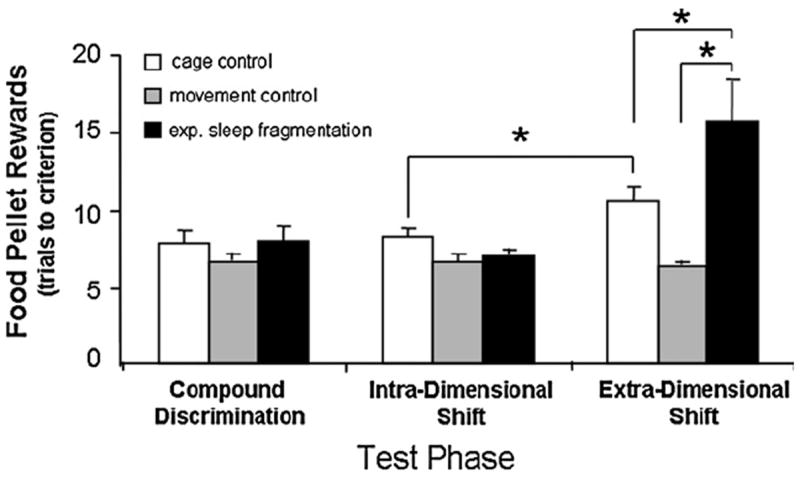
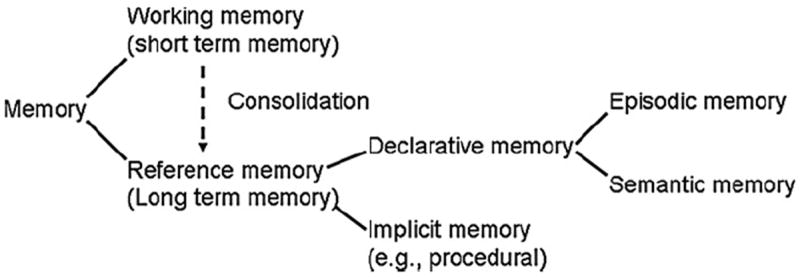
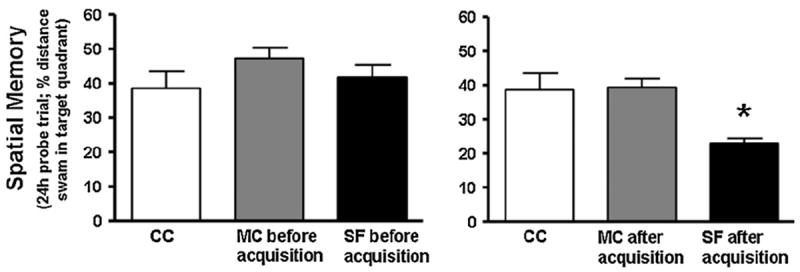
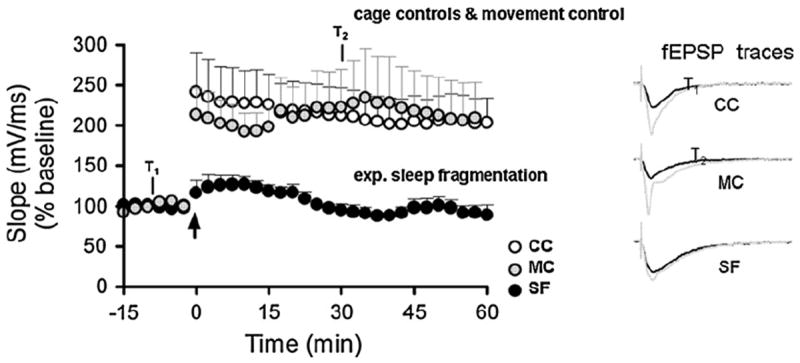
A substantial body of literature supports the intuitive notion that a good night's sleep can facilitate human cognitive performance the next day. Deficits in attention, learning & memory, emotional reactivity, and higher-order cognitive processes, such as executive function and decision making, have all been documented following sleep disruption in humans. Thus, whilst numerous clinical and experimental studies link human sleep disturbance to cognitive deficits, attempts to develop valid and reliable rodent models of these phenomena are fewer, and relatively more recent. This review focuses primarily on the cognitive impairments produced by sleep disruption in rodent models of several human patterns of sleep loss/sleep disturbance. Though not an exclusive list, this review will focus on four specific types of sleep disturbance: total sleep deprivation, experimental sleep fragmentation, selective REM sleep deprivation, and chronic sleep restriction. The use of rodent models can provide greater opportunities to understand the neurobiological changes underlying sleep loss induced cognitive impairments. Thus, this review concludes with a description of recent neurobiological findings concerning the neuroplastic changes and putative brain mechanisms that may underlie the cognitive deficits produced by sleep disturbances.
Published by Elsevier Inc.
Conflict of interest statement
There are no conflicts of interest to disclose for any of the authors related to this work.
Figures
References
-
- Albert I, Cicala GA, Siegel J. The behavioral effects of REM sleep deprivation in rats. Psychophysiology. 1970;6:550–560. - PubMed
-
- Ambrogini P, Cuppini R, Cuppini C, Ciaroni S, Cecchini T, Ferri P, et al. Spatial learning affects immature granule cell survival in adult rat dentate gyrus. Neuroscience Letters. 2000;286:21–24. - PubMed
-
- Ambrosini MV, Giuditta A. Learning and sleep: The sequential hypothesis. Sleep Medicine Reviews. 2001;5:477–490. - PubMed
-
- Ambrosini MV, Langella M, Carnevale UA, Giuditta A. The sequential hypothesis III: The structure of postacquisitional sleep in learning and non-learning rats. Physiology & Behavior. 1992;51:217–226. - PubMed
Publication types
MeSH terms
Grants and funding
LinkOut - more resources
Full Text Sources
Medical
