Emerging fungal infections in immunocompromised patients
- PMID: 21876720
- PMCID: PMC3155160
- DOI: 10.3410/M3-14
Emerging fungal infections in immunocompromised patients
Abstract
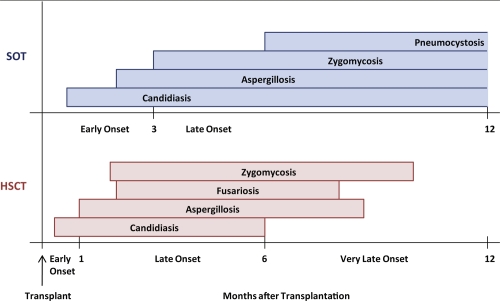
Invasive fungal infections are infections of importance and are increasing in incidence in immunocompromised hosts such as patients who have had hematopoietic stem cell and solid organ transplants. Despite our expanded antifungal armamentarium, these infections cause considerable morbidity and mortality. Indeed, certain trends have emerged in these invasive fungal infections: a rise in the incidence of invasive mold infections, an increase in the non-albicans strains of Candida spp. causing invasive disease and, finally, the emergence of less susceptible fungal strains that are resistant to the broader-spectrum antifungal agents due to overutilization of these agents. Clinicians must recognize the patient groups that are potentially at risk for these invasive fungal infections, as well as the risk factors for such infections. By using more sensitive nonculture-based diagnostic techniques, appropriate therapy may be initiated earlier to enhance survival in these immunocompromised patient populations.
Figures
References
-
- U.S. Department of Health and Human Services--Organ Procurement and Transplantation Network (OPTN)
LinkOut - more resources
Full Text Sources
Miscellaneous