


Case Reports
doi: 10.1007/s12105-011-0288-5.
Epub 2011 Aug 30.
Palate hyperpigmentation caused by prolonged use of the anti-malarial chloroquine
Affiliations
- PMID: 21877232
- PMCID: PMC3311937
- DOI: 10.1007/s12105-011-0288-5
Item in Clipboard
Case Reports
Palate hyperpigmentation caused by prolonged use of the anti-malarial chloroquine
Head Neck Pathol.
2012 Mar.
Abstract
The side-effects of many drugs manifest in the oral mucosa. The anti-malarial agent chloroquine diphosphate, which is also used to treat immunological, dermatological, and rheumatological disorders, usually causes pigmentary changes in the oral mucosa. This report presents a case of palate pigmentation related to the prolonged use of chloroquine diphosphate caused by the deposition of drug metabolites in the mucosa. Healthcare professionals must be aware of these drugs and their adverse effects in order to make the correct diagnosis, decide on the optimal treatment for the condition, or refer the patient to an appropriate specialist.
Figures
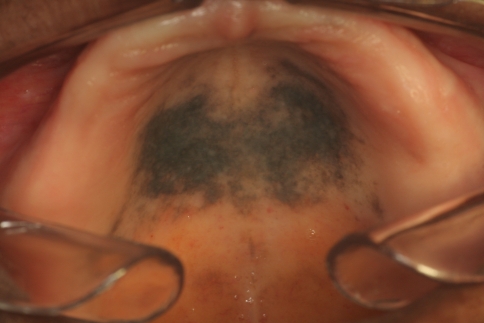
Intraoral examination revealed a large 4 cm area of black to gray pigmentation with irregular borders involving the hard palate
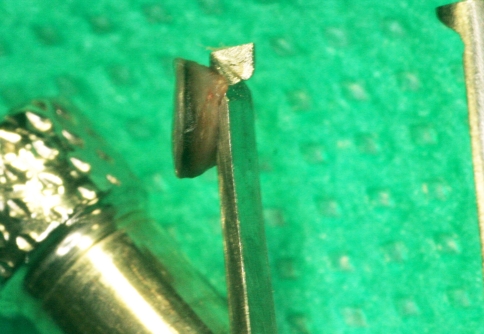
Gross photograph of the tissue removed from the hard palate by incisional biopsy for histopathologic analysis showing marked discoloration
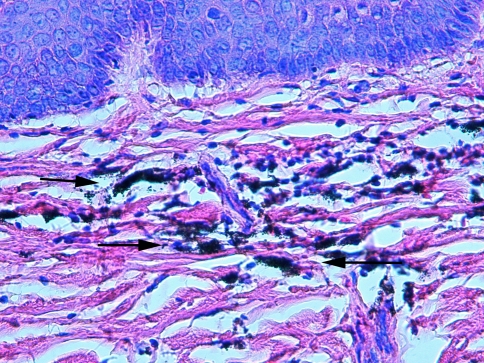
The basophilic granules are chloroquine metabolites deposited in the mucosal tissue of the hard palate (arrows) (hematoxylin-eosin, ×400)
References
Publication types
MeSH terms
Substances
LinkOut - more resources
Full Text Sources
