


A randomized phase 2 trial of a preparative regimen of bortezomib, high-dose melphalan, arsenic trioxide, and ascorbic acid
- PMID: 21887685
- PMCID: PMC4015116
- DOI: 10.1002/cncr.26517
A randomized phase 2 trial of a preparative regimen of bortezomib, high-dose melphalan, arsenic trioxide, and ascorbic acid
Abstract
Background: Bortezomib is active for newly diagnosed and relapsed multiple myeloma, and it has synergistic activity with melphalan. The authors of this report conducted a randomized trial to determine the safety and efficacy of adding bortezomib to a preparative regimen of arsenic trioxide (ATO), ascorbic acid (AA), and melphalan.
Methods: Among 60 patients who enrolled between October 2006 and September 2007, 58 patients underwent autologous transplantation with a preparative regimen of melphalan 200 mg/m(2) intravenously, AA 1000 mg daily intravenously for 7 days, and ATO 0.25 mg/kg intravenously for 7 days. Patients were randomized to receive no bortezomib (Group 1), bortezomib 1 mg/m(2) × 3 doses (Group 2), and bortezomib 1.5 mg/m(2) × 3 doses (Group 3). Primary endpoints were complete response (CR), grade IV toxicity, and 90-day treatment-related mortality (TRM). Secondary endpoints were progression-free survival (PFS) and overall survival (OS).
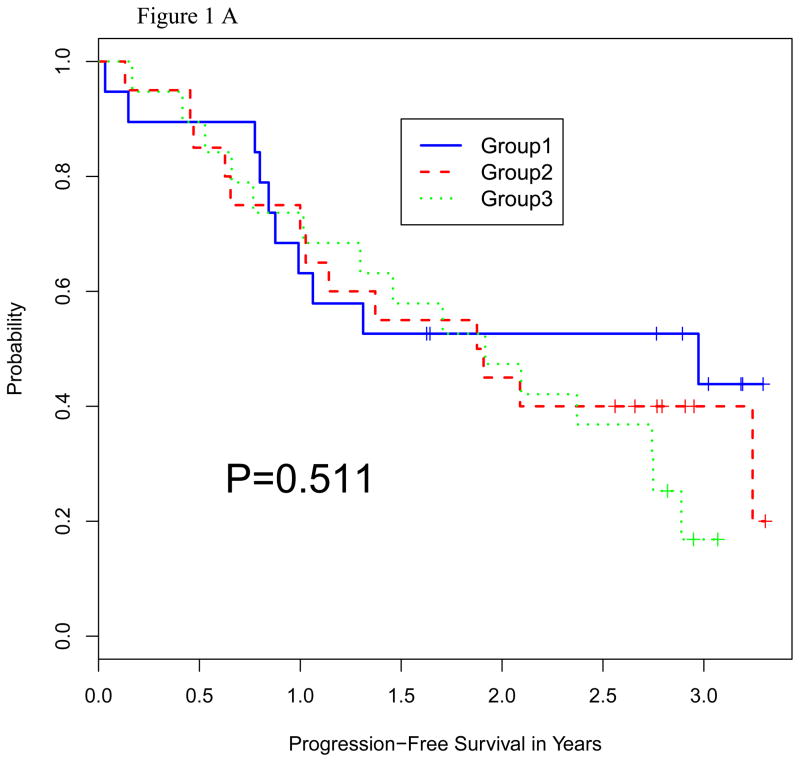
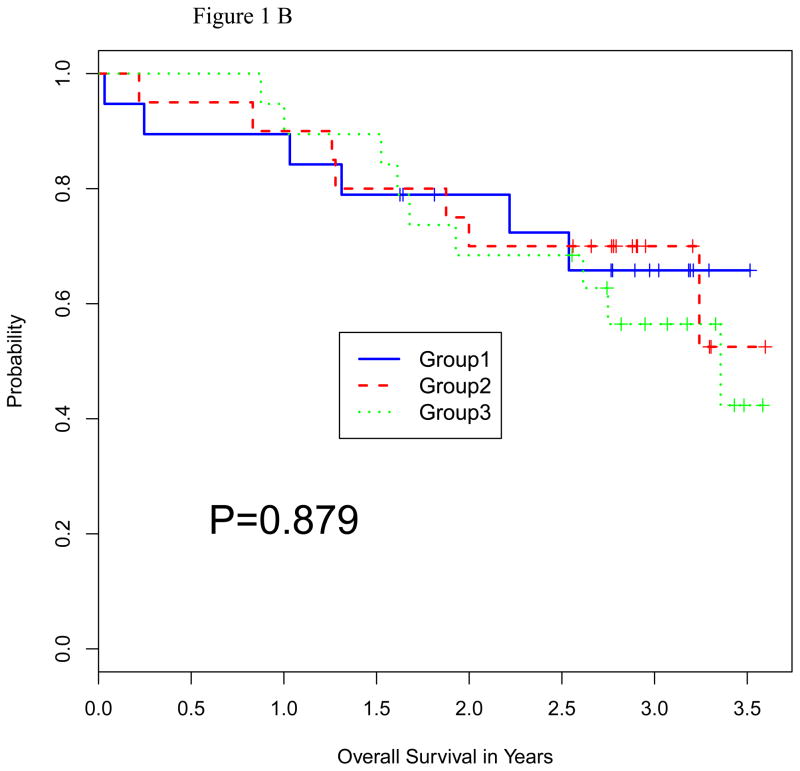
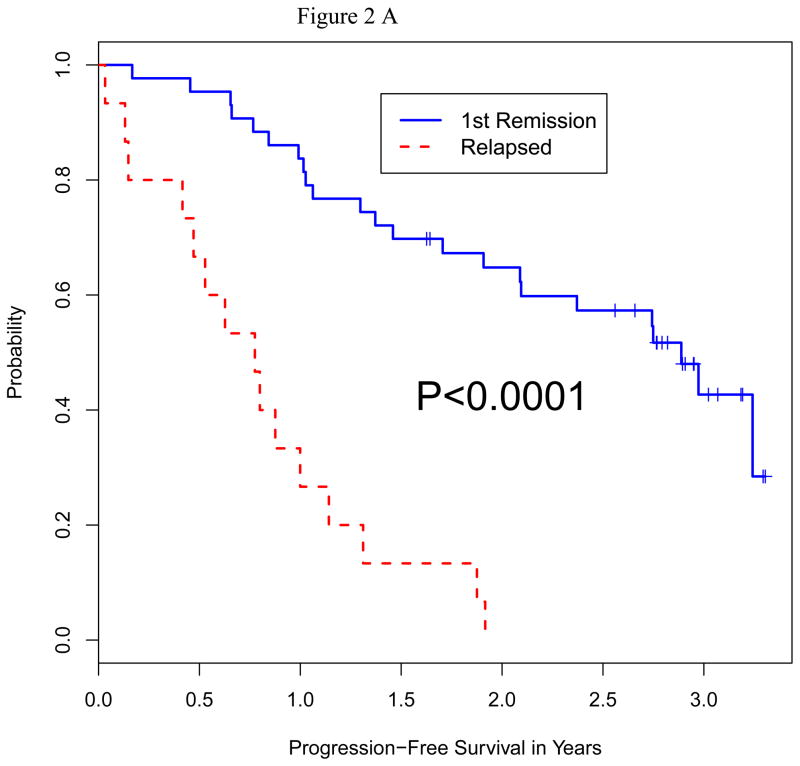
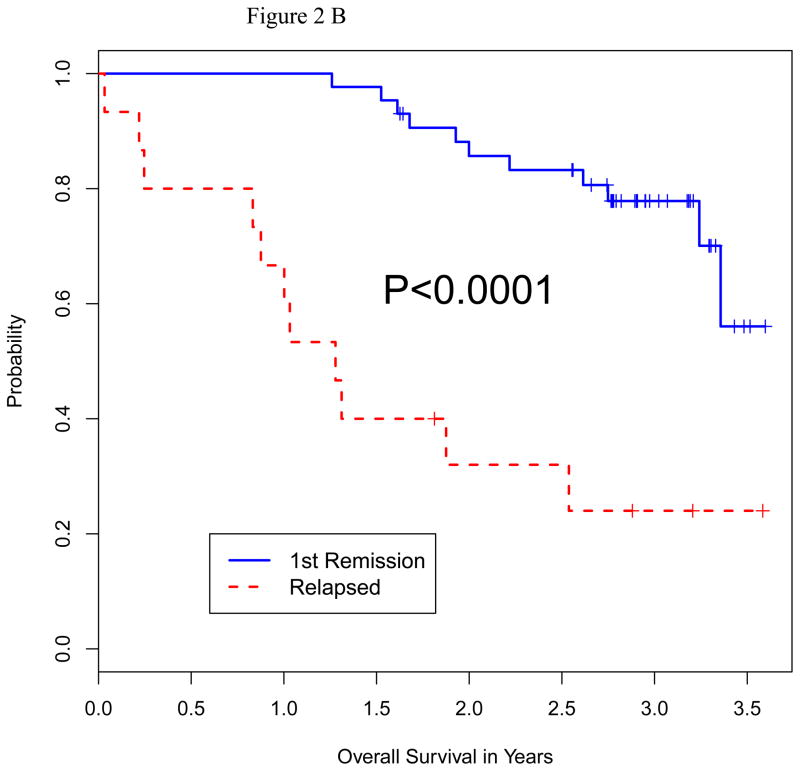
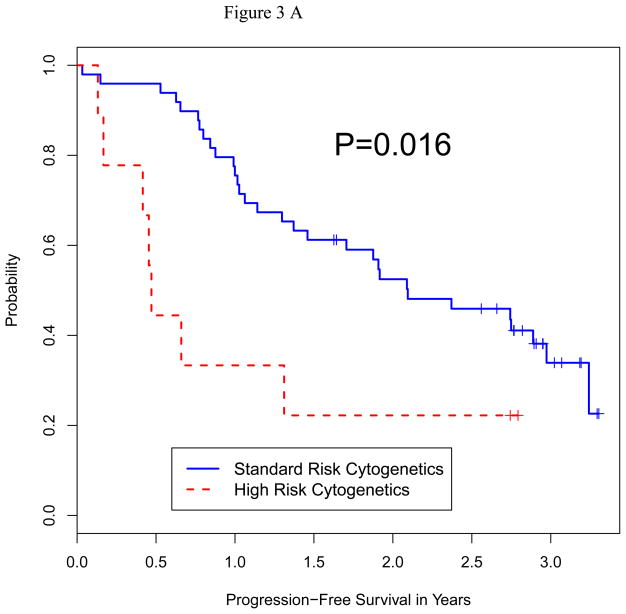
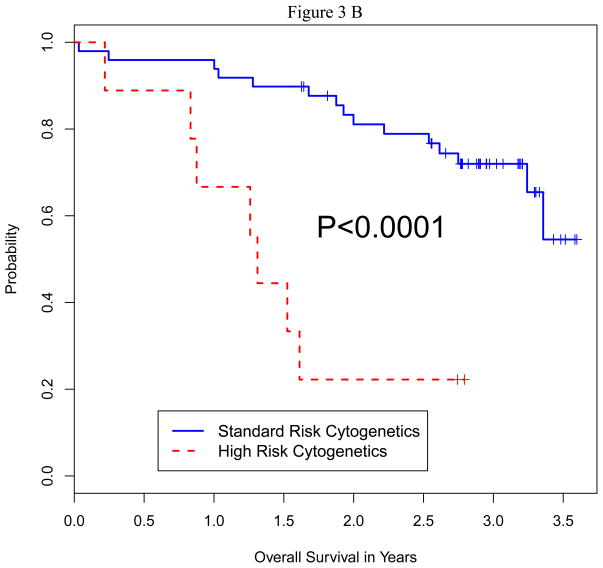
Results: The median follow-up of all surviving patients was 36 months (range, 20-43 months). The CR rates in Groups 1, 2, and 3 were 20%, 10%, and 10%, respectively. Grade 3 and 4 nonhematologic toxicities and TRM were comparable. The median OS was not reached in the groups, whereas the median PFS in Groups 1, 2, and 3 was 17.8 months, 17.4 months, and 20.7 months, respectively. PFS and OS were significantly shorter in patients who had high-risk cytogenetics (P = .016 and P = .0001, respectively) and relapsed disease (P = .0001 and P = .0001, respectively) regardless of the treatment group.
Conclusions: Adding bortezomib to a preparative regimen of ATO, AA, and high-dose melphalan was safe and well tolerated in patients with multiple myeloma. There was no significant improvement in the CR rate, PFS, or OS in the bortezomib groups.
Copyright © 2011 American Cancer Society.
Figures
References
-
- Kyle RA, Rajkumar SV. Multiple myeloma. N Engl J Med. 2004;351(18):1860–73. Available from http://www.ncbi.nlm.nih.gov/entrez/query.fcgi?cmd=Retrieve&db=PubMed&dop.... - PubMed
-
- Kyle RA, Rajkumar SV. Treatment of multiple myeloma: a comprehensive review. Clin Lymphoma Myeloma. 2009;9(4):278–88. Available from http://www.ncbi.nlm.nih.gov/entrez/query.fcgi?cmd=Retrieve&db=PubMed&dop.... - PMC - PubMed
-
- Attal M, Harousseau JL, Stoppa AM, Sotto JJ, Fuzibet JG, Rossi JF, et al. A prospective, randomized trial of autologous bone marrow transplantation and chemotherapy in multiple myeloma. Intergroupe Francais du Myelome. N Engl J Med. 1996;335(2):91–7. Available from http://www.ncbi.nlm.nih.gov/entrez/query.fcgi?cmd=Retrieve&db=PubMed&dop.... - PubMed
-
- Child JA, Morgan GJ, Davies FE, Owen RG, Bell SE, Hawkins K, et al. High-dose chemotherapy with hematopoietic stem-cell rescue for multiple myeloma. N Engl J Med. 2003;348(19):1875–83. Available from http://www.ncbi.nlm.nih.gov/entrez/query.fcgi?cmd=Retrieve&db=PubMed&dop.... - PubMed
-
- Kazmi SM, Saliba RM, Donato M, Wang M, Hosing C, Qureshi S, et al. Phase II trial of high-dose topotecan, melphalan and CY with autologous stem cell support for multiple myeloma. Bone Marrow Transplant. 46(4):510–5. Available from http://www.ncbi.nlm.nih.gov/entrez/query.fcgi?cmd=Retrieve&db=PubMed&dop.... - PMC - PubMed
Publication types
MeSH terms
Substances
Grants and funding
LinkOut - more resources
Full Text Sources
Medical
