


Influence of obesity and metabolic dysfunction on the endothelial control in the coronary circulation
- PMID: 21889942
- PMCID: PMC3237910
- DOI: 10.1016/j.yjmcc.2011.08.018
Influence of obesity and metabolic dysfunction on the endothelial control in the coronary circulation
Abstract
Diseases of the coronary circulation remain the leading cause of death in Western society despite impressive advances in diagnosis, pharmacotherapy and post-event management. Part of this statistic likely stems from a parallel increase in the prevalence of obesity and metabolic dysfunction, both significant risk factors for coronary disease. Obesity and diabetes pose unique challenges for the heart and their impact on the coronary vasculature remains incompletely understood. The vascular endothelium is a major interface between arterial function and the physical and chemical components of blood flow. Proper function of the endothelium is necessary to preserve hemostasis, maintain vascular tone and limit the extent of vascular diseases such as atherosclerosis. Given its central role in vascular health, endothelial dysfunction has been the source of considerable research interest in diabetes and obesity. In the current review, we will examine the pathologic impact of obesity and diabetes on coronary function and the extent to which these two factors impact endothelial function. This article is part of a Special Issue entitled "Coronary Blood Flow".
Copyright © 2011 Elsevier Ltd. All rights reserved.
Conflict of interest statement
Disclosures: I hereby confirm that any and all potential conflicts of interest have been fully and properly disclosed in the manuscript as outlined.
Figures
References
-
- Poirier P, et al. Obesity and cardiovascular disease: pathophysiology, evaluation, and effect of weight loss: an update of the 1997 American Heart Association Scientific Statement on Obesity and Heart Disease from the Obesity Committee of the Council on Nutrition, Physical Activity, and Metabolism. Circulation. 2006;113(6):898–918. - PubMed
-
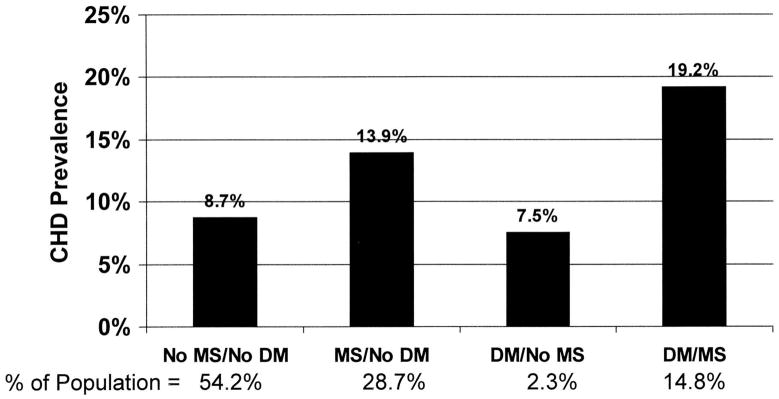
- Alexander CM, et al. NCEP-defined metabolic syndrome, diabetes, and prevalence of coronary heart disease among NHANES III participants age 50 years and older. Diabetes. 2003;52(5):1210–4. - PubMed
-
- Kardassis D, et al. Impact of body composition, fat distribution and sustained weight loss on cardiac function in obesity. Int J Cardiol - PubMed
-
- Frohlich ED, Susic D. Mechanisms underlying obesity associated with systemic and renal hemodynamics in essential hypertension. Curr Hypertens Rep. 2008;10(2):151–5. - PubMed
-
- Alvarez GE, et al. Sympathetic neural activation in visceral obesity. Circulation. 2002;106(20):2533–6. - PubMed
Publication types
MeSH terms
Substances
Grants and funding
LinkOut - more resources
Full Text Sources
Medical
