


Hemodynamic parameters to guide fluid therapy
- PMID: 21906322
- PMCID: PMC3159904
- DOI: 10.1186/2110-5820-1-1
Hemodynamic parameters to guide fluid therapy
Abstract
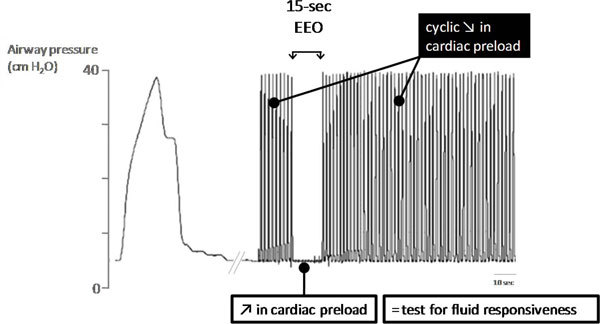
The clinical determination of the intravascular volume can be extremely difficult in critically ill and injured patients as well as those undergoing major surgery. This is problematic because fluid loading is considered the first step in the resuscitation of hemodynamically unstable patients. Yet, multiple studies have demonstrated that only approximately 50% of hemodynamically unstable patients in the intensive care unit and operating room respond to a fluid challenge. Whereas under-resuscitation results in inadequate organ perfusion, accumulating data suggest that over-resuscitation increases the morbidity and mortality of critically ill patients. Cardiac filling pressures, including the central venous pressure and pulmonary artery occlusion pressure, have been traditionally used to guide fluid management. However, studies performed during the past 30 years have demonstrated that cardiac filling pressures are unable to predict fluid responsiveness. During the past decade, a number of dynamic tests of volume responsiveness have been reported. These tests dynamically monitor the change in stroke volume after a maneuver that increases or decreases venous return (preload) and challenges the patients' Frank-Starling curve. These dynamic tests use the change in stroke volume during mechanical ventilation or after a passive leg raising maneuver to assess fluid responsiveness. The stroke volume is measured continuously and in real-time by minimally invasive or noninvasive technologies, including Doppler methods, pulse contour analysis, and bioreactance.
Figures



References
-
- Levy MM, Macias WL, Russell JA, Williams MD, Trzaskoma BL, Silva E, Vincent JL. Failure to improve during the first day of therapy is predictive of 28-day mortality in severe sepsis. Chest. 2004;124(Suppl):120 S.
-
- Rosenberg AL, Dechert RE, Park PK, Bartlett RH. Review of a large clinical series: association of cumulative fluid balance on outcome in acute lung injury: a retrospective review of the ARDSnet tidal volume study cohort. J Intensive Care Med. 2009;24:35–46. doi: 10.1177/0885066608329850. - DOI - PubMed
LinkOut - more resources
Full Text Sources
Other Literature Sources
Medical
Miscellaneous
