


Hypoxic Ischemic Encephalopathy: Pathophysiology and Experimental Treatments
- PMID: 21927583
- PMCID: PMC3171747
- DOI: 10.1053/j.nainr.2011.07.004
Hypoxic Ischemic Encephalopathy: Pathophysiology and Experimental Treatments
Abstract
Hypoxic ischemic encephalopathy (HIE) is a serious birth complication affecting full term infants: 40-60% of affected infants die by 2 years of age or have severe disabilities. The majority of the underlying pathologic events of HIE are a result of impaired cerebral blood flow and oxygen delivery to the brain with resulting primary and secondary energy failure. In the past, treatment options were limited to supportive medical therapy. Currently, several experimental treatments are being explored in neonates and animal models to ameliorate the effects of secondary energy failure. This review discusses the underlying pathophysiologic effects of a hypoxic-ischemic event and experimental treatment modalities being explored to manage infants with HIE. Further research is needed to better understand if the long-term impact of the experimental treatments and whether the combinations of experimental treatments can improve outcomes in infants with HIE.
Figures
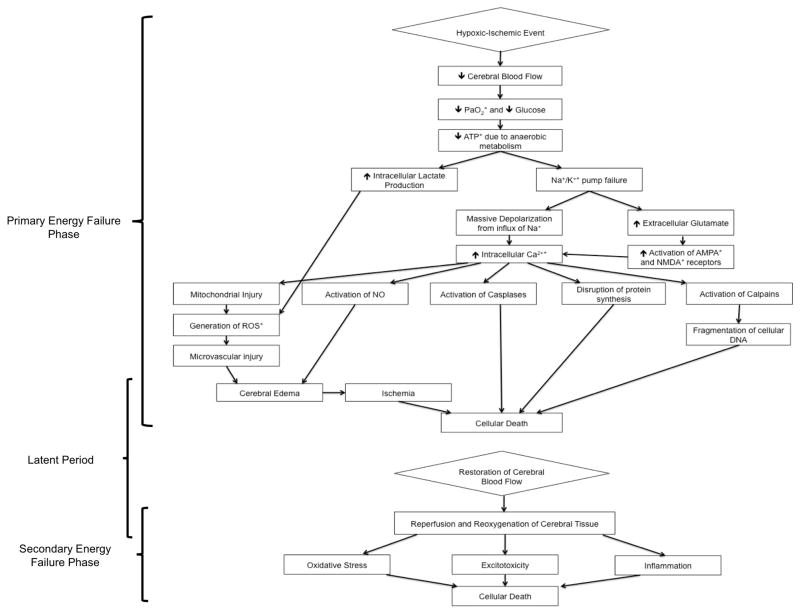
 = increased;
 = decreased; PaO2 = arterial oxygen; Na+ = sodium; K+ = potassium; ATP = adenosine triphosphate; Ca2+ = calcium; NMDA = N-methyl-D-aspartate; AMPA = ∝-amino-3-hydroxy-5-methyl-4-isoxazoleproprionic acid; ROS = reactive oxygen species; NO = nitric oxide; DNA = deoxyribonucleic acid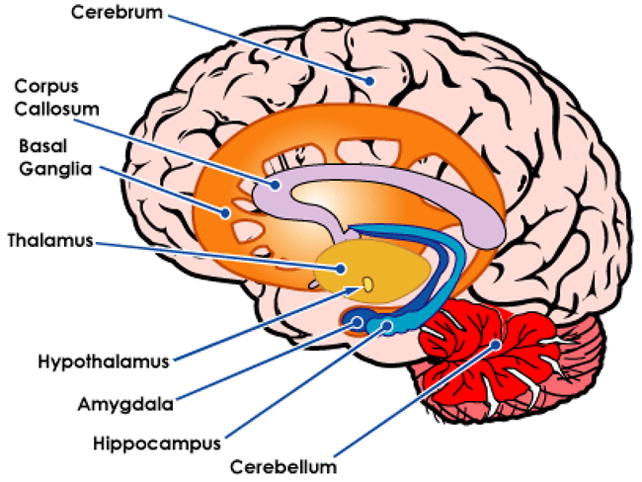
References
-
- Schiariti V, Klassen AF, Hoube JS, et al. Perinatal characteristics and parents' perspective of health status of NICU graduates born at term. J Perinatol. 2008;28:368–376. - PubMed
-
- Graham EM, Ruis KA, Hartman AL, et al. A systematic review of the role of intrapartum hypoxia-ischemia in the causation of neonatal encephalopathy. Am J Obstet Gynecol. 2008;199:587–595. - PubMed
-
- Kurinczuk JJ, White-Koning M, Badawi N. Epidemiology of neonatal encephalopathy and hypoxic-ischaemic encephalopathy. Early Hum Dev. 2010;86:329–338. - PubMed
-
- Long M, Brandon DH. Induced hypothermia for neonates with hypoxic-ischemic encephalopathy. Journal of Obstetrics Gynecology Neonatal Nursing. 2007;36:293–298. - PubMed
Grants and funding
LinkOut - more resources
Full Text Sources
Other Literature Sources
Miscellaneous