


Optimization of cardiac metabolism in heart failure
- PMID: 21933140
- PMCID: PMC3271354
- DOI: 10.2174/138161211798357773
Optimization of cardiac metabolism in heart failure
Abstract
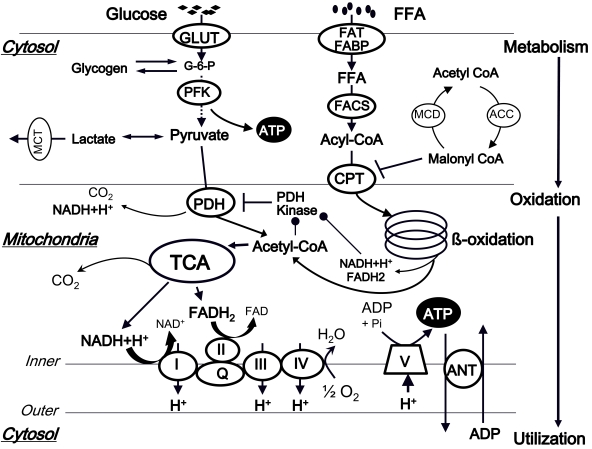
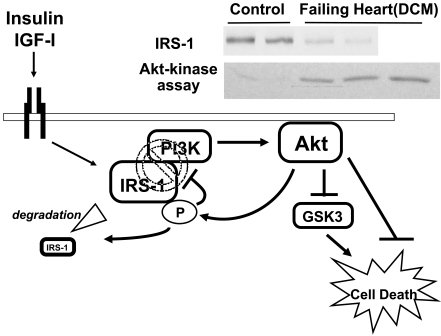
The derangement of the cardiac energy substrate metabolism plays a key role in the pathogenesis of heart failure. The utilization of non-carbohydrate substrates, such as fatty acids, is the predominant metabolic pathway in the normal heart, because this provides the highest energy yield per molecule of substrate metabolized. In contrast, glucose becomes an important preferential substrate for metabolism and ATP generation under specific pathological conditions, because it can provide greater efficiency in producing high energy products per oxygen consumed compared to fatty acids. Manipulations that shift energy substrate utilization away from fatty acids toward glucose can improve the cardiac function and slow the progression of heart failure. However, insulin resistance, which is highly prevalent in the heart failure population, impedes this adaptive metabolic shift. Therefore, the acceleration of the glucose metabolism, along with the restoration of insulin sensitivity, would be the ideal metabolic therapy for heart failure. This review discusses the therapeutic potential of modifying substrate utilization to optimize cardiac metabolism in heart failure.
Figures
References
-
- Stanley WC, Recchia FA, Lopaschuk GD. Myocardial substrate metabolism in the normal and failing heart. Physiol Rev. 2005;85:1093–129. - PubMed
-
- Depre C, Vanoverschelde JL, Taegtmeyer H. Glucose for the heart. Circulation. 1999;99:578–588. - PubMed
-
- Rosano GM, Fini M, Caminiti G, Barbaro G. Cardiac metabolism in myocardial ischemia. Curr Pharm Des. 2008;14:2551–62. - PubMed
-
- Mochizuki S, Neely JR. Control of glyceraldehyde-3-phosphate dehydrogenase in cardiac muscle. J Mol Cell Cardiol. 1979;11:221–36. - PubMed
Publication types
MeSH terms
Substances
LinkOut - more resources
Full Text Sources
Other Literature Sources
Medical