. 2011;6(9):e24792.
doi: 10.1371/journal.pone.0024792. Epub 2011 Sep 15.

Cellular model of Warburg effect identifies tumor promoting function of UCP2 in breast cancer and its suppression by genipin

Affiliations

Cellular model of Warburg effect identifies tumor promoting function of UCP2 in breast cancer and its suppression by genipin

Vanniarajan Ayyasamy et al. PLoS One. 2011.

Abstract

The Warburg Effect is characterized by an irreversible injury to mitochondrial oxidative phosphorylation (OXPHOS) and an increased rate of aerobic glycolysis. In this study, we utilized a breast epithelial cell line lacking mitochondrial DNA (rho(0)) that exhibits the Warburg Effect associated with breast cancer. We developed a MitoExpress array for rapid analysis of all known nuclear genes encoding the mitochondrial proteome. The gene-expression pattern was compared among a normal breast epithelial cell line, its rho(0) derivative, breast cancer cell lines and primary breast tumors. Among several genes, our study revealed that over-expression of mitochondrial uncoupling protein UCP2 in rho(0) breast epithelial cells reflects gene expression changes in breast cancer cell lines and in primary breast tumors. Furthermore, over-expression of UCP2 was also found in leukemia, ovarian, bladder, esophagus, testicular, colorectal, kidney, pancreatic, lung and prostate tumors. Ectopic expression of UCP2 in MCF7 breast cancer cells led to a decreased mitochondrial membrane potential and increased tumorigenic properties as measured by cell migration, in vitro invasion and anchorage independent growth. Consistent with in vitro studies, we demonstrate that UCP2 over-expression leads to development of tumors in vivo in an orthotopic model of breast cancer. Genipin, a plant derived small molecule, suppressed the UCP2 led tumorigenic properties, which were mediated by decreased reactive oxygen species and down-regulation of UCP2. However, UCP1, 3, 4 and 5 gene expression was unaffected. UCP2 transcription was controlled by SMAD4. Together, these studies suggest a tumor-promoting function of UCP2 in breast cancer. In summary, our studies demonstrate that i) the Warburg Effect is mediated by UCP2; ii) UCP2 is over-expressed in breast and many other cancers; iii) UCP2 promotes tumorigenic properties in vitro and in vivo and iv) genipin suppresses the tumor promoting function of UCP2.


Conflict of interest statement

Competing Interests: The authors have declared that no competing interests exist.

Figures

Figure 1
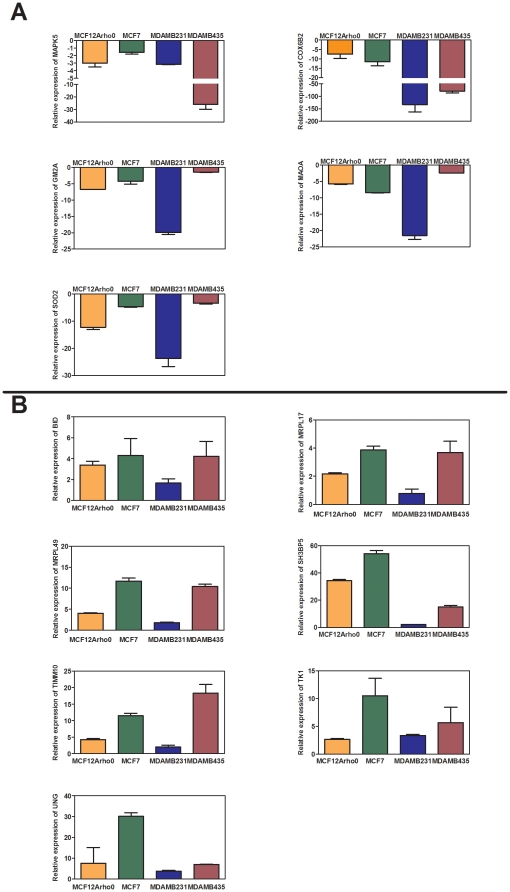
Figure 1. Changes in gene expression due to OXPHOS defect in breast epithelial cell line.
(A) Down-and (B) up-regulated genes in rho0 and breast cancer cell lines. MitoExpress chip data was validated by quantitative real time PCR (RT-PCR). Fold changes were calculated relative to the parental MCF12A rho+ using beta actin as control.
Figure 2
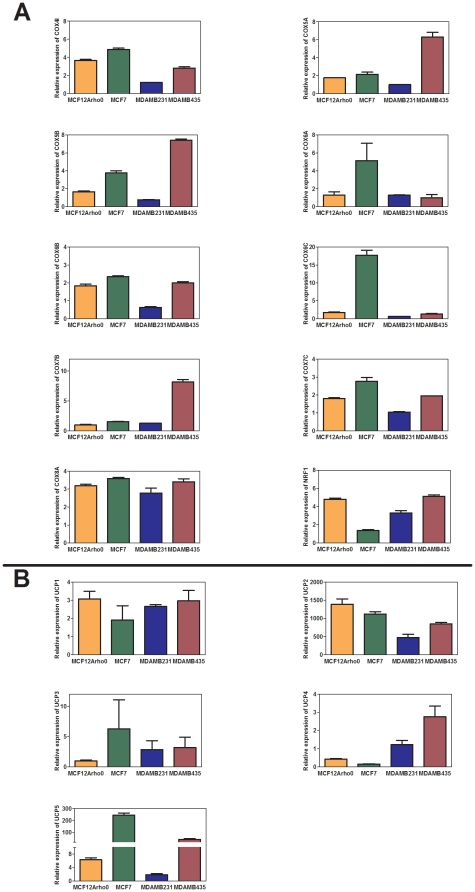
Figure 2. Gene expression profile of COX and UCP family members.
Expression profile of (A) COX family members, and (B) UCP family members in rho0 and breast cancer cell lines relative to the parental MCF12A rho+.
Figure 3
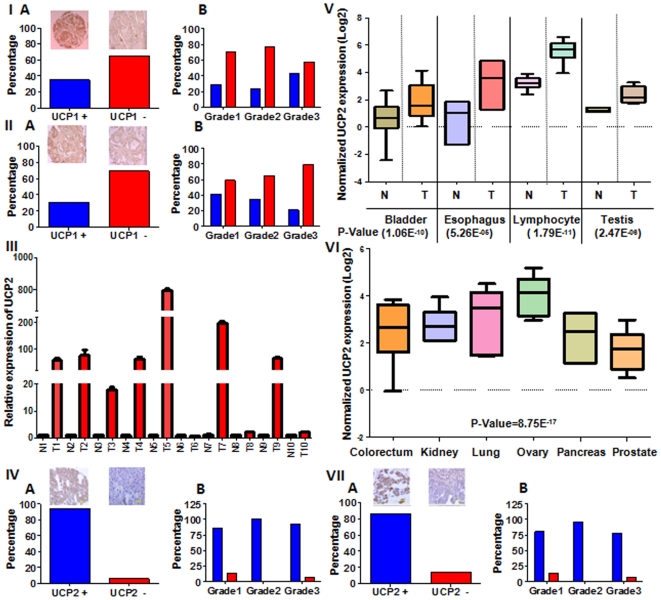
Figure 3. Expression of UCP family members in primary tumors.
(I-A) UCP1 expression in breast tumors. (I-B) UCP1 expression in relation to breast tumor grade. (II-A) UCP1 over-expression in ovarian tumors. (II-B) UCP1 expression in relation to ovarian tumor grade. (III) UCP2 expression at RNA level in matched normal and primary breast tumors. (IV-A) UCP2 expression at protein level in breast-tumors. (IV-B) UCP2 expression in relation to breast tumor grade. (V) Oncomine data showing UCP2 expression in normal (N) Vs tumor (T) of bladder, esophagus, lymphocyte, testis. The p-value is given in brackets underneath each tumor type. (VI) Oncomine data showing UCP2 over-expression in colorectal, kidney, lung, pancreatic, prostate and ovarian tumors. (VII-A) Validation of UCP2 over-expression in primary ovarian tumors. (VII-B) Lack of correlation between UCP2 expression and ovarian tumor grade.
Figure 4
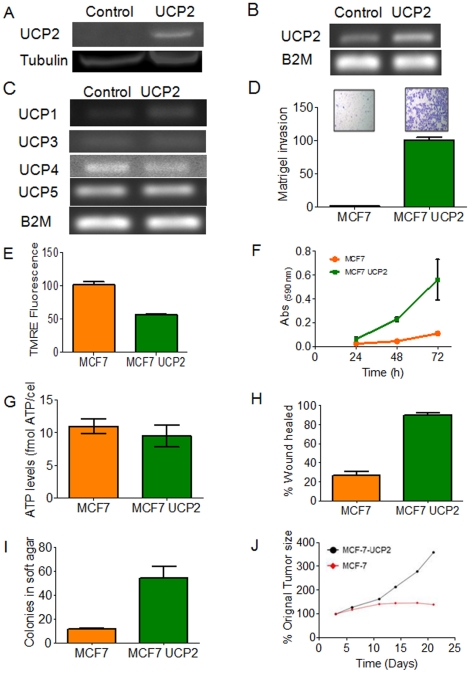
Figure 4. UCP2-induced tumor promoting properties in vitro and tumor growth in vivo.
(A) Western blot analysis showing the over-expression of UCP2 at protein level. (B) RT-PCR showing over-expression of the UCP2 at transcript level. (C) RT-PCR showing expression of UCP family members in the UCP2 over-expressing cells. (D) TMRE fluorescence of the UCP2 over-expressing cells (E) ATP production in the UCP2 over-expressing cells. (F) Proliferation of UCP2 over-expressing cells. (G) Wound healing in the UCP2 over-expressing cells. (H) Matrigel invasion of the UCP2 over-expressing cells. (I) Soft agar assay of the UCP2 over-expressing cells. (J) Growth of MCF-7 parental and MCF-7-UCP2 orthotopic xenografts in athymic nude mice. MCF-7 parental or MCF-7-UCP2 over-expressing cells were injected into the mammary fat pad two days after subcutaneous implantation of 17β-estradiol pellets. Tumor size averaged 36 mm2 at 3 days post-tumor cell injection in each group. N = 10 mice/group.
Figure 5
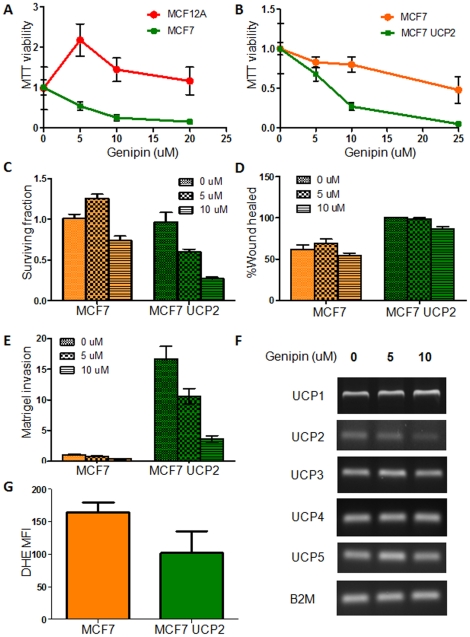
Figure 5. Genipin suppression of tumor promoting properties of UCP2.
(A) MTT reduction of MCF12A and MCF7 cells after 48 h of genipin treatment. (B) MTT reduction after 48 h of genipin treatment demonstrating the increased sensitivity to genipin treatment of UCP2 over-expressing cells. (C) Clonogenic survival of UCP2 over-expressing cells treated with different concentration of genipin. (D) Wound healing assay with different concentration of genipin in the UCP2 over-expressing cells. (E) Matrigel invasion of MCF7 cells with different concentration of genipin in the UCP2 over-expressing cells. (F) UCPs expression after the genipin treatment in UCP2 over-expressing cells. (G) DHE oxidation of the MCF7 cells treated with genipin (10 uM) for 1 h.
Figure 6
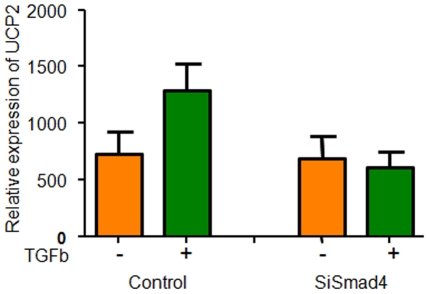
Figure 6. SMAD4 regulation of UCP2 gene expression.
UCP2 is down-regulated by silencing Smad4 in the presence of TGFβ (see text for further detail).

References

    1. Burger G, Gray MW, Lang BF. Mitochondrial genomes: anything goes. Trends Genet. 2003;19:709–716. - PubMed
    1. Taylor SW, Fahy E, Zhang B, Glenn GM, Warnock DE, et al. Characterization of the human heart mitochondrial proteome. Nat Biotechnol. 2003;21:281–286. - PubMed
    1. Smiraglia DJ, Kulawiec M, Bistulfi GL, Gupta SG, Singh KK. A novel role for mitochondria in regulating epigenetic modification in the nucleus. Cancer Biol Ther. 2008;7:1182–1190. - PMC - PubMed
    1. Yousefi S, Gold JA, Andina N, Lee JJ, Kelly AM, et al. Catapult-like release of mitochondrial DNA by eosinophils contributes to antibacterial defense. Nat Med. 2008;14:949–953. - PubMed
    1. Gottlieb E, Tomlinson IP. Mitochondrial tumour suppressors: a genetic and biochemical update. Nat Rev Cancer. 2005;5:857–866. - PubMed

Publication types

MeSH terms