


H3K9 histone acetylation predicts pluripotency and reprogramming capacity of ES cells
- PMID: 21941115
- PMCID: PMC3260568
- DOI: 10.4161/nucl.2.4.16767
H3K9 histone acetylation predicts pluripotency and reprogramming capacity of ES cells
Abstract
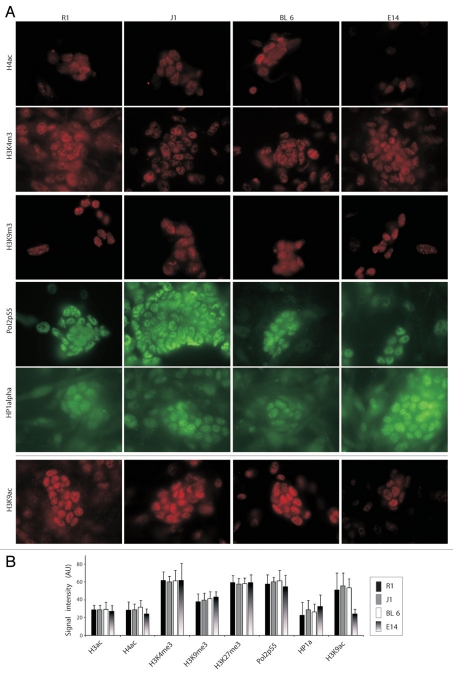
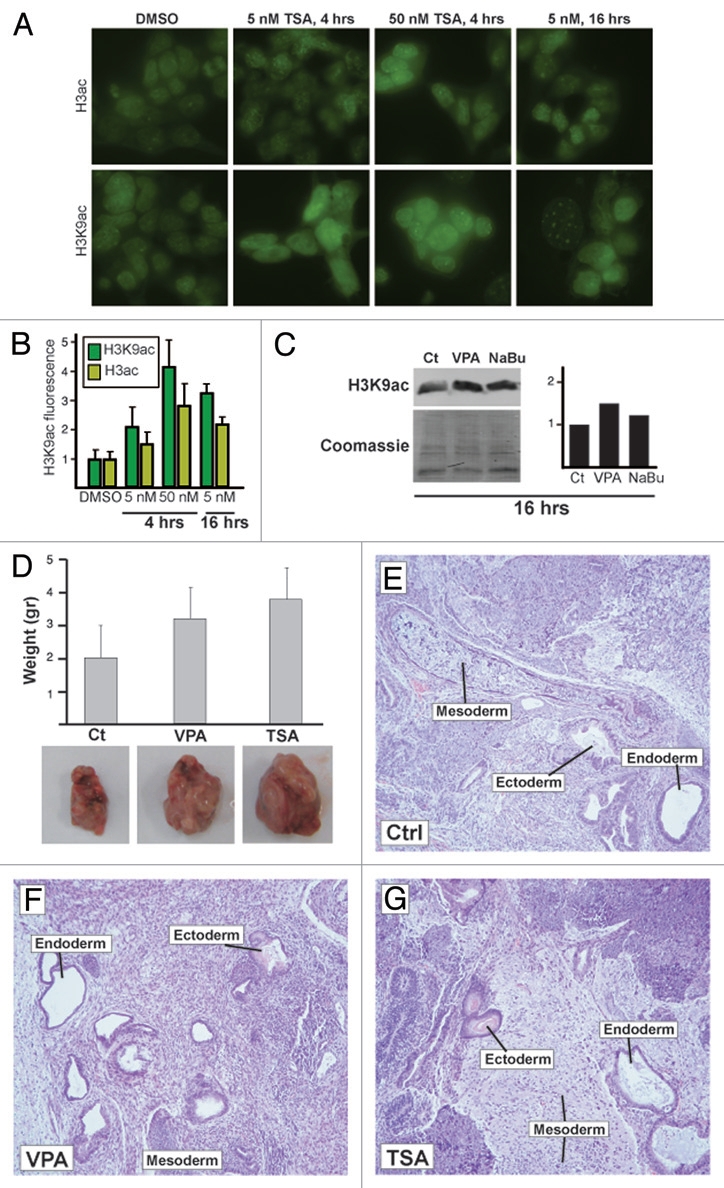
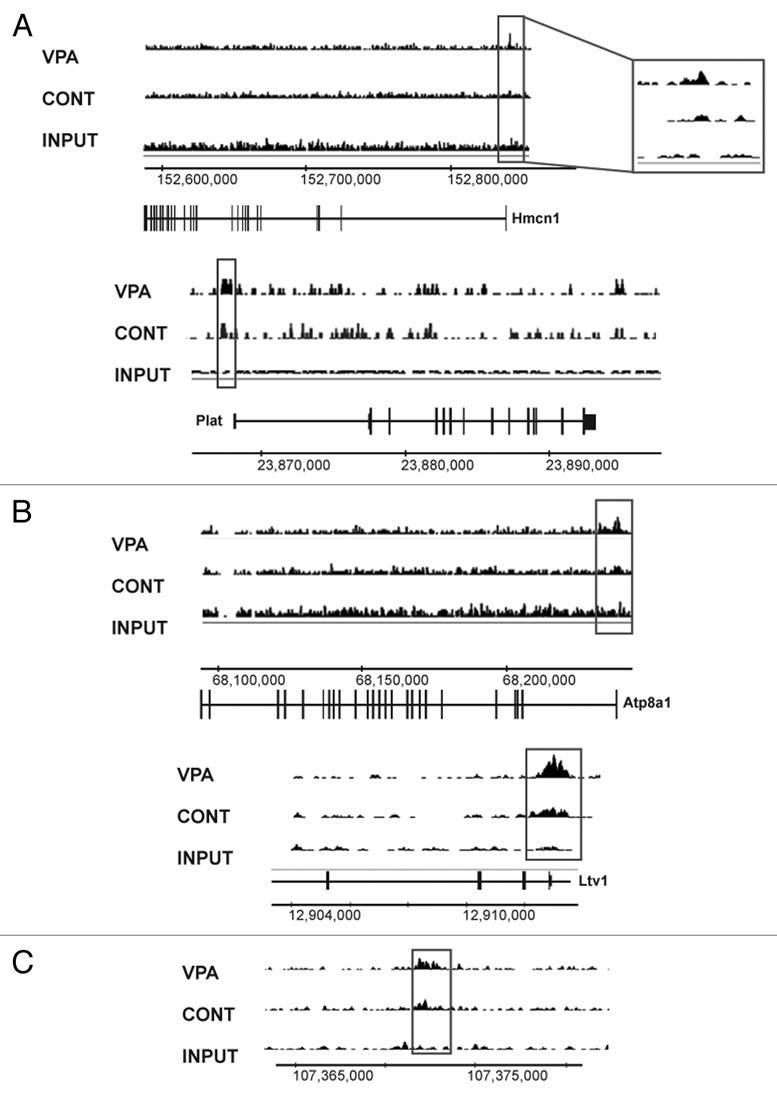
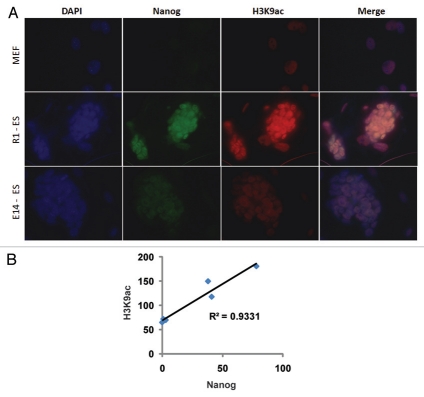
The pluripotent genome is characterized by unique epigenetic features and a decondensed chromatin conformation. However, the relationship between epigenetic regulation and pluripotency is not altogether clear. Here, using an enhanced MEF/ESC fusion protocol, we compared the reprogramming potency and histone modifications of different embryonic stem cell (ESC) lines (R1, J1, E14, C57BL/6) and found that E14 ESCs are significantly less potent, with significantly reduced H3K9ac levels. Treatment of E14 ESCs with histone deacetylase (HDAC) inhibitors (HDACi) increased H3K9ac levels and restored their reprogramming capacity. Microarray and H3K9ac ChIP-seq analyses, suggested increased extracellular matrix (ECM) activity following HDACi treatment in E14 ESCs. These data suggest that H3K9ac may predict pluripotency and that increasing pluripotency by HDAC inhibition acts through H3K9ac to enhance the activity of target genes involved in ECM production to support pluripotency.
Figures
References
-
- Han DW, Do JT, Gentile L, Stehling M, Lee HT, Scholer HR. Pluripotential reprogramming of the somatic genome in hybrid cells occurs with the first cell cycle. Stem Cells. 2008;26:445–454. - PubMed
-
- Westphal H. Restoring stemness. Differentiation. 2005;73:447–451. - PubMed
-
- Gurdon JB, Elsdale TR, Fischberg M. Sexually mature individuals of Xenopus laevis from the transplantation of single somatic nuclei. Nature. 1958;182:64–65. - PubMed
-
- Wilmut I, Schnieke AE, McWhir J, Kind AJ, Campbell KH. Viable offspring derived from fetal and adult mammalian cells. Nature. 1997;385:810–813. - PubMed
Publication types
MeSH terms
Substances
Associated data
- Actions
- Actions
Grants and funding
LinkOut - more resources
Full Text Sources
Molecular Biology Databases
