


Obesity, metabolic dysregulation and oxidative stress in asthma
- PMID: 21944975
- PMCID: PMC3786599
- DOI: 10.1016/j.bbagen.2011.09.004
Obesity, metabolic dysregulation and oxidative stress in asthma
Abstract
Background: Epidemiological data demonstrate an increased risk of developing incident asthma with increasing adiposity. While the vast majority of studies support the interaction between obesity and asthma, the causality is unclear.
Scope of review: This article will review the current literature supporting the presence of an obese asthma phenotype and the possible mechanisms mediating the effects of obesity on asthma.
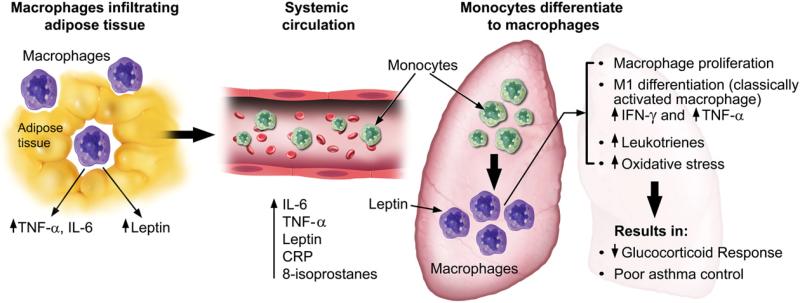
Major conclusions: Obesity is associated with poor asthma control, altered responsiveness to medications and increased morbidity. Obesity is characterized by systemic inflammation that may result in increased airway inflammation. However, this assertion is not supported by current studies that demonstrate a lack of significant airway inflammation in obese asthmatics. In spite this observation one must consider limitations of these studies including the fact that most subjects were treated with inhaled corticosteroids that would likely alter inflammation in the lung. Thus, it remains unclear if obesity is associated with alterations in inflammation in the airways of subjects with asthma. Hormones such as leptin and adiponectin are affected by obesity and may play a role in mediating innate immune responses and allergic responses, respectively. The role of oxidative stress remains controversial and the current evidence suggests that while oxidative stress is important in asthma, it does not fully explain the characteristics associated with this unique phenotype.
General significance: Obesity related asthma is associated with increased morbidity and differential response to asthma therapies. Understanding the mechanisms mediating this phenotype would have significant implications for millions of people suffering with asthma. This article is part of a Special Issue entitled Biochemistry of Asthma.
2011. Published by Elsevier B.V.
Figures
References
-
- CDC Obesity trends in the United States
-
- N. NIH Obesity Education Initiative, Clinical Guidelines on the Identification, Evaluation, and Treatment of Overweight and Obesity in Adults. 1998:98–4083. - PubMed
-
- Bibi H, et al. The relationship between asthma and obesity in children: is it real or a case of over diagnosis? J. Asthma. 2004;41(4):403–410. - PubMed
Publication types
MeSH terms
Substances
Grants and funding
LinkOut - more resources
Full Text Sources
Other Literature Sources
Medical
Research Materials
