


Characterization of a new animal model for evaluation and treatment of back pain due to lumbar facet joint osteoarthritis
- PMID: 21953085
- PMCID: PMC3187574
- DOI: 10.1002/art.30487
Characterization of a new animal model for evaluation and treatment of back pain due to lumbar facet joint osteoarthritis
Abstract
Objective: Osteoarthritic (OA) degeneration of the lumbar facet joints has been implicated in low back pain. This study was undertaken to investigate the biologic links between cellular and structural alterations within facet joint components and the development of symptomatic chronic back pain.
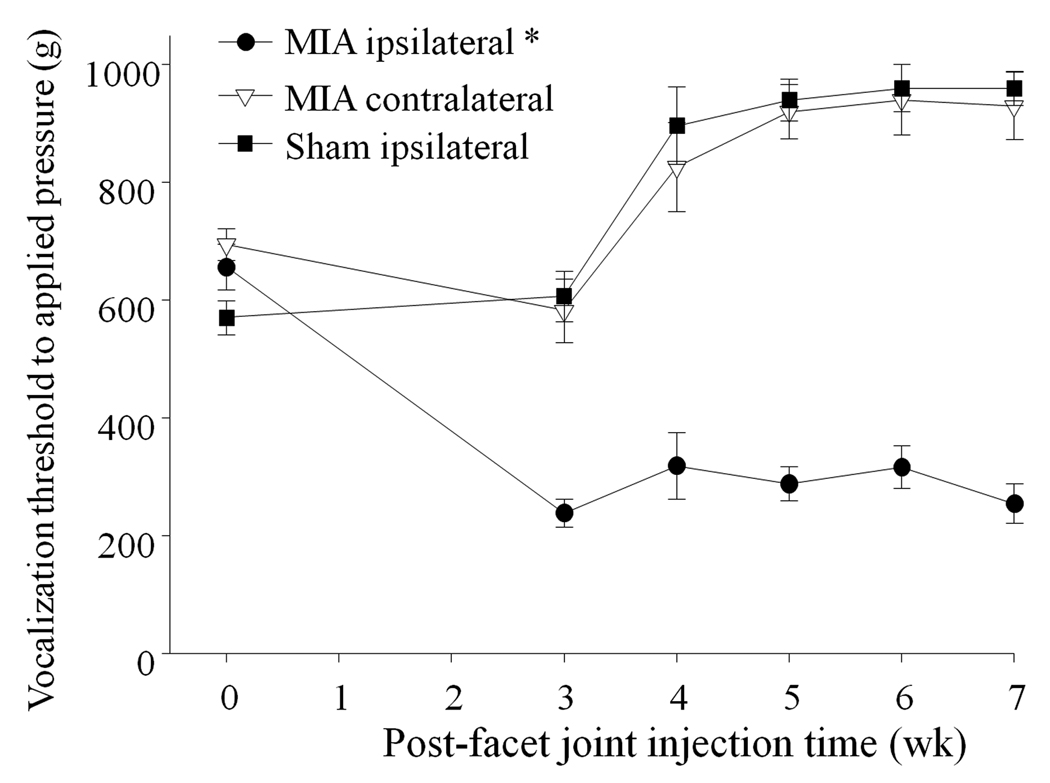
Methods: We generated an animal model of facet joint degeneration by intraarticular injection of monosodium iodoacetate (MIA) into facet joints (L3-L4, L4-L5, L5-L6) of Sprague-Dawley rats. Pain sensation due to pressure, which mimics a mechanical stimulus for facet joint injury, was measured using an algometer. Pain response was also assessed in a straight leg raising test. Cartilage alterations were assessed by biochemical evaluation and microfocal computed tomography (micro-CT). Therapeutic modulation of chronic facet joint pain with the use of various pharmacologic agents was investigated.
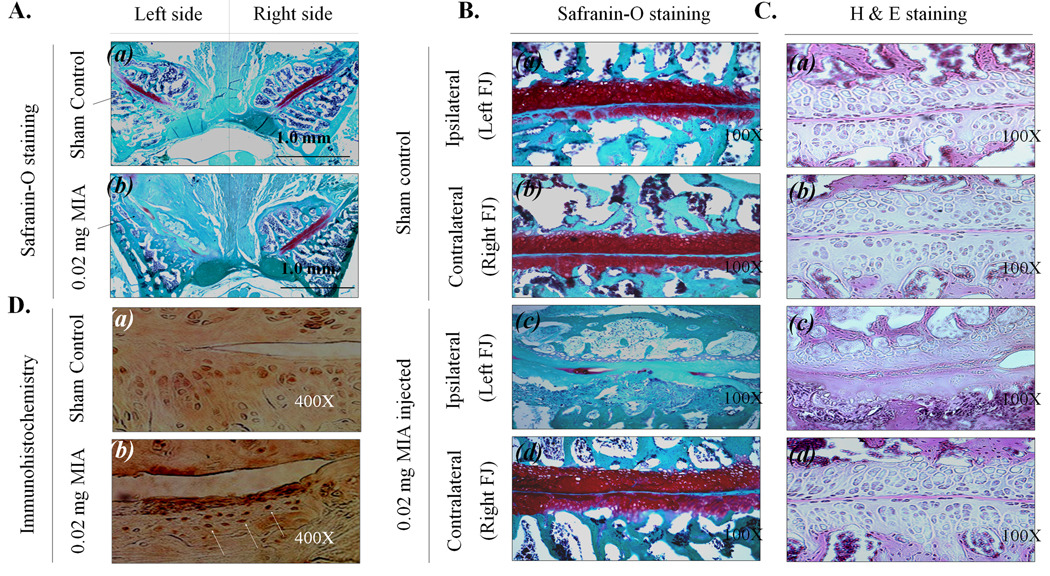
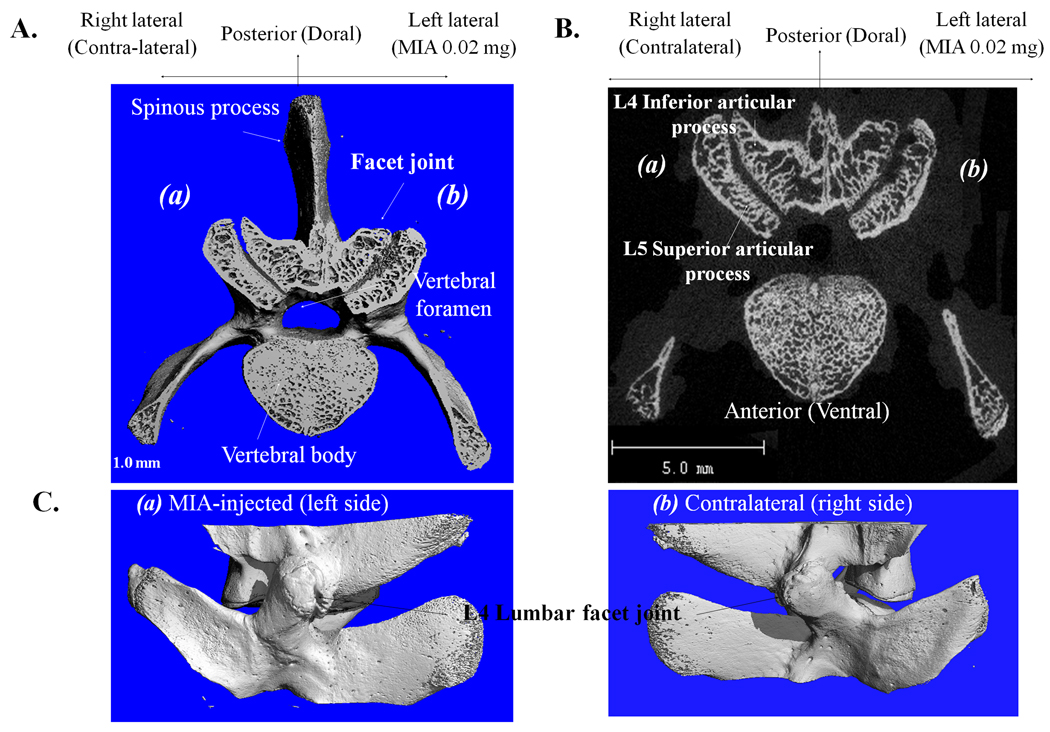
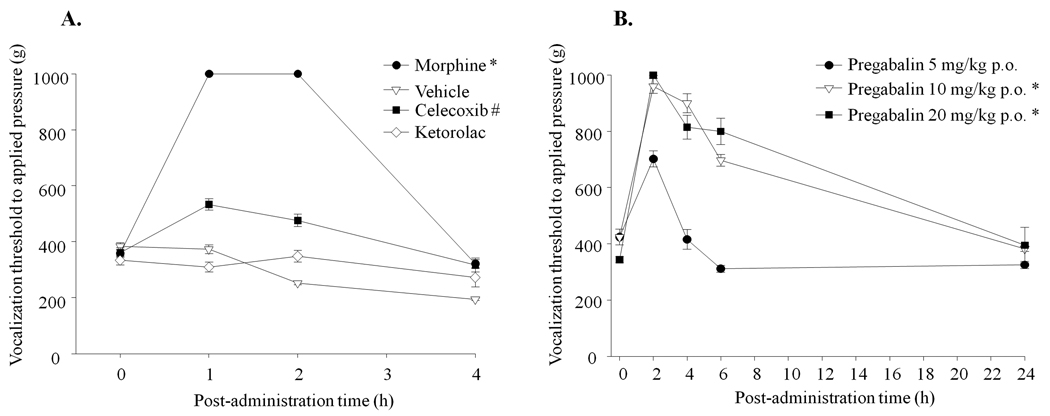
Results: MIA injection resulted in severely damaged facet joint cartilage, proteoglycan loss, and alterations of subchondral bone structure. Micro-CT analyses suggested that the behavioral hyperalgesia from facet joint degeneration was not associated with foraminal stenosis. The biologic and structural changes in facet joints were closely associated with sustained and robust chronic pain. Morphine and pregabalin markedly alleviated pressure hyperalgesia, while celecoxib (a selective inhibitor of cyclooxygenase 2 [COX-2]) produced moderate antihyperalgesic effects and the effect of ketorolac (an inhibitor of COX-1 and COX-2) was negligible.
Conclusion: Our findings demonstrate that MIA injection provides a useful model for the study of OA changes in the facet joint and indicate that facet joint degeneration is a major cause of chronic low back pain. The treatment results suggest that classes of drugs that are widely used to treat OA, such as nonsteroidal antiinflammatory drugs, may have limited efficacy once joint destruction is complete.
Copyright © 2011 by the American College of Rheumatology.
Figures

References
-
- Kirkaldy-Willis WH, Farfan HF. Instability of the lumbar spine. Clin Orthop Relat Res. 1982;165:110–123. - PubMed
-
- Schwarzer AC, Aprill CN, Derby R, Fortin J, Kine G, Bogduk N. Clinical features of patients with pain stemming from the lumbar zygapophysial joints. Is the lumbar facet syndrome a clinical entity? Spine (Phila Pa 1976) 1994;19(10):1132–1137. - PubMed
Publication types
MeSH terms
Substances
Grants and funding
LinkOut - more resources
Full Text Sources
Medical
Research Materials
