


Acute tolerance to alcohol impairment of behavioral and cognitive mechanisms related to driving: drinking and driving on the descending limb
- PMID: 21960182
- PMCID: PMC4307943
- DOI: 10.1007/s00213-011-2519-6
Acute tolerance to alcohol impairment of behavioral and cognitive mechanisms related to driving: drinking and driving on the descending limb
Abstract
Rationale: Alcohol effects on behavioral and cognitive mechanisms influence impaired driving performance and decisions to drive after drinking (Barry 1973; Moskowitz and Robinson 1987). To date, research has focused on the ascending limb of the blood alcohol curve, and there is little understanding of how acute tolerance to impairment of these mechanisms might influence driving behavior on the descending limb.
Objectives: To provide an integrated examination of the degree to which alcohol impairment of motor coordination and inhibitory control contributes to driving impairment and decisions to drive on the ascending and descending limbs of the blood alcohol curve.
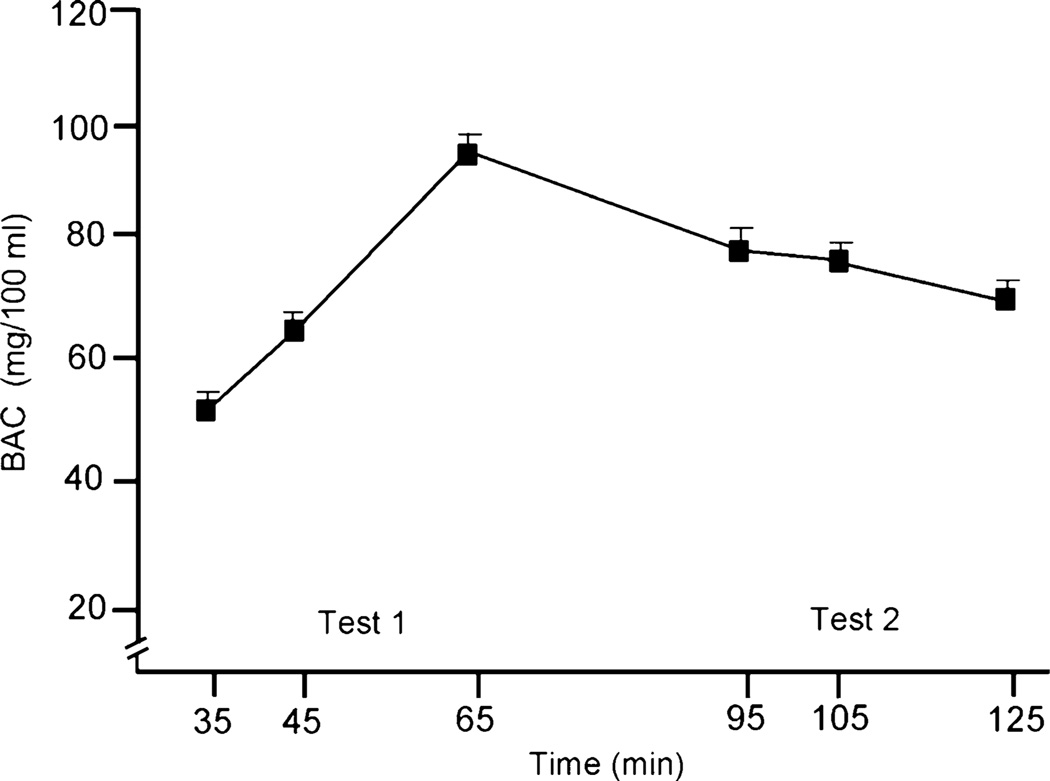
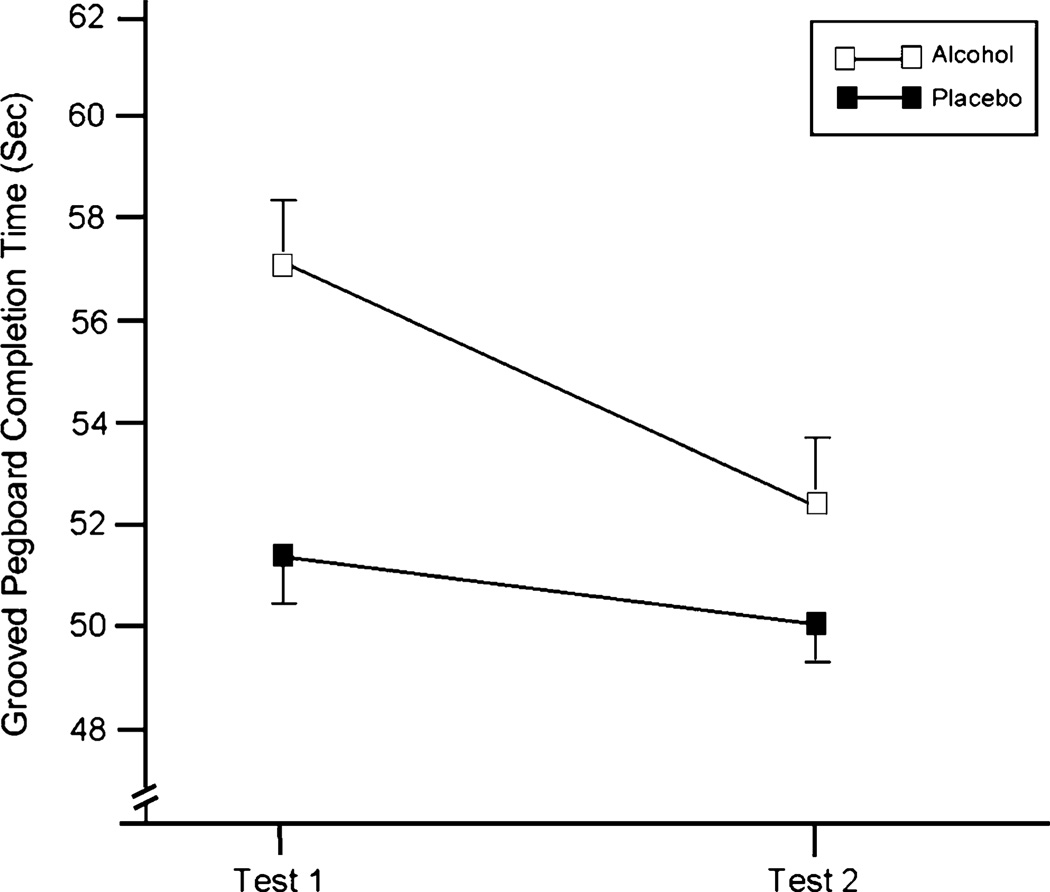
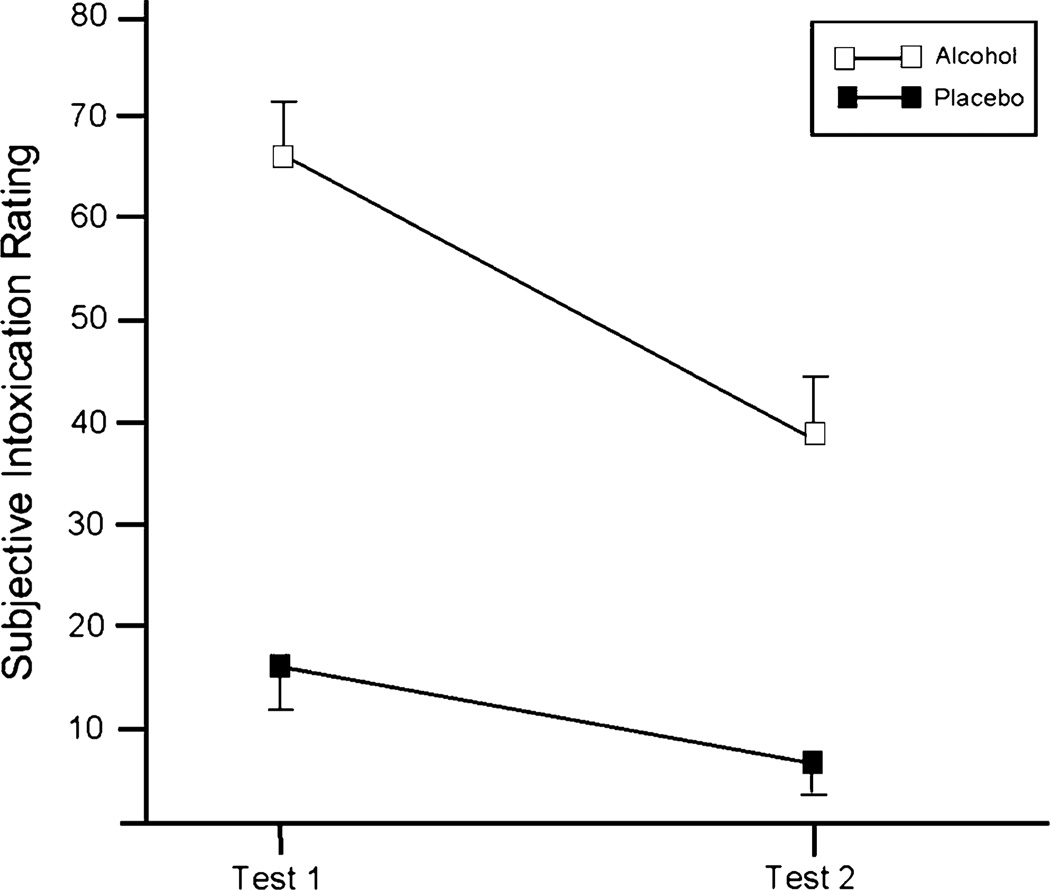
Methods: Social-drinking adults (N = 20) performed a testing battery that measured simulated driving performance and willingness to drive, as well as mechanisms related to driving: motor coordination (grooved pegboard), inhibitory control (cued go/no-go task), and subjective intoxication. Performance was tested in response to placebo and a moderate dose of alcohol (0.65 g/kg) twice at comparable blood alcohol concentrations: once on the ascending limb and again on the descending limb.
Results: Impaired motor coordination and subjective intoxication showed acute tolerance, whereas driving performance and inhibitory control showed no recovery from impairment. Greater motor impairment was associated with poorer driving performance under alcohol, and poorer inhibitory control was associated with more willingness to drive.
Conclusions: Findings suggest that acute tolerance to impairment of motor coordination is insufficient to promote recovery of driving performance and that the persistence of alcohol-induced disinhibition might contribute to risky decisions to drive on the descending limb.
Conflict of interest statement
The authors have no conflict of interest to declare.
Figures
References
-
- Barry H. Motivational and cognitive effects of alcohol. J Safety Res. 1973:200–221.
-
- Beirness DJ. Self-estimates of blood alcohol concentration in drinking-driving context. Drug Alcohol Depend. 1987;19:79–90. - PubMed
-
- Beirness D, Vogel-Sprott M. The development of alcohol tolerance: acute recovery as a predictor. Psychopharmacol (Berl) 1984;84:398–401. - PubMed
-
- Cromer JR, Cromer JA, Maruff P, Snyder PJ. Perception of alcohol intoxication shows acute tolerance while executive functions remain impaired. Exp Clin Psychopharmacol. 2010;18:329–339. - PubMed
-
- Fillmore MT, Blackburn J. Compensating for alcohol-induced impairment: alcohol expectancies and behavioral disinhibition. J Stud Alcohol. 2002;63:237–246. - PubMed
Publication types
MeSH terms
Substances
Grants and funding
LinkOut - more resources
Full Text Sources
Medical
