


Xenopus research: metamorphosed by genetics and genomics
- PMID: 21963197
- PMCID: PMC3601910
- DOI: 10.1016/j.tig.2011.08.003
Xenopus research: metamorphosed by genetics and genomics
Abstract
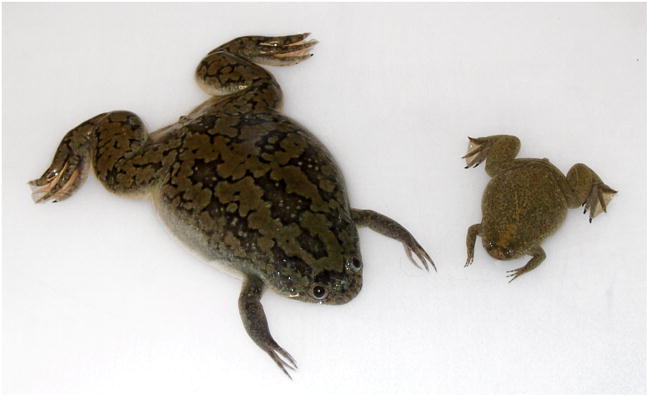
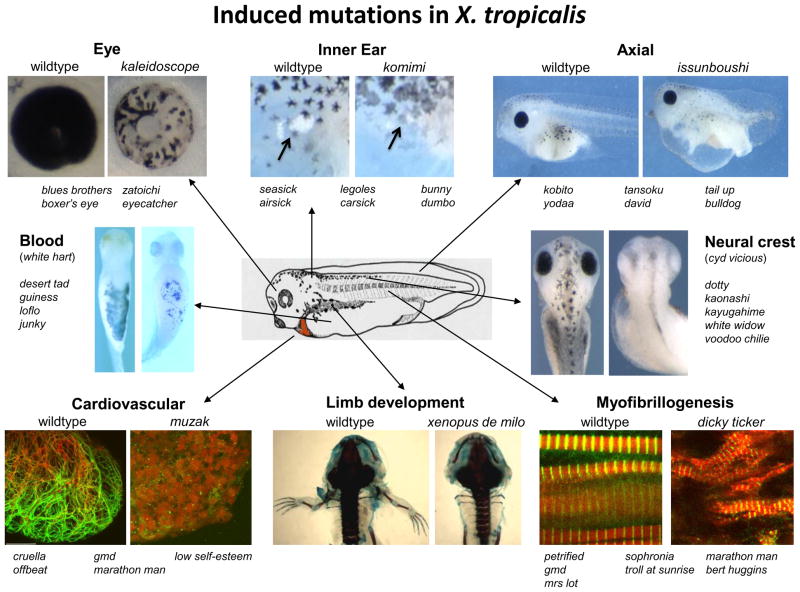
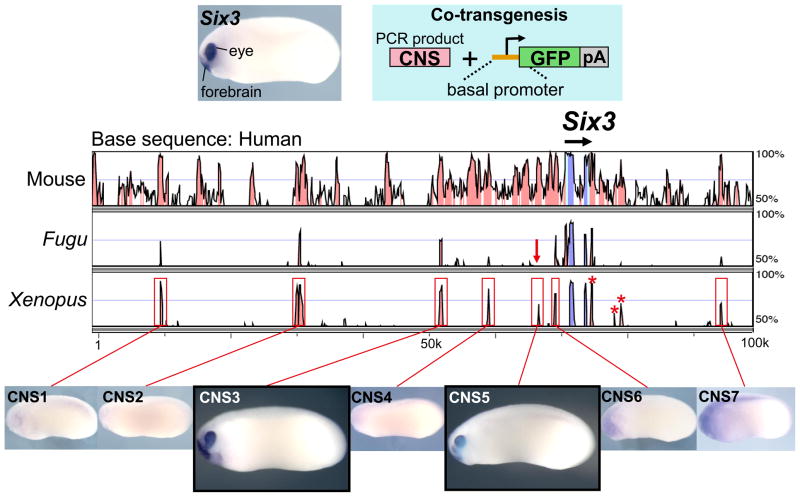
Research using Xenopus takes advantage of large, abundant eggs and readily manipulated embryos in addition to conserved cellular, developmental and genomic organization with mammals. Research on Xenopus has defined key principles of gene regulation and signal transduction, embryonic induction, morphogenesis and patterning as well as cell cycle regulation. Genomic and genetic advances in this system, including the development of Xenopus tropicalis as a genetically tractable complement to the widely used Xenopus laevis, capitalize on the classical strengths and wealth of achievements. These attributes provide the tools to tackle the complex biological problems of the new century, including cellular reprogramming, organogenesis, regeneration, gene regulatory networks and protein interactions controlling growth and development, all of which provide insights into a multitude of human diseases and their potential treatments.
Copyright © 2011 Elsevier Ltd. All rights reserved.
Figures
References
-
- Twain M. The Celebrated Jumping Frog of Calaveras County: And Other Sketches. C.H. Webb; 1867.
-
- Gurdon JB, Hopwood N. The introduction of Xenopus laevis into developmental biology: of empire, pregnancy testing and ribosomal genes. Int J Dev Biol. 2000;44:43–50. - PubMed
-
- Gurdon JB, Uehlinger V. “Fertile” intestine nuclei. Nature. 1966;210:1240–1241. - PubMed
-
- Moody SA. Fates of the blastomeres of the 32-cell-stage Xenopus embryo. Dev Biol. 1987;122:300–319. - PubMed
-
- Dale L, Slack JM. Fate map for the 32-cell stage of Xenopus laevis. Development. 1987;99:527–551. - PubMed
Publication types
MeSH terms
Grants and funding
- R01 EY006675/EY/NEI NIH HHS/United States
- R01 EY017400/EY/NEI NIH HHS/United States
- GM049346/GM/NIGMS NIH HHS/United States
- R01 HD065705/HD/NICHD NIH HHS/United States
- R01 GM042341/GM/NIGMS NIH HHS/United States
- R21 HD065713/HD/NICHD NIH HHS/United States
- EY017400/EY/NEI NIH HHS/United States
- HD065705/HD/NICHD NIH HHS/United States
- GM086321/GM/NIGMS NIH HHS/United States
- R01 RR013221/RR/NCRR NIH HHS/United States
- R01 GM049346/GM/NIGMS NIH HHS/United States
- DC010210/DC/NIDCD NIH HHS/United States
- EY019000/EY/NEI NIH HHS/United States
- R43 EY019000/EY/NEI NIH HHS/United States
- R01 GM086321/GM/NIGMS NIH HHS/United States
- R21 DC010210/DC/NIDCD NIH HHS/United States
- R01 EY018000/EY/NEI NIH HHS/United States
- RR025867/RR/NCRR NIH HHS/United States
- R44 EY019000/EY/NEI NIH HHS/United States
- P40 RR025867/RR/NCRR NIH HHS/United States
- HD065713/HD/NICHD NIH HHS/United States
- GM042341/GM/NIGMS NIH HHS/United States
LinkOut - more resources
Full Text Sources
