


A red herring in vascular calcification: 'nanobacteria' are protein-mineral complexes involved in biomineralization
- PMID: 21965584
- PMCID: PMC4176054
- DOI: 10.1093/ndt/gfr521
A red herring in vascular calcification: 'nanobacteria' are protein-mineral complexes involved in biomineralization
Abstract
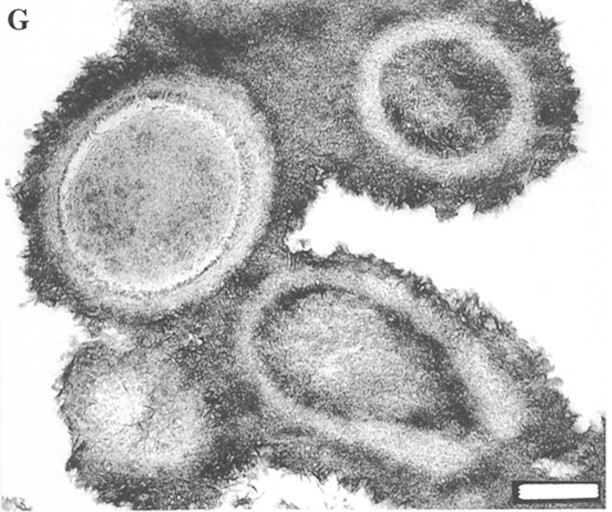
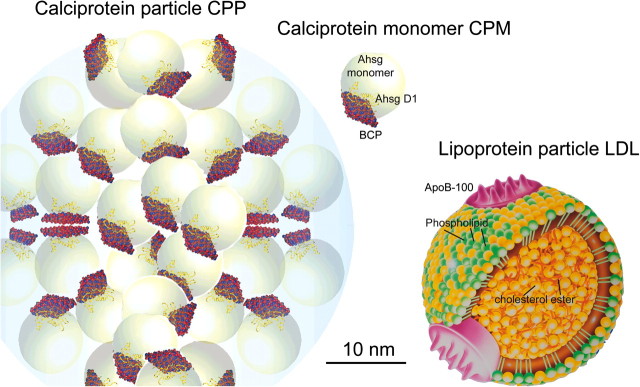
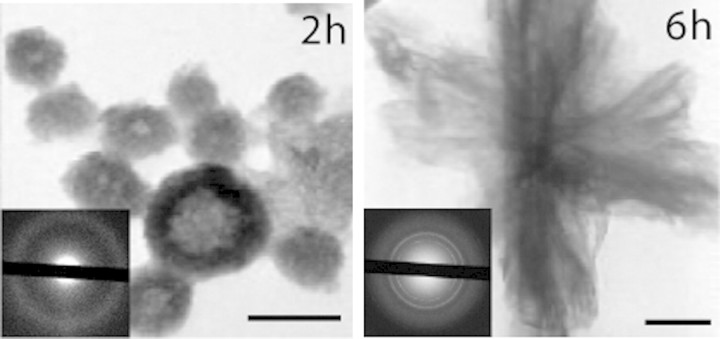
Biomineralization at pathological extraosseous sites (i.e. vasculature and soft tissues) is associated with increased morbidity and mortality. So-called 'nanobacteria' have been described as pathogenic agents causing many diseases including calcification. Initially, their appearance, and having a content consisting of nucleic acids plus proteins and properties of growing structures, suggested that they were living organisms. However, it could be demonstrated that the so-called nanobacteria were in fact mineralizing nanoparticles that contain mineral and non-mineral compounds, that these particles bind to charged molecules and that supersaturation enables in vitro growth of these nanoparticles. Recent data indicate that nanoparticles consisting of protein-mineral complexes can be seen both in vitro and in vivo as precursors of matrix calcification.
Figures
References
-
- Schinke T, McKee MD, Karsenty G. Extracellular matrix calcification: where is the action? Nat Genet. 1999;21:150–151. - PubMed
-
- Jahnen-Dechent W, Heiss A, Schafer C, et al. Fetuin-a regulation of calcified matrix metabolism. Circ Res. 2011;108:1494–1509. - PubMed
-
- Folk RL. SEM imaging of bacteria and nannobacteria in carbonate sediments and rocks. J Sediment Petrol. 1993;63:990–999.
-
- McKay DS, Gibson EK, Jr, Thomas-Keprta KL, et al. Search for past life on Mars: possible relic biogenic activity in martian meteorite ALH84001. Science. 1996;273:924–930. - PubMed
Publication types
MeSH terms
Substances
LinkOut - more resources
Full Text Sources
Other Literature Sources
Medical
