


Changes in gene expression during adaptation of Listeria monocytogenes to the soil environment
- PMID: 21966375
- PMCID: PMC3179493
- DOI: 10.1371/journal.pone.0024881
Changes in gene expression during adaptation of Listeria monocytogenes to the soil environment
Abstract
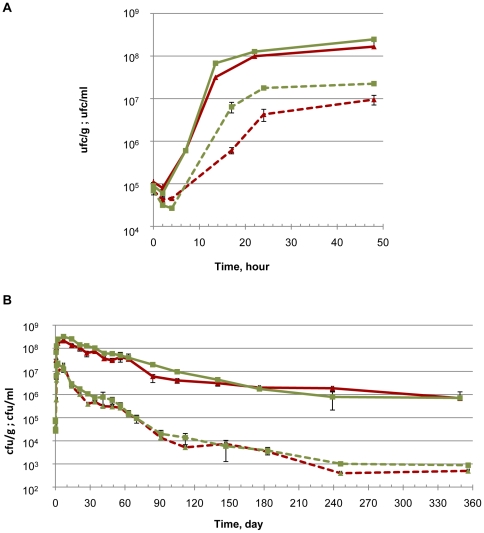
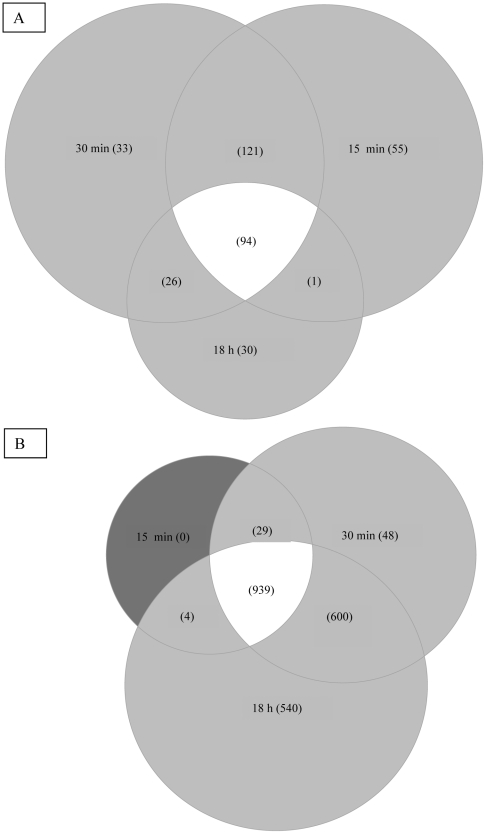
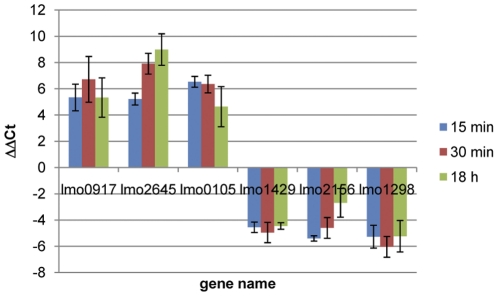
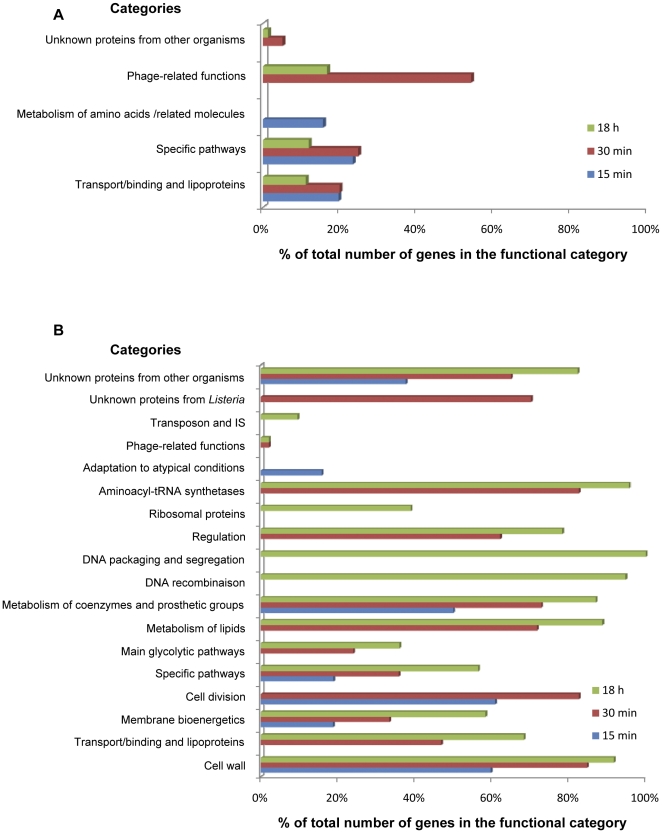
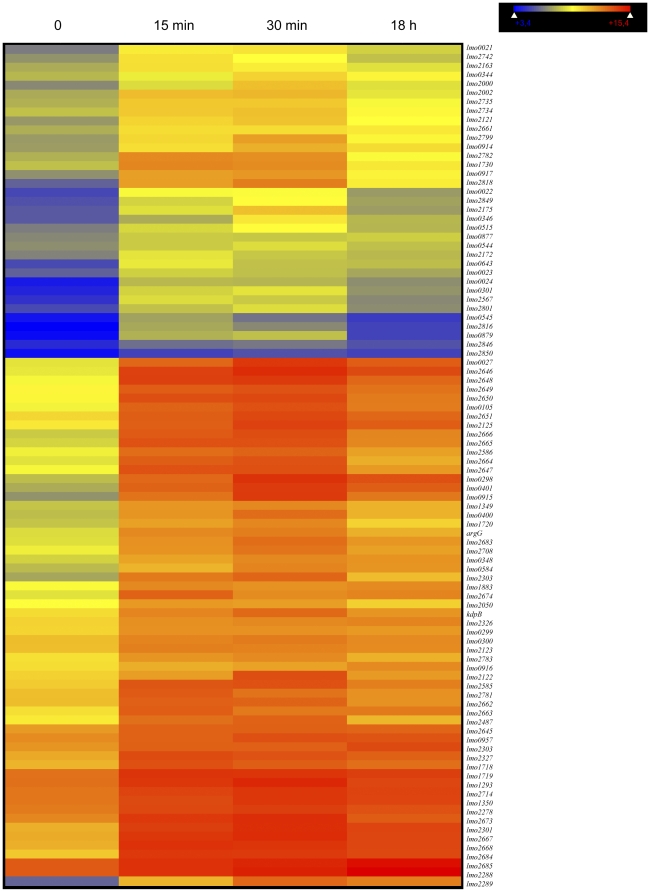
Listeria monocytogenes is a ubiquitous opportunistic pathogen responsible for listeriosis. In order to study the processes underlying its ability to adapt to the soil environment, whole-genome arrays were used to analyse transcriptome modifications 15 minutes, 30 minutes and 18 h after inoculation of L. monocytogenes EGD-e in soil extracts. Growth was observed within the first day of incubation and large numbers were still detected in soil extract and soil microcosms one year after the start of the experiment. Major transcriptional reprofiling was observed. Nutrient acquisition mechanisms (phosphoenolpyruvate-dependent phosphotransferase systems and ABC transporters) and enzymes involved in catabolism of specific carbohydrates (β-glucosidases; chitinases) were prevalent. This is consistent with the overrepresentation of the CodY regulon that suggests that in a nutrient depleted environment, L. monocytogenes recruits its extensive repertoire of transporters to acquire a range of substrates for energy production.
Conflict of interest statement
Figures
References
Publication types
MeSH terms
Substances
LinkOut - more resources
Full Text Sources
Molecular Biology Databases
