Psychometric evaluation of the Fear of Positive Evaluation Scale in patients with social anxiety disorder
- PMID: 21966932
- PMCID: PMC4138968
- DOI: 10.1037/a0025723
Psychometric evaluation of the Fear of Positive Evaluation Scale in patients with social anxiety disorder
Abstract
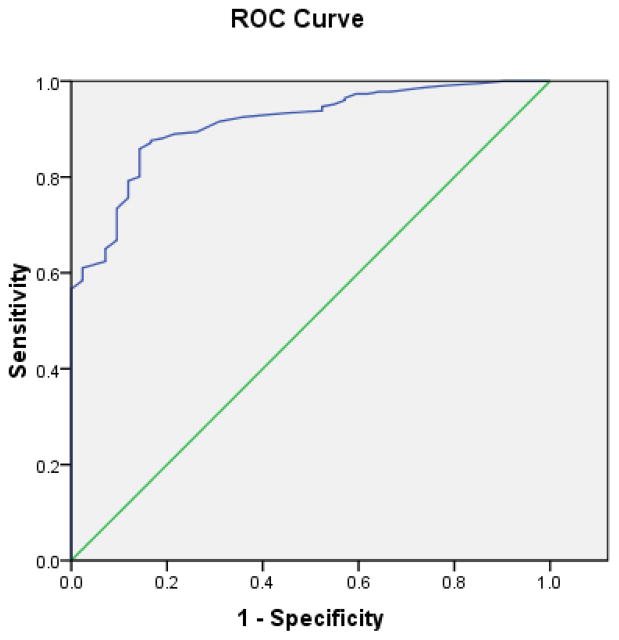
The Fear of Positive Evaluation Scale (FPES; J. W. Weeks, R. G. Heimberg, & T. L. Rodebaugh, 2008) was designed to assess fear of positive evaluation, a proposed cognitive component of social anxiety. Although previous findings on the psychometric properties of the FPES have been highly encouraging, only 1 previous study has examined the psychometric profile of the FPES in a sample of patients with social anxiety disorder (T. A. Fergus et al., 2009). The primary purpose of the present study was to conduct a large multisite examination of the psychometric profile of the FPES among patients with a principal diagnosis of social anxiety disorder (n = 226; generalized subtype = 97.8%). Responses of nonanxious control participants (n = 42) were also examined. The factorial validity, internal consistency, test-retest reliability, construct validity, and treatment sensitivity of the FPES were strongly supported by our findings. Furthermore, an FPES cutoff score was identified for distinguishing levels of fear of positive evaluation characteristic of patients with social anxiety disorder from those characteristic of the control group. Results provide additional support for the psychometric properties of the FPES in clinical samples.
(c) 2012 APA, all rights reserved
Figures
References
-
- American Psychiatric Association. Diagnostic and statistical manual of mental disorders. 4. Washington, DC: Author; 1994.
-
- Beck AT, Steer RA, Brown GK. Beck Depression Inventory Manual. 2. San Antonio, TX: Psychological Corporation; 1996.