Review
. 2011 Nov-Dec;2(6):837-52.
doi: 10.1002/wrna.95. Epub 2011 Jul 6.

Suppression of nonsense mutations as a therapeutic approach to treat genetic diseases

Affiliations
Review

Suppression of nonsense mutations as a therapeutic approach to treat genetic diseases

Kim M Keeling et al. Wiley Interdiscip Rev RNA. 2011 Nov-Dec.

Abstract

Suppression therapy is a treatment strategy for genetic diseases caused by nonsense mutations. This therapeutic approach utilizes pharmacological agents that suppress translation termination at in-frame premature termination codons (PTCs) to restore translation of a full-length, functional polypeptide. The efficiency of various classes of compounds to suppress PTCs in mammalian cells is discussed along with the current limitations of this therapy. We also elaborate on approaches to improve the efficiency of suppression that include methods to enhance the effectiveness of current suppression drugs and the design or discovery of new, more effective suppression agents. Finally, we discuss the role of nonsense-mediated mRNA decay (NMD) in limiting the effectiveness of suppression therapy, and describe tactics that may allow the efficiency of NMD to be modulated in order to enhance suppression therapy.


Figures

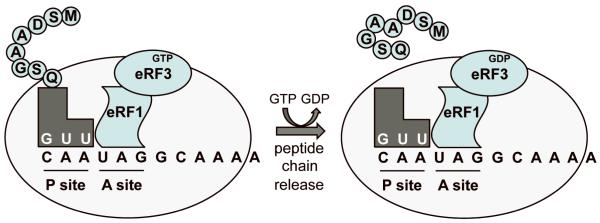
Figure 1
Figure 1. Translation termination
During translation termination, eRF1 and eRF3 bind the pre-termination complex with a stop codon located in the ribosomal A site. eRF1 mediates the initial recognition of the stop codon. GTP hydrolysis by eRF3 finalizes stop codon recognition and facilitates polypeptide chain release.
Figure 2
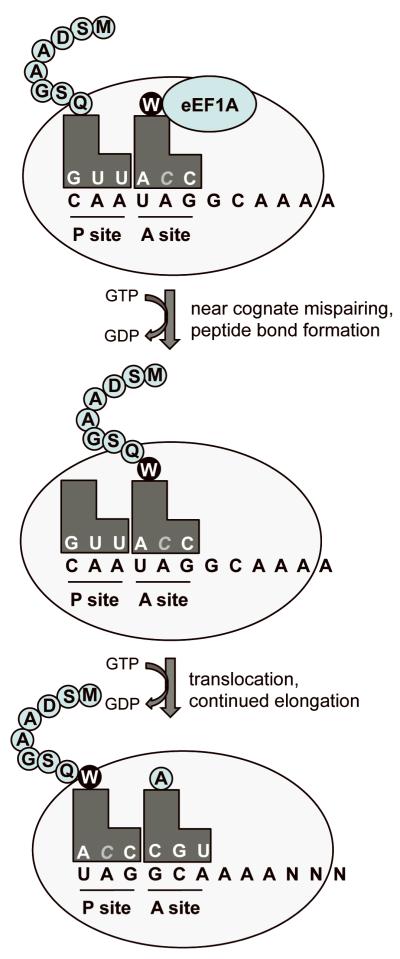
Figure 2. Suppression of translation termination
During the suppression of a premature stop codon, a near-cognate aminoacyl tRNA pairs at two of the three bases of the stop codon. The amino acid carried by the near-cognate tRNA is added to the polypeptide chain and translation resumes in the proper reading frame until the natural stop codon is reached.
Figure 3
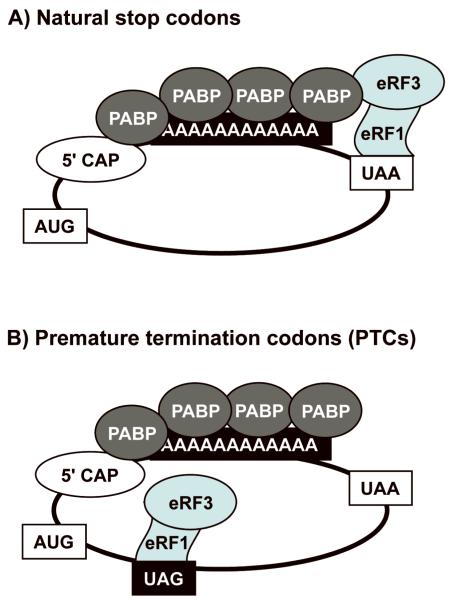
Figure 3. Comparison of translation termination at natural stop codons vs. premature stop codons
A) Termination at natural stop codons. Termination efficiency at natural stop codons located near the 3′ end of mRNAs is enhanced by interactions between eRF3 and PABP. B) Termination at premature stop codons. eRF3 and PABP cannot interact efficiently because of the spatial distance between premature termination codons and the poly (A) tail of the mRNA where PABP binds, thus reducing the efficiency of termination. The absence of this interaction is thought to result in ribosome pausing at the premature stop codon, making them more susceptible to suppression.
Figure 4
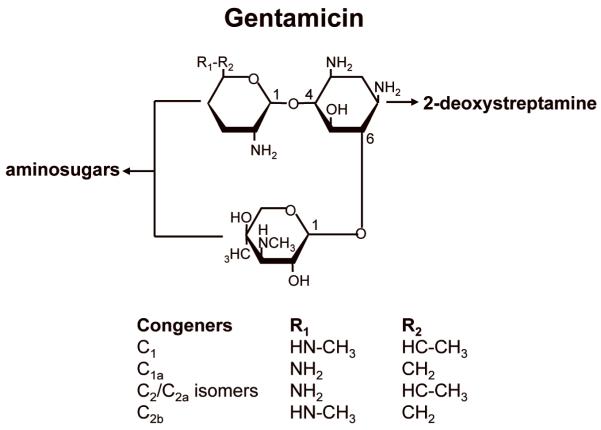
Figure 4. Structures of gentamicin congeners
Figure 5
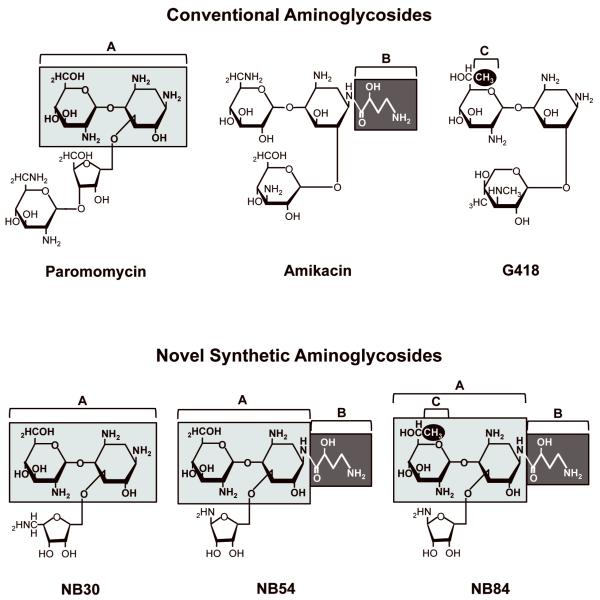
Figure 5. Structures of conventional aminoglycosides and novel synthetic aminoglycosides
The novel synthetic aminoglycoside derivatives shown contain structural components of conventional aminoglycosides (shaded and numbered A-C) that are predicted to enhance suppression nonsense mutations while decreasing their nonspecific interactions.
Figure 6
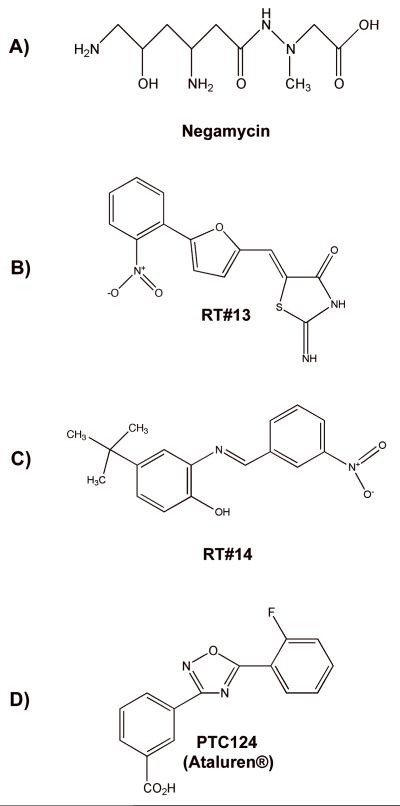
Figure 6. Structures of non-aminoglycoside compounds that suppress translation termination at premature termination codons
Figure 7
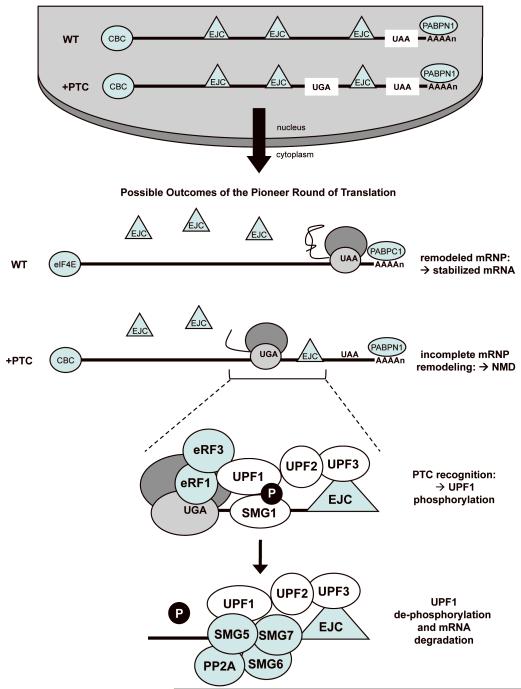
Figure 7. A simplified model of mammalian NMD
Figure 8
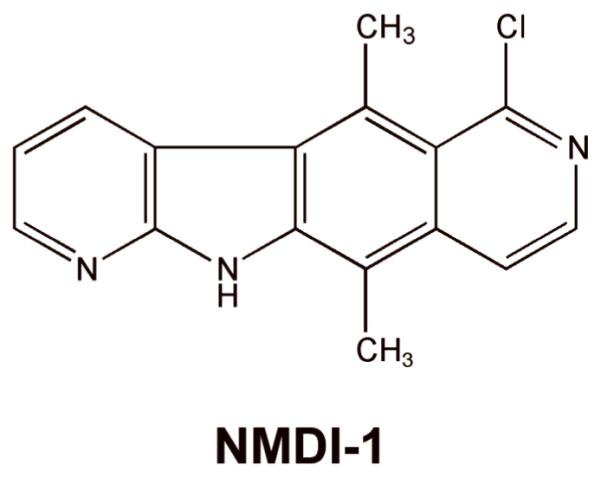
Figure 8. Structure of the NMD inhibitor, NMDI-1

References

    1. Frischmeyer PA, Dietz HC. Nonsense-mediated mRNA decay in health and disease. Hum Mol Genet. 1999;8(10):1893–900. - PubMed
    1. Rodnina MV, Gromadski KB, Kothe U, Wieden HJ. Recognition and selection of tRNA in translation. FEBS Lett. 2005;579(4):938–42. - PubMed
    1. Zhouravleva G, Frolova L, Le Goff X, Le Guellec R, Inge-Vechtomov S, Kisselev L, Philippe M. Termination of translation in eukaryotes is governed by two interacting polypeptide chain release factors, eRF1 and eRF3. EMBO J. 1995;14(16):4065–72. - PMC - PubMed
    1. Song H, Mugnier P, Das AK, Webb HM, Evans DR, Tuite MF, Hemmings BA, Barford D. The crystal structure of human eukaryotic release factor eRF1-- mechanism of stop codon recognition and peptidyl-tRNA hydrolysis. Cell. 2000;100(3):311–21. - PubMed
    1. Frolova L, Le Goff X, Zhouravleva G, Davydova E, Philippe M, Kisselev L. Eukaryotic polypeptide chain release factor eRF3 is an eRF1- and ribosome-dependent guanosine triphosphatase. RNA. 1996;2(4):334–41. - PMC - PubMed

Publication types

MeSH terms