


A syndecan-4 hair trigger initiates wound healing through caveolin- and RhoG-regulated integrin endocytosis
- PMID: 21982645
- PMCID: PMC3202633
- DOI: 10.1016/j.devcel.2011.08.007
A syndecan-4 hair trigger initiates wound healing through caveolin- and RhoG-regulated integrin endocytosis
Erratum in
- Dev Cell. 2012 Nov 13;23(5):1081-2
Abstract
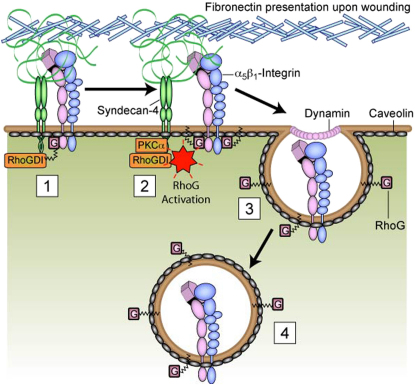
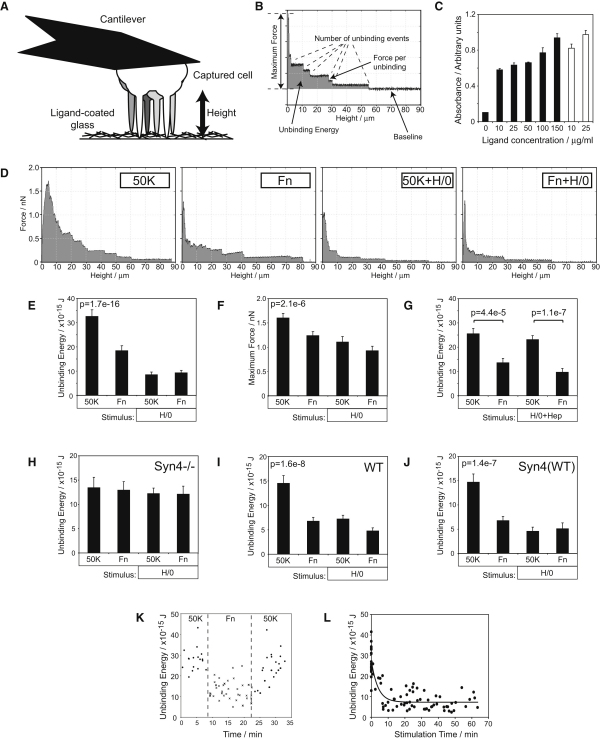
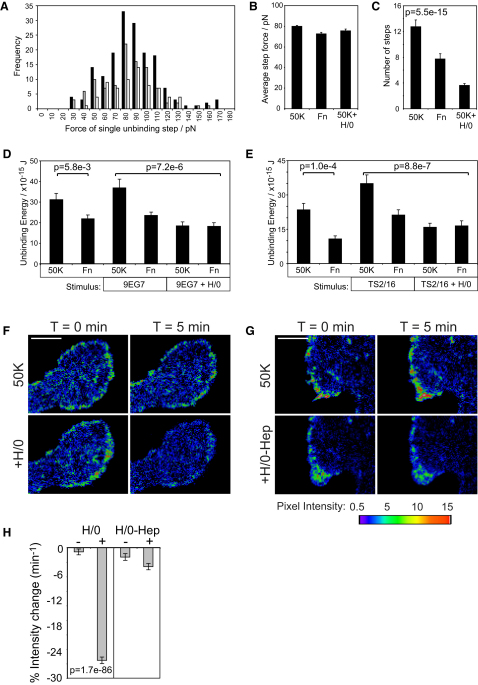
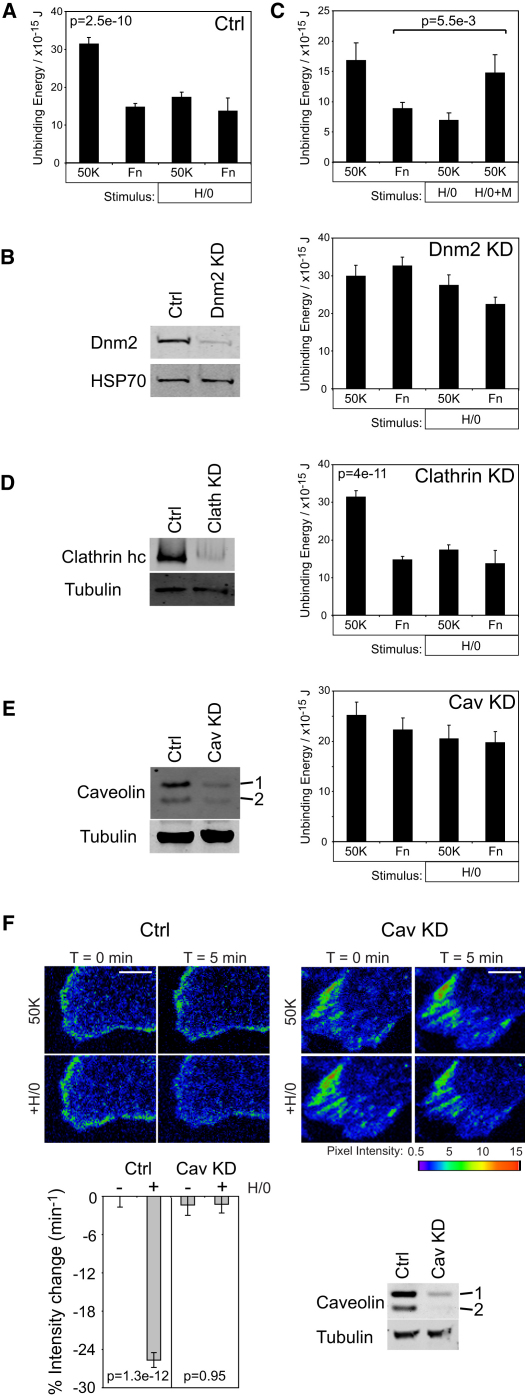
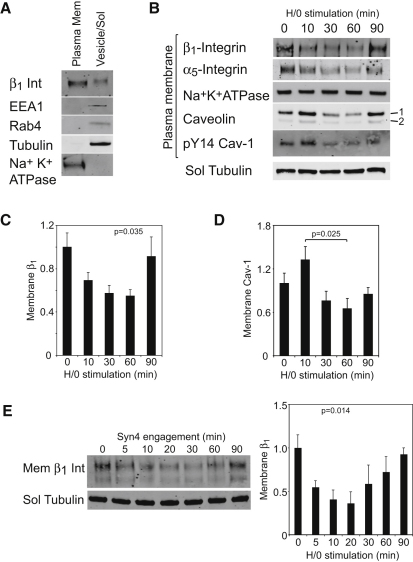
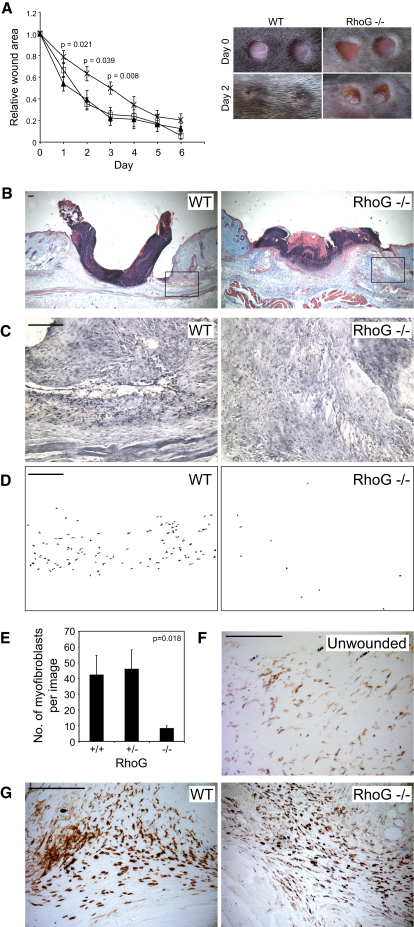
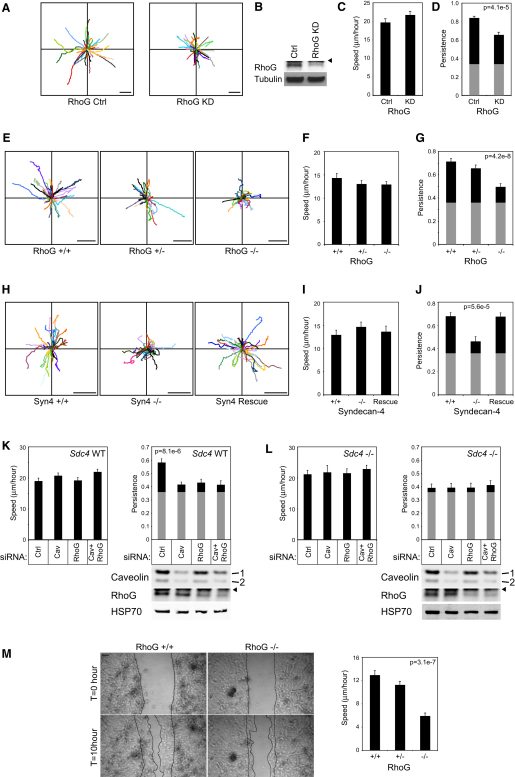
Cell migration during wound healing requires adhesion receptor turnover to enable the formation and disassembly of cell-extracellular matrix contacts. Although recent advances have improved our understanding of integrin trafficking pathways, it is not known how extracellular ligand engagement controls receptor dynamics. Using atomic force microscopy, we have measured cell avidity for fibronectin and defined a mechanism for the outside-in regulation of α(5)β(1)-integrin. Surprisingly, adhesive strength was attenuated by the syndecan-4-binding domain of fibronectin due to a rapid triggering of α(5)β(1)-integrin endocytosis. Association of syndecan-4 with PKCα was found to trigger RhoG activation and subsequent dynamin- and caveolin-dependent integrin uptake. Like disruption of syndecan-4 or caveolin, gene disruption of RhoG in mice was found to retard closure of dermal wounds due to a migration defect of the fibroblasts and keratinocytes of RhoG null mice. Thus, this syndecan-4-regulated integrin endocytic pathway appears to play a key role in tissue repair.
Copyright © 2011 Elsevier Inc. All rights reserved.
Figures

References
-
- Cao H., Courchesne W.E., Mastick C.C. A phosphotyrosine-dependent protein interaction screen reveals a role for phosphorylation of caveolin-1 on tyrosine 14: recruitment of C-terminal Src kinase. J. Biol. Chem. 2002;277:8771–8774. - PubMed
-
- Caswell P.T., Norman J.C. Integrin trafficking and the control of cell migration. Traffic. 2006;7:14–21. - PubMed
Publication types
MeSH terms
Substances
Grants and funding
LinkOut - more resources
Full Text Sources
Other Literature Sources
Molecular Biology Databases
