


Molecular targets and oxidative stress biomarkers in hepatocellular carcinoma: an overview
- PMID: 21985599
- PMCID: PMC3213217
- DOI: 10.1186/1479-5876-9-171
Molecular targets and oxidative stress biomarkers in hepatocellular carcinoma: an overview
Abstract
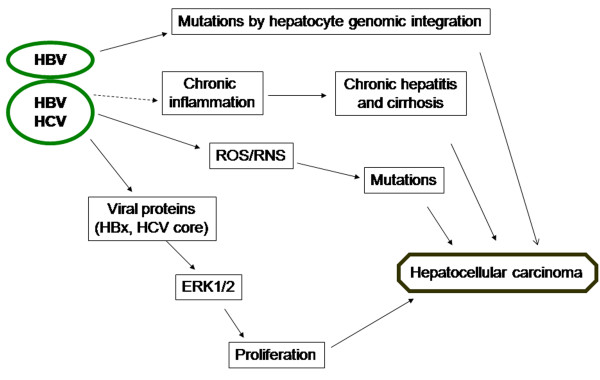
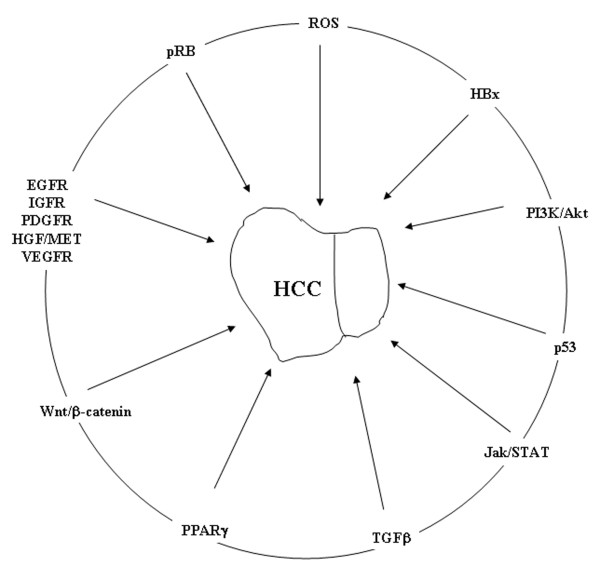
Hepatocellular carcinoma (HCC) is a complex and heterogeneous tumor with multiple genetic aberrations. Several molecular pathways involved in the regulation of proliferation and cell death are implicated in the hepatocarcinogenesis. The major etiological factors for HCC are both hepatitis B virus (HBV) and hepatitis C virus infection (HCV). Continuous oxidative stress, which results from the generation of reactive oxygen species (ROS) by environmental factors or cellular mitochondrial dysfunction, has recently been associated with hepatocarcinogenesis. On the other hand, a distinctive pathological hallmark of HCC is a dramatic down-regulation of oxido-reductive enzymes that constitute the most important free radical scavenger systems represented by catalase, superoxide dismutase and glutathione peroxidase. The multikinase inhibitor sorafenib represents the most promising target agent that has undergone extensive investigation up to phase III clinical trials in patients with advanced HCC. The combination with other target-based agents could potentiate the clinical benefits obtained by sorafenib alone. In fact, a phase II multicenter study has demonstrated that the combination between sorafenib and octreotide LAR (So.LAR protocol) was active and well tolerated in advanced HCC patients. The detection of molecular factors predictive of response to anti-cancer agents such as sorafenib and the identification of mechanisms of resistance to anti-cancer agents may probably represent the direction to improve the treatment of HCC.
Figures
References
-
- McGlynn KA, Tsao L, Hsing AW, Devesa SS, Fraumeni JF Jr. International trends and patterns of primary liver cancer. Int J Cancer. 2001;94:290–6. - PubMed
-
- Bosch FX, Ribes J, Díaz M, Cléries R. Primary Liver Cancer: Worldwide Incidence and Trends. Gastroenterology. 2004;127:S5–S16. - PubMed
-
- Larson AM. The Epidemiology of Hepatocellular Carcinoma in HCV. Curr Hepat Reps. 2005;4:145–152.
-
- Levi F, Lucchini F, Negri E, La Vecchia C. Continuing declines in cancer mortality in the European Union. Ann Oncol. 2007;18:593–595. - PubMed
-
- Montalto G, Cervello M, Giannitrapani L, Dantona F, Terranova A, Castagnetta LA. Epidemiology, risk factors, and natural history of hepatocellular carcinoma. Ann N Y Acad Sci. 2002;963:13–20. - PubMed
Publication types
MeSH terms
Substances
LinkOut - more resources
Full Text Sources
Other Literature Sources
Medical
Miscellaneous
