


Intermittent hypoxic episodes in preterm infants: do they matter?
- PMID: 21986336
- PMCID: PMC3252018
- DOI: 10.1159/000329922
Intermittent hypoxic episodes in preterm infants: do they matter?
Abstract
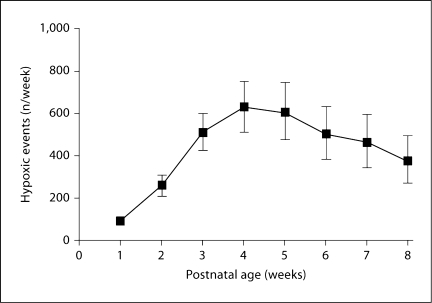
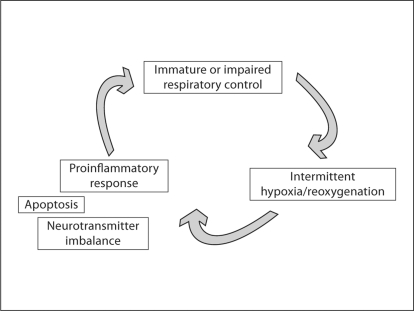
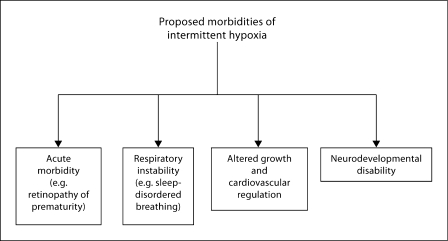
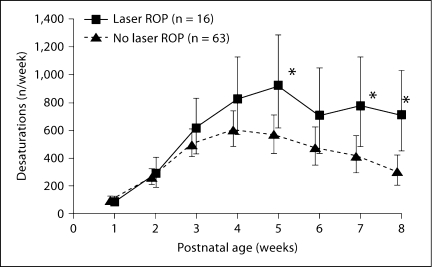
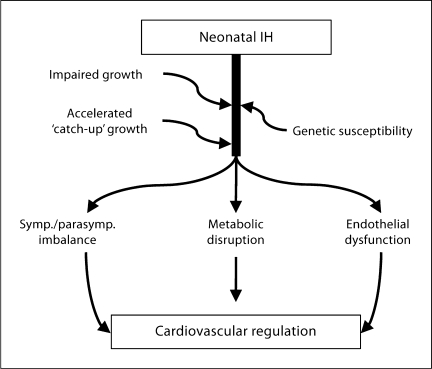
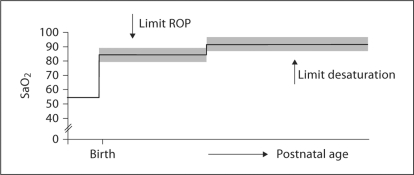
Intermittent hypoxic episodes are typically a consequence of immature respiratory control and remain a troublesome challenge for the neonatologist. Furthermore, their frequency and magnitude are underestimated by clinically employed pulse oximeter settings. In extremely low birth weight infants the incidence of intermittent hypoxia progressively increases over the first 4 weeks of postnatal life, with a subsequent plateau followed by a slow decline beginning at weeks 6-8. Such episodic hypoxia/reoxygenation has the potential to sustain a proinflammatory cascade with resultant multisystem morbidity. This morbidity includes retinopathy of prematurity and impaired growth, as well as possible longer-term cardiorespiratory instability and poor neurodevelopmental outcome. Therapeutic approaches for intermittent hypoxic episodes comprise determination of optimal baseline saturation and careful titration of supplemental inspired oxygen, as well as xanthine therapy to prevent apnea of prematurity. In conclusion, characterization of the pathophysiologic basis for such intermittent hypoxic episodes and their consequences during early life is necessary to provide an evidence-based approach to their management.
Copyright © 2011 S. Karger AG, Basel.
Figures
References
-
- Abu-Shaweesh JM, Martin RJ. Neonatal apnea: what's new? Pediatr Pulmonol. 2008;43:937–944. - PubMed
-
- Dimaguila MA, Di Fiore JM, Martin RJ, Miller MJ. Characteristics of hypoxemic episodes in very low birth weight infants on ventilatory support. J Pediatr. 1997;130:577–583. - PubMed
-
- Esquer C, Claure N, D'Ugard C, Wada Y, Bancalari E. Role of abdominal muscles activity on duration and severity of hypoxemia episodes in mechanically ventilated preterm infants. Neonatology. 2007;92:182–186. - PubMed
-
- Pillekamp F, Hermann C, Keller T, et al. Factors influencing apnea and bradycardia of prematurity – implications for neurodevelopment. Neonatology. 2007;91:155–161. - PubMed
Publication types
MeSH terms
Substances
Grants and funding
LinkOut - more resources
Full Text Sources
Medical
