. 2010 Jun 30;23(2):67-71.

Epilepsy and full-thickness burns

Affiliations

Epilepsy and full-thickness burns

A Botan. Ann Burns Fire Disasters. .

Abstract

This paper presents various aspects of severe burns involving epileptic patients, who may suffer dramatic accidents during seizure attacks. Epileptics may fall onto an open fire or hot surface (e.g. a kitchen range) and they may upset containers full of boiling liquids, suffering deep burns and scalds. In our experience in this field, the most commonly affected body areas are the face and hands, the trunk, and the lower limbs. All such injuries are full-thickness burns, owing to the very long contact of the skin surface with the lesional agent. Three cases are presented of epileptics with severe burns who were admitted to the Burn Unit of Targu Mures Teaching Hospital, Romania, where they were hospitalized; conservative debridement using polyurethanefoam (PUR-foam) dressings was the standard procedure, which all the patients received. Split-thickness skin grafting was the final method for closing the granulating bed resulting from the conservative debridement. We have found that conservative debridement using PUR-foam dressings is a cheaper and more reliable alternative than sharp debridement (which may remove healthy tissue at the same time as burn eschars).

L'auteur présente les divers aspects des problèmes des patients grands brûlés atteints d'épilepsie, qui peuvent subir des accidents dramatiques au cours de leurs attaques. Les épileptiques peuvent tomber sur les flammes du feu ou sur une surface chaude (par exemple une cuisinière) et ils peuvent renverser des conteneurs pleins de liquides en ébullition, provoquant des brûlures et des ébouillantements profonds. Selon l'expérience de l'auteur, les zones du corps les plus touchées sont le visage et les mains, le tronc et les membres inférieurs. Toutes ces lésions sont des brûlures de toute l'épaisseur de la peau, en raison du très long contact de la surface cutanée avec l'agent lésionnel. L'auteur présente trois cas de patients épileptiques atteints de brûlures graves qui ont été traités dans l'Unité des Brûlés de l'Hôpital Târgu Mures en Roumanie, où ils ont été hospitalisés; la thérapie standard, que tous les patients ont reçue, était le débridement conservateur avec l'emploi de pansements de mousse de polyuréthane. La méthode utilisée pour fermer définitivement le lit de granulation créé par le débridement conservateur a été le greffage à épaisseur variable. L'auteur a constaté que le débridement conservateur avec l'emploi de pansements de mousse de polyuréthane est une alternative moins coûteuse et plus fiable que le débridement agressif (qui peut enlever les tissus sains en même temps que les escarres).

Keywords: PUR-foam dressings; conservative debridement; epilepsy; full-thickness burns; major seizure attacks; split-thickness skin grafts.


Figures
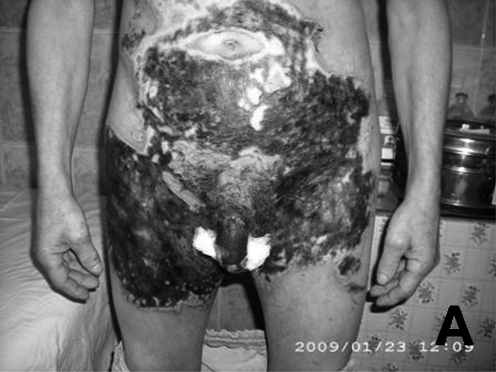
Fig. 1A
Fig. 1A. Patent's burns on admission (dark brown adherent dry eschars slightly detaching at edges, with massive staphylococcal infection and characteristic odour).
Fig. 1B
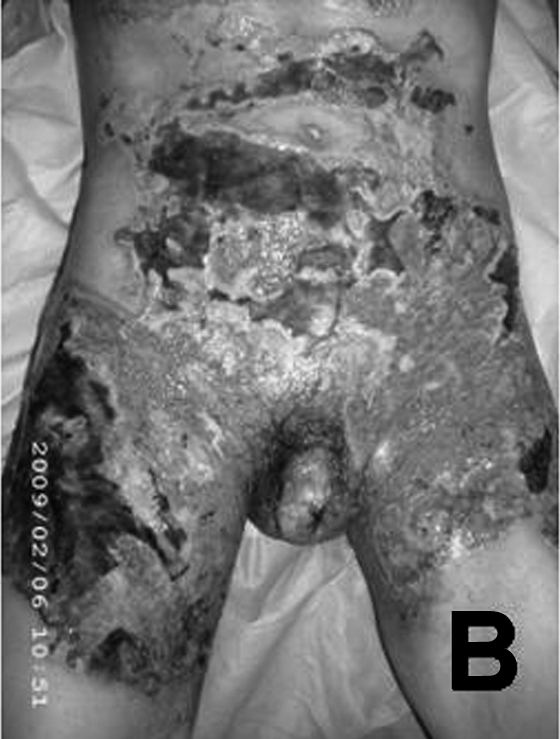
Fig. 1B. Incomplete tangential excision, preserving the adherent deep layer of the burn eschars.
Fig. 1C
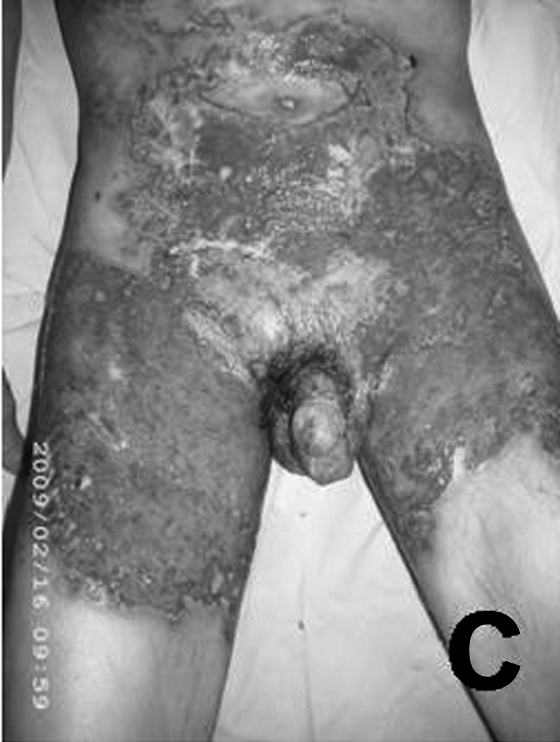
Fig. 1C. Granulating bed following three weeks of PUR foam and topical medication dressings.
Fig. 1D
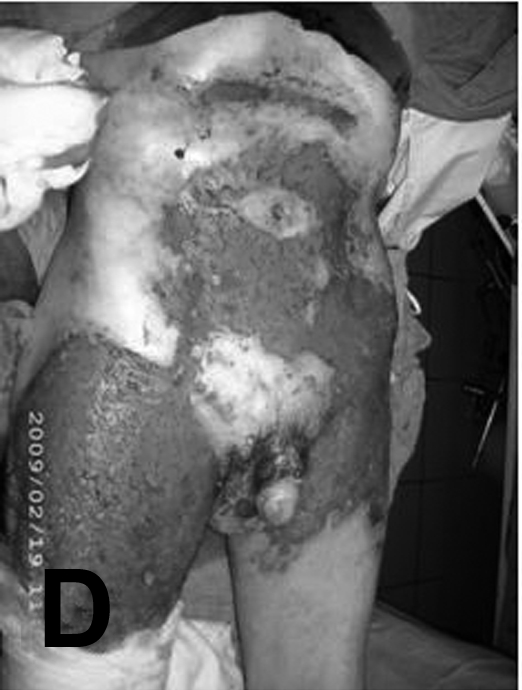
Fig. 1D. Wound bed in operating room before skin grafting (mechanical debridement for granulation tissue).
Fig. 1E
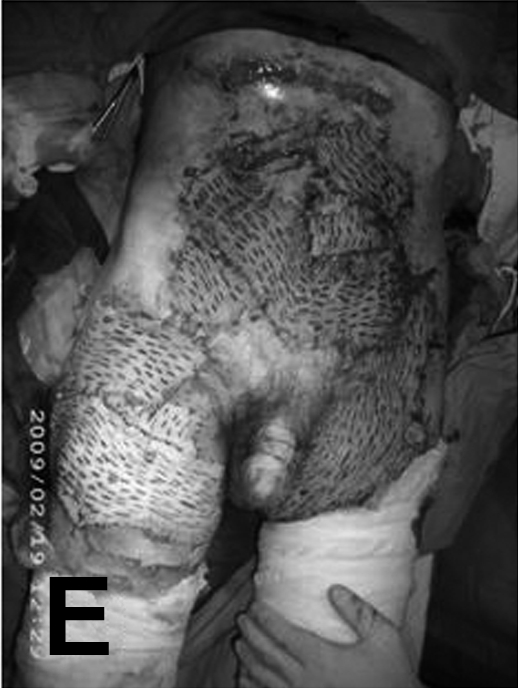
Fig. 1E. Manually meshed autograft in place.
Fig. 1F
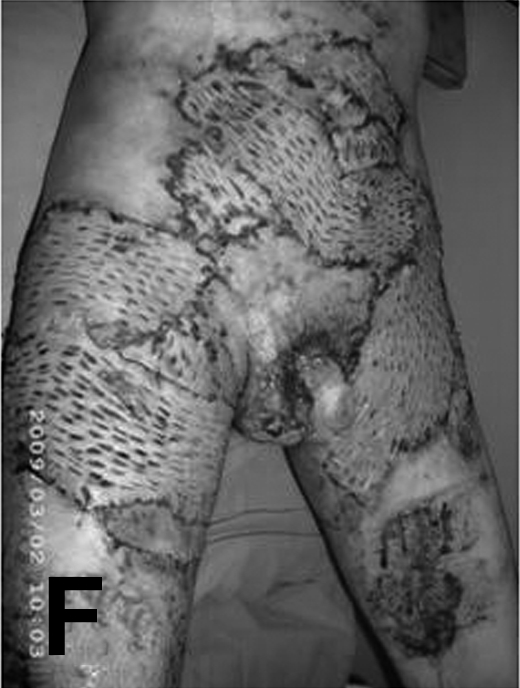
Fig. 1F. Full graft take ten days after grafting.
Fig. 1G
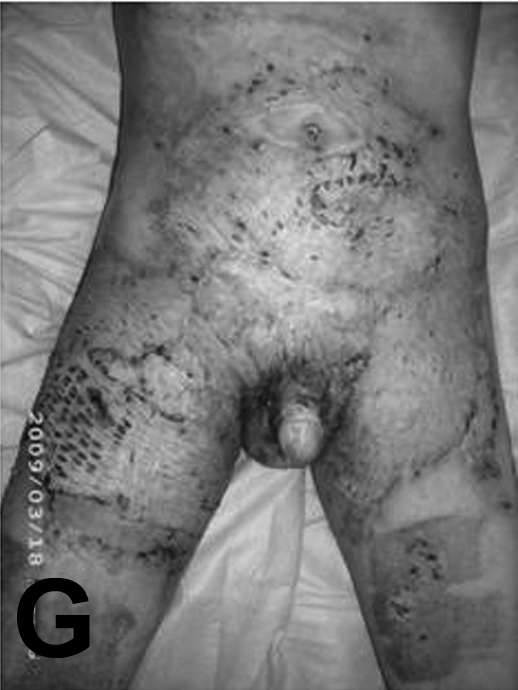
Fig. 1G. Patient’s last visit two months post-graft.
Fig. 2A
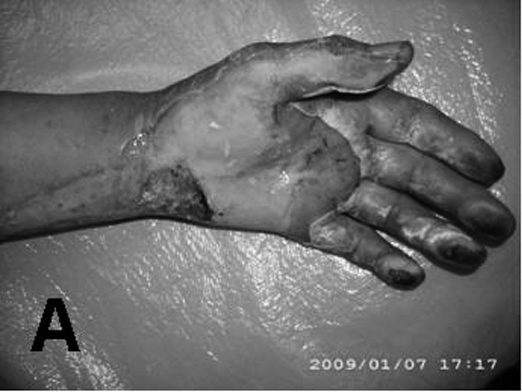
Fig. 2A. Initial aspect of the full-thickness contact burn.
Fig. 2B
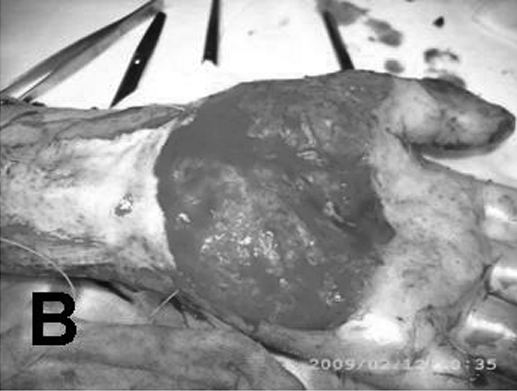
Fig. 2B. Rich granulation in operating room immediately before skin grafting; a skin graft (unmeshed split-thickness skin graft) had already been placed on the lower third of the left forearm.
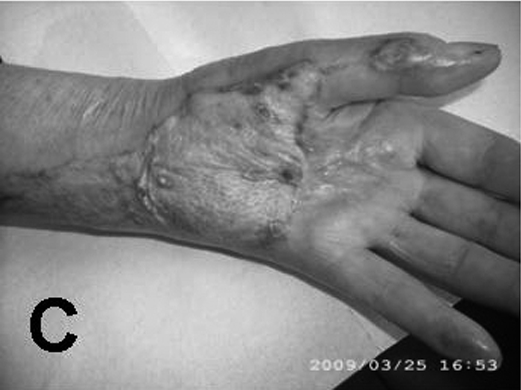
Fig. 2C
Fig. 2C. Five-week post-operative follow-up: the digital burns were not grafted and healed spontaneously.
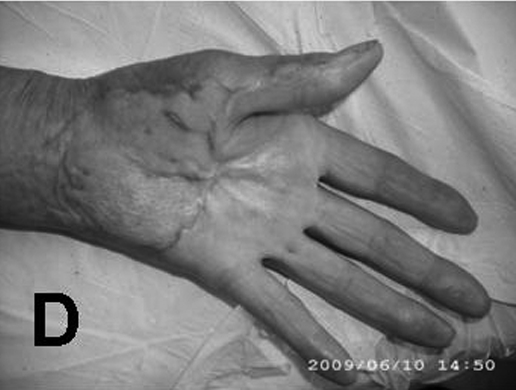
Fig. 2D
Fig. 2D. Four-month follow-up: nearly full extension despite starshaped palmar contracted scar.
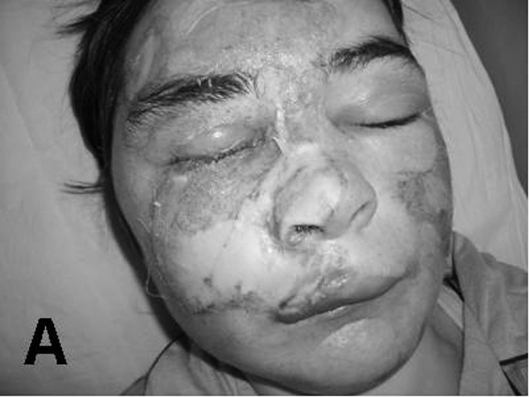
Fig. 3A
Fig. 3A. Initial aspect of full-thickness contact burns in right hemifacial area, presenting dry, waxy, dehydrated eschars involving the forehead, nose, eyelids, right cheek, and the right half of the upper lip.
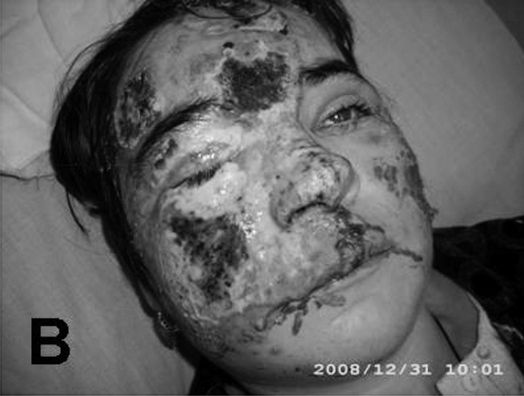
Fig. 3B
Fig. 3B. The burn wounds were debrided (autolytic passive debridement) alternating PUR-foam dressings and silver sulphadiazine. In this way the thick eschars were progressively removed and replaced by a good granular bed; we do not normally use sharp debridement for facial full-thickness burns (preferring passive debridement) because all viable healthy tissues have to be carefully preserved. Complete early excision of facial burn wounds may remove healthy structures, leaving conspicuous ugly scars that are very difficult to repair.
Fig. 3C
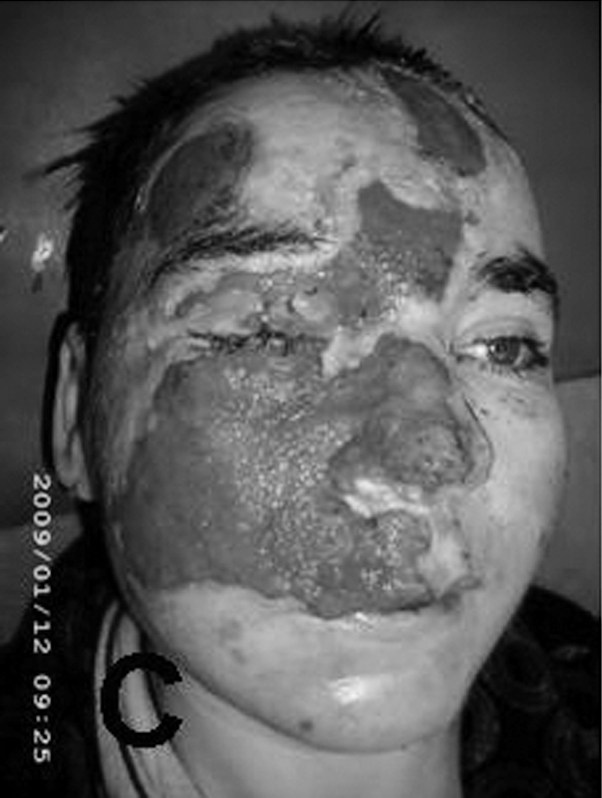
Fig. 3C. Following the procedure shown in Fig. 3B, a very good granular bed was obtained in about three weeks.
Fig. 3D
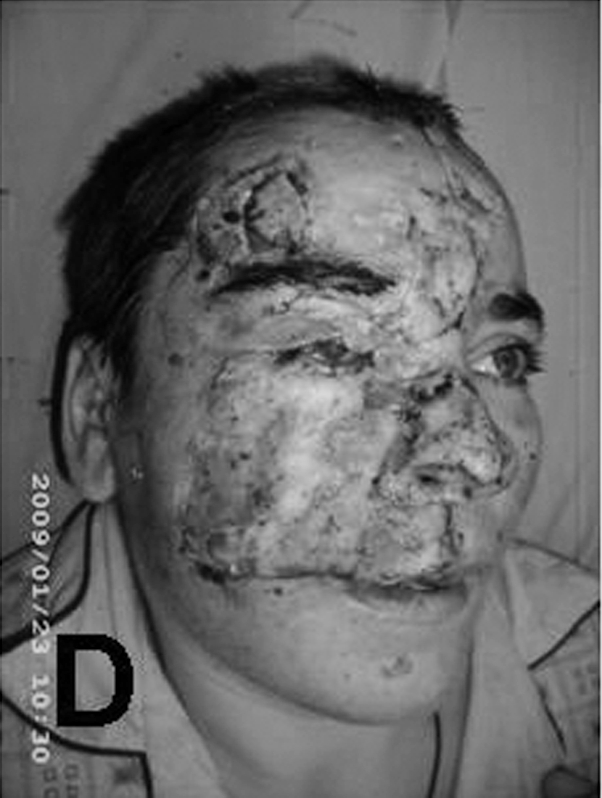
Fig. 3D. The remaining defect shown in Fig. 3C was covered with an unmeshed thick split-thickness skin graft. The photo, taken from above, shows the appearance 8-10 days after grafting (all the grafts took very well, with superficial epidermolysis, which is quite normal under a tie-over dressing).
Fig. 3E
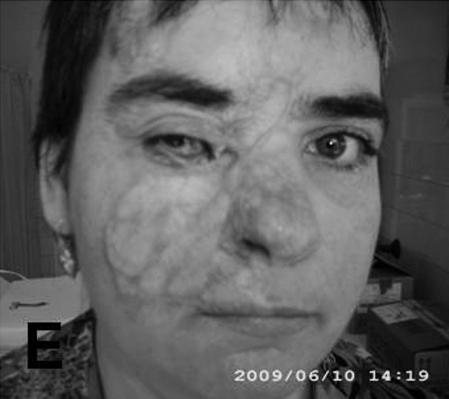
Fig. 3E. The photo, taken from above, shows the patient's aspect six months after skin coverage with very well integrated grafts but also presenting palpebral scars (lower eyelid ectropion and internal epicanthi due to the thick scar bands).
Fig. 4A
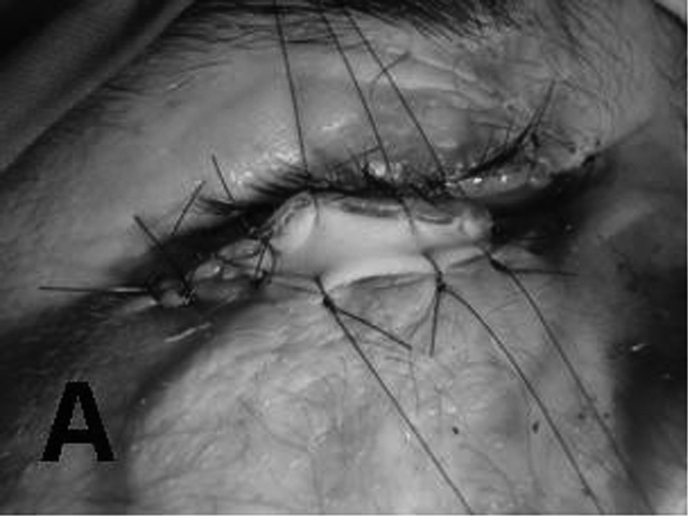
Fig. 4A. The inner canthal fold and the scar contracture of the upper eyelid were released by a Z-plasty, the ectropion of the lower eyelid was excised, and the skin defect was covered with full-thickness skin graft (FTSG) harvested from the right iliac fossa; we prefer this area as an FTSG donor site (rather than the classic retroauricular skin) because such grafts retract less and provide a longer lasting result.
Fig. 4B
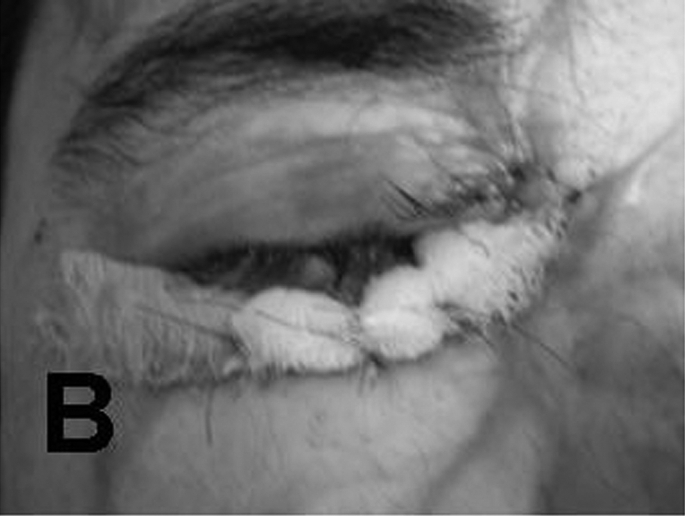
Fig. 4B. The graft shown in Fig. 4A was then covered with a tieover dressing which was removed after 7-9 days; it is possible to see the Z-plasty (with 45° angles) by means of which the ciliary margin of the upper eyelid was aligned.
Fig. 4C
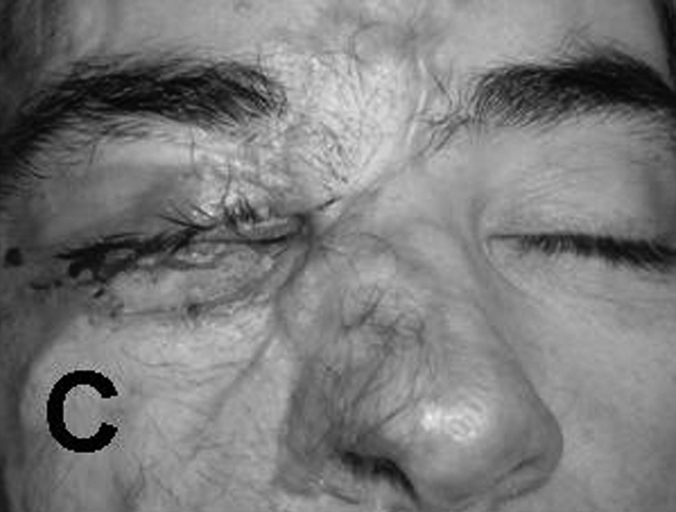
Fig. 4C. Follow-up two weeks post-operation shows complete palpebral occlusion, normal position and orientation of eyelashes, and acceptable dimension of right eyelid opening.
Fig. 4D
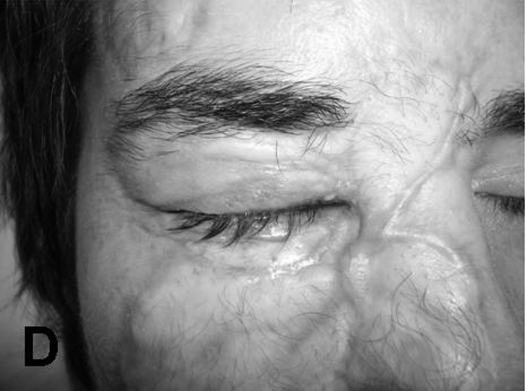
Fig. 4D. The same good result can be seen here after ectropion release and correction of post-burn inner canthal fold.
Fig. 4E
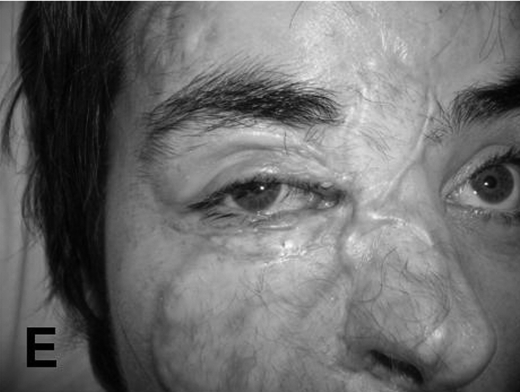
Fig. 4E. This last figure shows once again the good aspect of the eyelids (good occlusion and acceptable symmetry). There is no doubt this patient will need further reconstructive procedures following the evolution of the scar process, but at least for the moment there are no major physiognomical changes that might have a strong psychosocial impact.

References

    1. Oxford Concise Medical Dictionary (4th edition) Oxford University Press; Oxford: 1994. pp. 223–4.
    1. Holy Bible, New Testament. Vol. 111. Trinitarian Bible Society; London: 2003. pp. 33–31.

LinkOut - more resources