


IMP-producing carbapenem-resistant Klebsiella pneumoniae in the United States
- PMID: 21998425
- PMCID: PMC3233008
- DOI: 10.1128/JCM.05297-11
IMP-producing carbapenem-resistant Klebsiella pneumoniae in the United States
Abstract
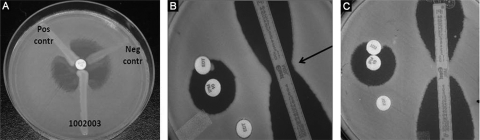
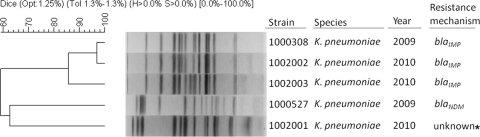
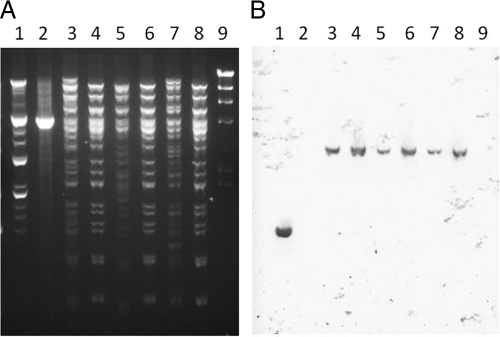
The emergence and spread of carbapenem-resistant Enterobacteriaceae (CRE) producing acquired carbapenemases have created a global public health crisis. In the United States, CRE producing the Klebsiella pneumoniae carbapenemase (KPC) are increasingly common and are endemic in some regions. Metallo-β-lactamase (MBL)-producing CRE have recently been reported in the United States among patients who received medical care in countries where such organisms are common. Here, we describe three carbapenem-resistant K. pneumoniae isolates recovered from pediatric patients at a single U.S. health care facility, none of whom had a history of international travel. The isolates were resistant to carbapenems but susceptible to aztreonam, trimethoprim-sulfamethoxazole, and fluoroquinolones. The three isolates were closely related to each other by pulsed-field gel electrophoresis and contained a common plasmid. PCR and sequence analysis confirmed that these isolates produce IMP-4, an MBL carbapenemase not previously published as present among Enterobacteriaceae in the United States.
Figures
References
-
- Boucher H. W., et al. 2009. Bad bugs, no drugs: no ESKAPE! An update from the Infectious Diseases Society of America. Clin. Infect. Dis. 48:1–12 - PubMed
-
- Bratu S., et al. 2007. Detection and spread of Escherichia coli possessing the plasmid-borne carbapenemase KPC-2 in Brooklyn, New York. Clin. Infect. Dis. 44:972–975 - PubMed
Publication types
MeSH terms
Substances
LinkOut - more resources
Full Text Sources
Other Literature Sources
Medical
Miscellaneous
