


IGF1 and IGFBP3 in acute respiratory distress syndrome
- PMID: 22004906
- PMCID: PMC3757506
- DOI: 10.1530/EJE-11-0778
IGF1 and IGFBP3 in acute respiratory distress syndrome
Erratum in
- Eur J Endocrinol. 2014 Nov;171(5):X4
Abstract
Objective: IGF1 and its most abundant binding protein, IGF-binding protein 3 (IGFBP3), have been implicated in fibrotic lung diseases and persistent acute respiratory distress syndrome (ARDS) due to profibrogenic and antiapoptotic activity. Whether circulating levels of IGF1 and IGFBP3 are altered in ARDS and whether they predict progression of and survival from ARDS remains unknown. This study aims to characterize the circulating levels of IGF1 and IGFBP3 in patients at risk for ARDS in relation to i) development of ARDS and ii) mortality among ARDS cases.
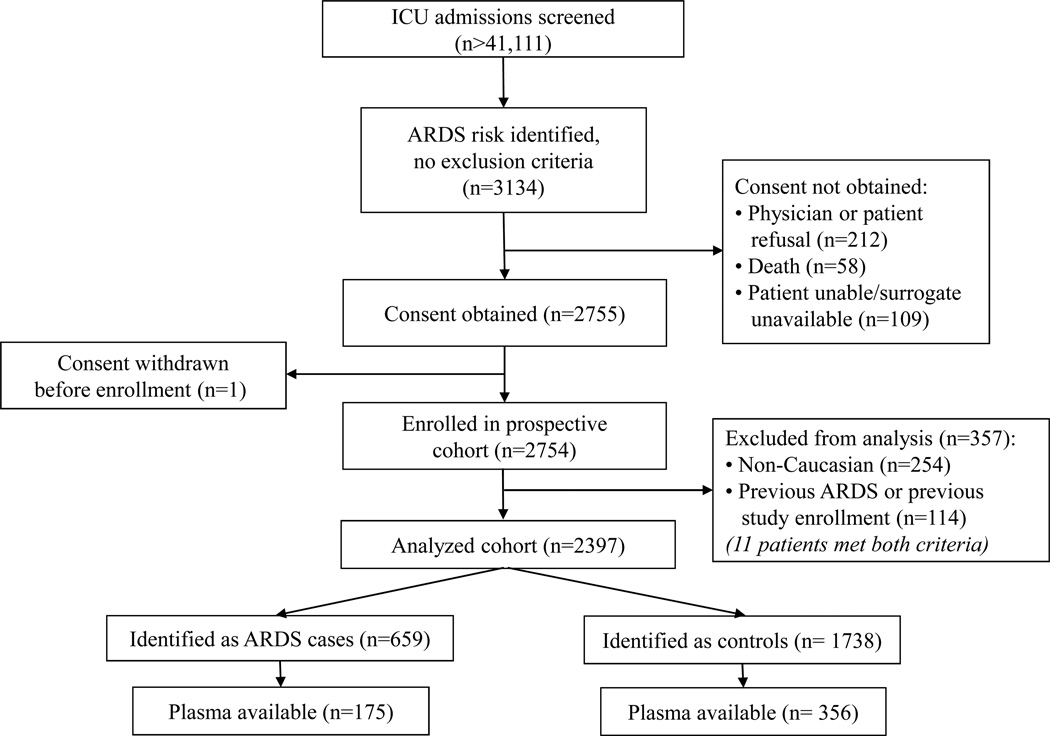
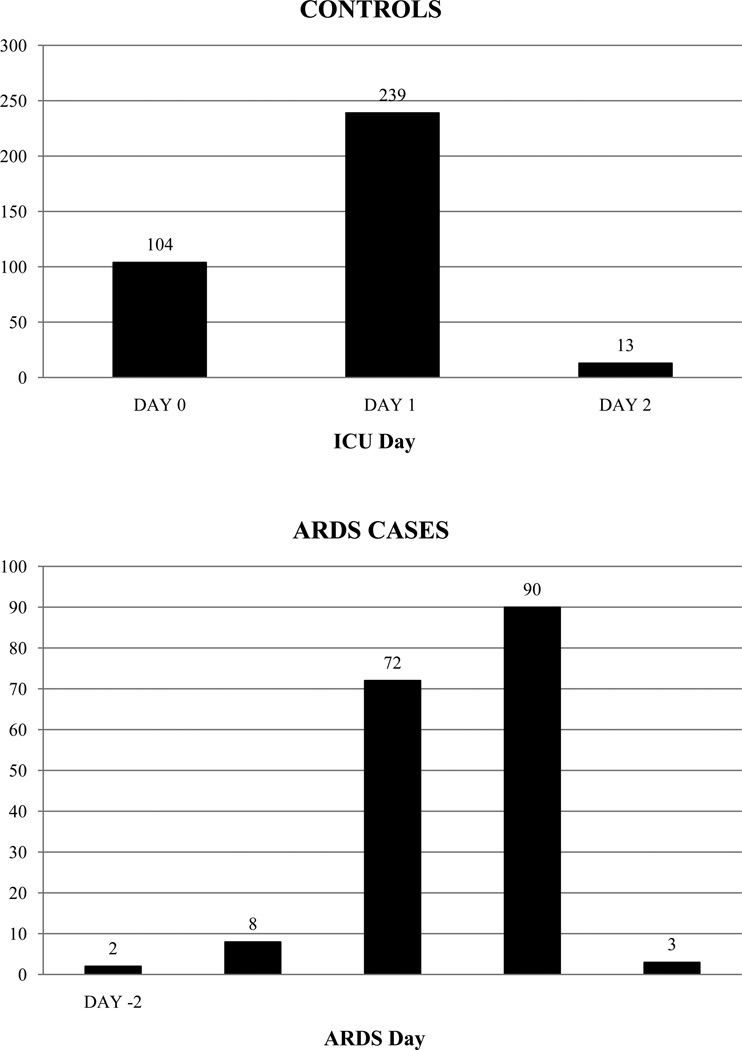
Design: In this case-cohort study, consecutive patients with risk factors for ARDS admitted to the intensive care unit were enrolled and followed prospectively for the development of ARDS. Cases were followed for all-cause mortality through day 60. Of the 2397 patients enrolled in the parent study, plasma samples were available in 531 (22%) patients (356 controls and 175 cases) from early in presentation. Total plasma IGF1 and IGFBP3 levels were measured.
Results: After adjusting for relevant clinical covariates including severity of illness, IGF1 and IGFBP3 levels were significantly lower in ARDS cases than in controls (odds ratio (OR), 0.58; P=0.006; OR, 0.57; P=0.0015 respectively). Among the ARDS cases, IGF1 and IGFBP3 levels were significantly lower in the 78 (45%) non-survivors (hazard ratio (HR), 0.70; P=0.024; HR, 0.69; P=0.021 respectively).
Conclusions: Lower circulating levels of IGF1 and IGFBP3 were independently associated with ARDS case status. Furthermore, lower levels were associated with mortality among the ARDS cases. These data support the role of the IGF pathway in ARDS.
Conflict of interest statement
Figures
References
-
- Clemmons DR. Involvement of insulin-like growth factor-I in the control of glucose homeostasis. Current Opinion in Pharmacology. 2006;6:620–625. - PubMed
-
- Krein PM, Winston BW. Roles for insulin-like growth factor 1 and transforming growth factor-β in fibrotic lung disease. Chest. 2002;122:289S–293S. - PubMed
-
- Allen JT, Bloor CA, Knight RA, Spiteri MA. Expression of insulin-like growth factor binding proteins in bronchoalveolar lavage fluid of patients with pulmonary sarcoidosis. American Journal of Respiratory Cell and Molecular Biology. 1998;19:250–258. - PubMed
-
- Aston C, Jagirdar J, Lee TC, Hur T, Hintz RL, Rom WN. Enhanced insulin-like growth factor molecules in idiopathic pulmonary fibrosis. American Journal of Respiratory and Critical Care Medicine. 1995;151:1597–1603. - PubMed
-
- Pala L, Giannini S, Rosi E, Cresci B, Scano G, Mohan S, Duranti R, Rotella CM. Direct measurement of IGF-1 and IGFBP-3 in bronchoalveolar lavage fluid from idiopathic pulmonary fibrosis. Journal of Endocrinological Investigation. 2001;24:856–864. - PubMed
Publication types
MeSH terms
Substances
Grants and funding
LinkOut - more resources
Full Text Sources
Miscellaneous
