Alignment efficiency of superelastic coaxial nickel-titanium vs superelastic single-stranded nickel-titanium in relieving mandibular anterior crowding: a randomized controlled prospective study
- PMID: 22011096
- PMCID: PMC8845540
- DOI: 10.2319/072111-460.1
Alignment efficiency of superelastic coaxial nickel-titanium vs superelastic single-stranded nickel-titanium in relieving mandibular anterior crowding: a randomized controlled prospective study
Abstract
Objective: To clinically evaluate the alignment efficiency of 0.016-inch coaxial superelastic nickel-titanium (NiTi) and 0.016-inch superelastic NiTi in the lower anterior region over a period of 12 weeks.
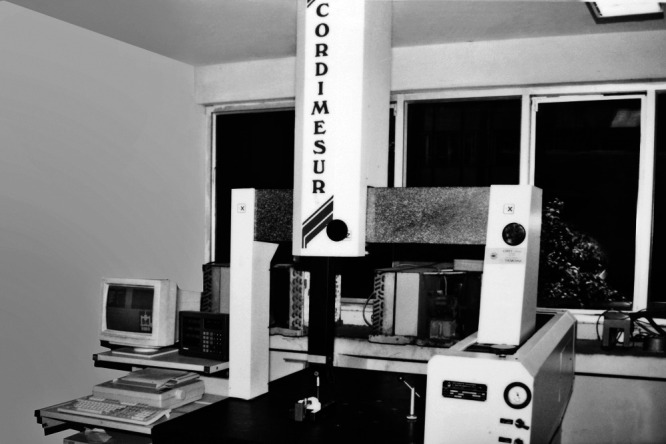
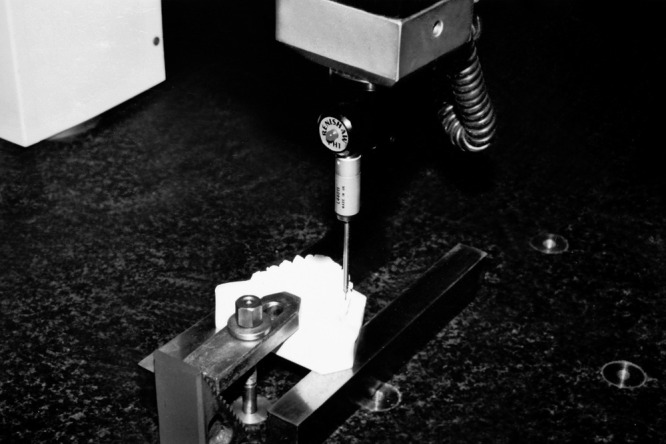
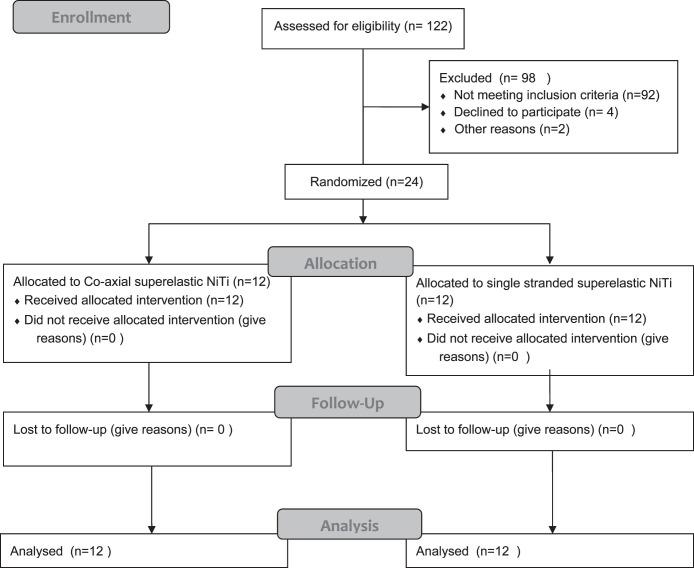
Materials and methods: A sample of 24 patients requiring lower anterior alignment were included in this single-center, single-operator, double-blind clinical trial and were randomly allocated into two groups of 12 patients. The type of wire selected for each patient was not disclosed to the provider or to the patient. Comparison of pretreatment characteristics of the archwire groups revealed no discrimination between two samples, thus verifying the random allocation of the intervention. An initial alginate impression of the lower arch was followed by impressions at 4-, 8-, and 12-week intervals. Casts were measured using the coordinate measuring machine to denote the degree of alignment. Duplicate readings of the cast series were taken to assess measurement variation.
Results: A statistically significant difference (P < .05) in the mean values of tooth movement demonstrated the superior aligning efficiency of coaxial superelastic NiTi over single-stranded superelastic NiTi in relieving lower anterior crowding. The measurement error recorded was within acceptable limits, with range values within 95% limits of agreement.
Conclusion: Coaxial superelastic NiTi wire proved superior to single-stranded NiTi in its efficiency in relieving lower anterior crowding over a 12-week period.
Figures
References
-
- Dalstra M, Melsen B. Does the transition temperature of Cu-NiTi archwires affect the amount of tooth movement during alignment. Orthod Craniofac Res. 2004;7:21–25. - PubMed
-
- Brantley W. A. Orthodontic wires. In: Brantley W. A, Eliades T, editors. Orthodontic Materials Scientific and Clinical Aspects. Stuttgart, Germany: Thieme; 2001. pp. 91–99.
-
- O'Brien K, Lewis D, Shaw W, Combe E. A clinical trial of aligning archwires. Eur J Orthod. 1990;12:380–384. - PubMed
-
- Jones M. L, Staniford H, Chan C. Comparison of superelastic NiTi and multistranded stainless steel wires in initial alignment. J Clin Orthod. 1990;24:611–613. - PubMed
-
- West A. E, Jones M. L, Newcombe R. G. Multiflex versus superelastic: a randomized clinical trial of the tooth alignment ability of initial archwires. Am J Orthod Dentofacial Orthop. 1995;108:464–471. - PubMed
Publication types
MeSH terms
Substances
LinkOut - more resources
Full Text Sources
Medical
Miscellaneous