


A computable cellular stress network model for non-diseased pulmonary and cardiovascular tissue
- PMID: 22011616
- PMCID: PMC3224482
- DOI: 10.1186/1752-0509-5-168
A computable cellular stress network model for non-diseased pulmonary and cardiovascular tissue
Abstract
Background: Humans and other organisms are equipped with a set of responses that can prevent damage from exposure to a multitude of endogenous and environmental stressors. If these stress responses are overwhelmed, this can result in pathogenesis of diseases, which is reflected by an increased development of, e.g., pulmonary and cardiac diseases in humans exposed to chronic levels of environmental stress, including inhaled cigarette smoke (CS). Systems biology data sets (e.g., transcriptomics, phosphoproteomics, metabolomics) could enable comprehensive investigation of the biological impact of these stressors. However, detailed mechanistic networks are needed to determine which specific pathways are activated in response to different stressors and to drive the qualitative and eventually quantitative assessment of these data. A current limiting step in this process is the availability of detailed mechanistic networks that can be used as an analytical substrate.
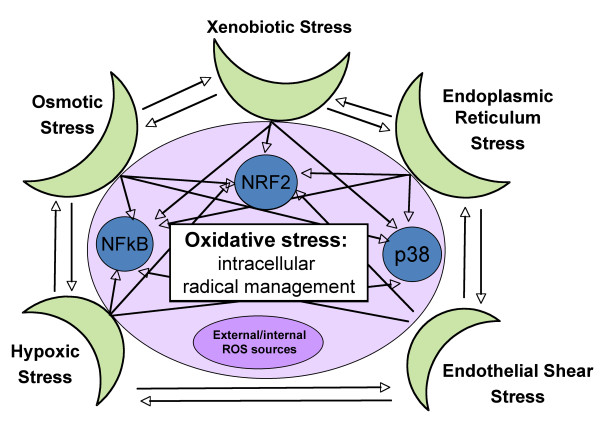
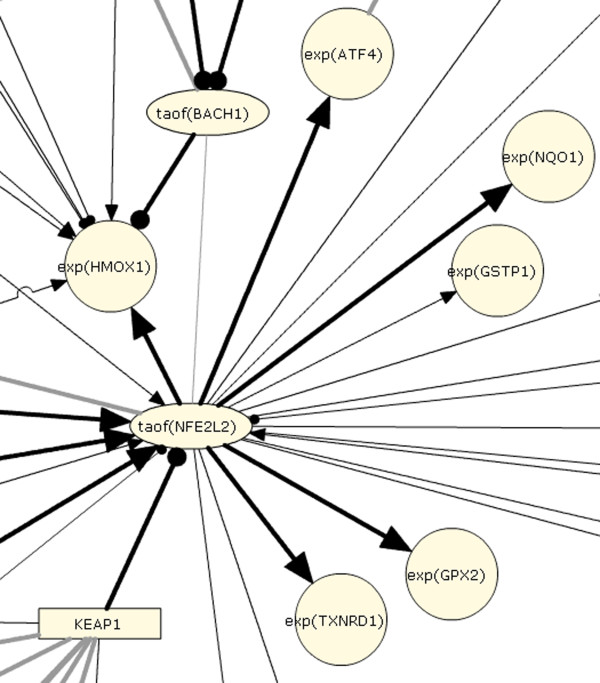
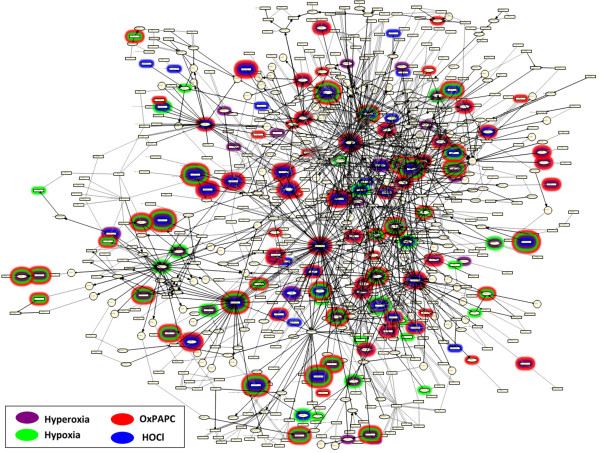
Results: We have built a detailed network model that captures the biology underlying the physiological cellular response to endogenous and exogenous stressors in non-diseased mammalian pulmonary and cardiovascular cells. The contents of the network model reflect several diverse areas of signaling, including oxidative stress, hypoxia, shear stress, endoplasmic reticulum stress, and xenobiotic stress, that are elicited in response to common pulmonary and cardiovascular stressors. We then tested the ability of the network model to identify the mechanisms that are activated in response to CS, a broad inducer of cellular stress. Using transcriptomic data from the lungs of mice exposed to CS, the network model identified a robust increase in the oxidative stress response, largely mediated by the anti-oxidant NRF2 pathways, consistent with previous reports on the impact of CS exposure in the mammalian lung.
Conclusions: The results presented here describe the construction of a cellular stress network model and its application towards the analysis of environmental stress using transcriptomic data. The proof-of-principle analysis described here, coupled with the future development of additional network models covering distinct areas of biology, will help to further clarify the integrated biological responses elicited by complex environmental stressors such as CS, in pulmonary and cardiovascular cells.
Figures
References
-
- Ris C. U.S. EPA health assessment for diesel engine exhaust: a review. Inhal Toxicol. 2007;19(Suppl 1):229–239. - PubMed
Publication types
MeSH terms
Substances
LinkOut - more resources
Full Text Sources
Other Literature Sources
