


Malaria drug resistance: new observations and developments
- PMID: 22023447
- PMCID: PMC3428136
- DOI: 10.1042/bse0510137
Malaria drug resistance: new observations and developments
Abstract
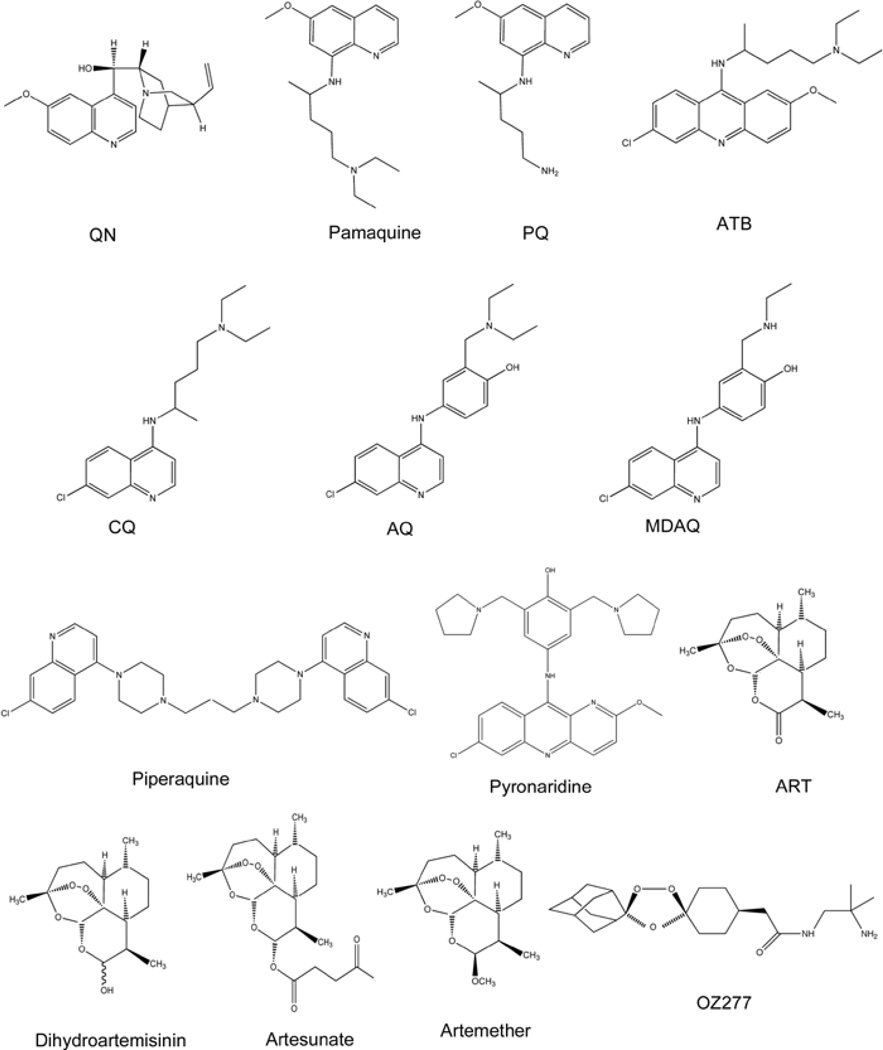
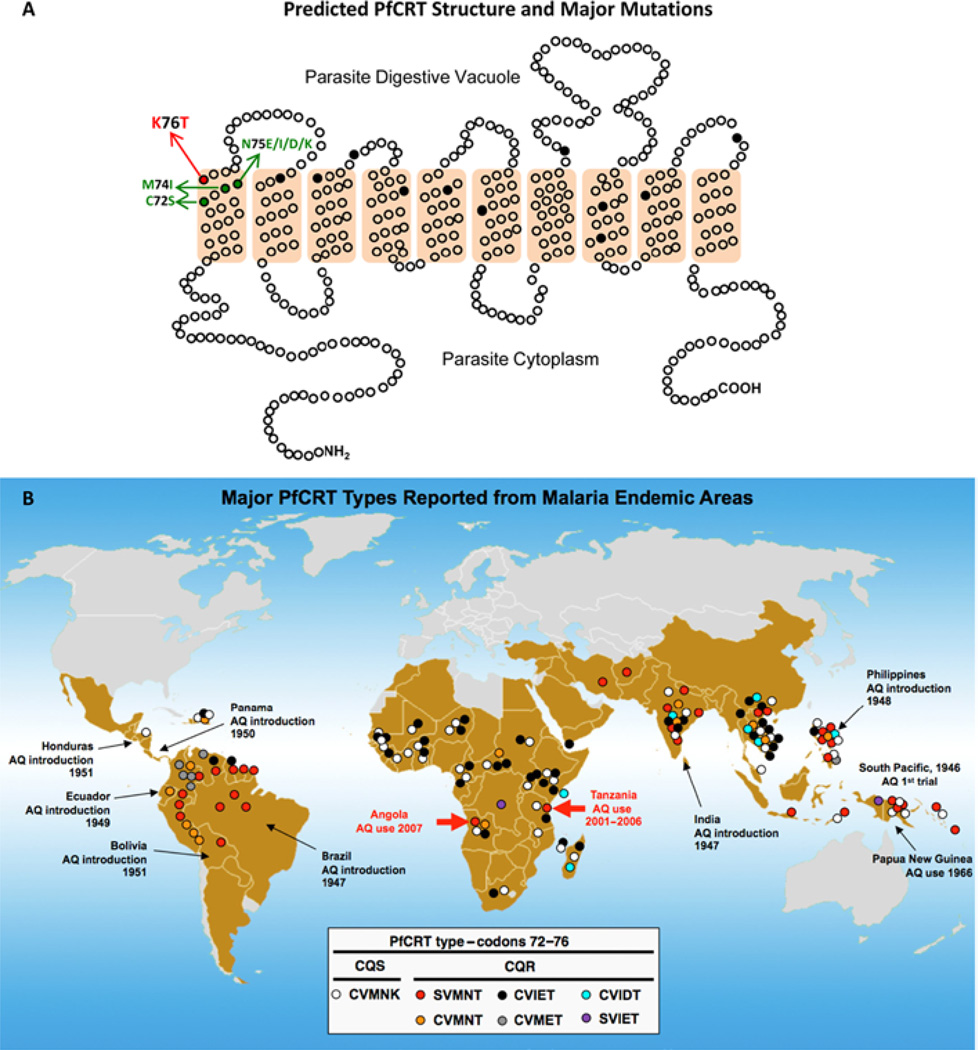
Drug-resistant micro-organisms became widespread in the 20th Century, often with devastating consequences, in response to widespread use of natural and synthetic drugs against infectious diseases. Antimalarial resistance provides one of the earliest examples, following the introduction of new medicines that filled important needs for prophylaxis and treatment around the globe. In the present chapter, we offer a brief synopsis of major antimalarial developments from two natural remedies, the qinghaosu and cinchona bark infusions, and of synthetic drugs inspired by the active components of these remedies. We review some contributions that early efficacy studies of antimalarial treatment brought to clinical pharmacology, including convincing documentation of atebrine-resistant malaria in the 1940s, prior to the launching of what soon became first-choice antimalarials, chloroquine and amodiaquine. Finally, we discuss some new observations on the molecular genetics of drug resistance, including delayed parasite clearances that have been increasingly observed in response to artemisinin derivatives in regions of South-East Asia.
Figures
References
-
- Peters W. Chemotherapy and Drug Resistance in Malaria. 2nd edn. London: Harcourt Brace Jovanich; 1987.
-
- Hsu E. The history of qing hao in the Chinese materia medica. Trans. R. Soc. Trop. Med. Hyg. 2006;100:505–508. - PubMed
-
- Hsu E. Diverse biologies and experiential continuities: did the ancient Chinese know that qinghao had anti-malarial properties? Can. Bull. Med. Hist. 2009;26:203–213. - PubMed
-
- Liang X-T, Fang W-S. Medicinal Chemistry of Bioactive Natural Products. Hoboken: Wiley InterScience; 2006.
Publication types
MeSH terms
Substances
Grants and funding
LinkOut - more resources
Full Text Sources
Other Literature Sources
Medical
