


Energy drinks and the neurophysiological impact of caffeine
- PMID: 22025909
- PMCID: PMC3198027
- DOI: 10.3389/fnins.2011.00116
Energy drinks and the neurophysiological impact of caffeine
Abstract
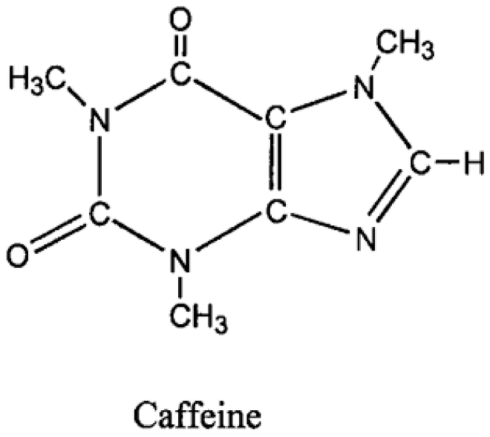
Caffeine is the most widely used psychoactive stimulant with prevalent use across all age groups. It is a naturally occurring substance found in the coffee bean, tea leaf, the kola nut, cocoa bean. Recently there has been an increase in energy drink consumption leading to caffeine abuse, with aggressive marketing and poor awareness on the consequences of high caffeine use. With caffeine consumption being so common, it is vital to know the impact caffeine has on the body, as its effects can influence cardio-respiratory, endocrine, and perhaps most importantly neurological systems. Detrimental effects have being described especially since an over consumption of caffeine has being noted. This review focuses on the neurophysiological impact of caffeine and its biochemical pathways in the human body.
Keywords: adenosine receptors; caffeine; energy drinks; neurophysiology.
Figures


References
-
- American Psychiatric Association (2000). Diagnostic and Statistical Manual of Mental Disorders: DSM-IV-TR, 4th Edn Washington, DC: American Psychiatric Association
LinkOut - more resources
Full Text Sources
Other Literature Sources
