


Methods of induction of labour: a systematic review
- PMID: 22032440
- PMCID: PMC3224350
- DOI: 10.1186/1471-2393-11-84
Methods of induction of labour: a systematic review
Abstract
Background: Rates of labour induction are increasing. We conducted this systematic review to assess the evidence supporting use of each method of labour induction.
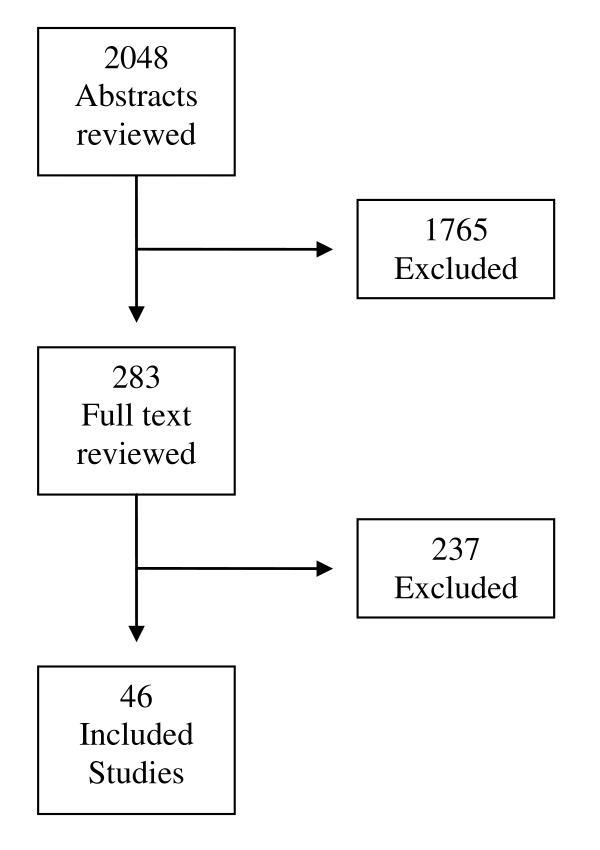
Methods: We listed methods of labour induction then reviewed the evidence supporting each. We searched MEDLINE and the Cochrane Library between 1980 and November 2010 using multiple terms and combinations, including labor, induced/or induction of labor, prostaglandin or prostaglandins, misoprostol, Cytotec, 16,16,-dimethylprostaglandin E2 or E2, dinoprostone; Prepidil, Cervidil, Dinoprost, Carboprost or hemabate; prostin, oxytocin, misoprostol, membrane sweeping or membrane stripping, amniotomy, balloon catheter or Foley catheter, hygroscopic dilators, laminaria, dilapan, saline injection, nipple stimulation, intercourse, acupuncture, castor oil, herbs. We performed a best evidence review of the literature supporting each method. We identified 2048 abstracts and reviewed 283 full text articles. We preferentially included high quality systematic reviews or large randomised trials. Where no such studies existed, we included the best evidence available from smaller randomised or quasi-randomised trials.
Results: We included 46 full text articles. We assigned a quality rating to each included article and a strength of evidence rating to each body of literature. Prostaglandin E2 (PGE2) and vaginal misoprostol were more effective than oxytocin in bringing about vaginal delivery within 24 hours but were associated with more uterine hyperstimulation. Mechanical methods reduced uterine hyperstimulation compared with PGE2 and misoprostol, but increased maternal and neonatal infectious morbidity compared with other methods. Membrane sweeping reduced post-term gestations. Most included studies were too small to evaluate risk for rare adverse outcomes.
Conclusions: Research is needed to determine benefits and harms of many induction methods.
References
-
- Hofmeyr GJ, Alfirevic Z, Kelly AJ, Kavanagh J, Thomas J, Neilson JP, Dowswell T. Methods for cervical ripening and labour induction in late pregnancy: generic protocol [Protocol] Cochrane Database of Systematic Reviews. 2009.
-
- Clinical Evidence Glossary: Helping You to Practice Evidence-Based Medicine. http://clinicalevidence.bmj.com/ceweb/resources/glossary.jsp#B
-
- Creating a Framework for "Best Evidence" Approaches in Systematic Reviews, Evidence-based Practice Center Systematic Review Protocol. http://www.ahrq.gov/clinic/tp/bestevtp.htm
Publication types
MeSH terms
Substances
LinkOut - more resources
Full Text Sources
Other Literature Sources
Medical
