Review
. 2012 Jan;33(1):9-16.
doi: 10.1016/j.tips.2011.09.006. Epub 2011 Oct 25.

Drug targets: single-cell transcriptomics hastens unbiased discovery

Affiliations
Review

Drug targets: single-cell transcriptomics hastens unbiased discovery

Tamas Bartfai et al. Trends Pharmacol Sci. 2012 Jan.

Abstract

Drug discovery in neuro- and psychopharmacology is lagging, and the most commonly mentioned cause is the scarcity of drug targets. Using NextGen 'sequencing based single-cell transcriptomics' (SBSCT), several hundred different receptors and channels can be identified in individual neurons, and the functional gene product can subsequently be validated. The use of single-cell transcriptome data to reveal the entire receptor repertoire is crucial, as the copy numbers of mRNAs encoding receptors are low, and when cells are pooled dilution of rare mRNAs leads to loss of signal. These overlooked receptors on key neurons often mediate robust effects that may be therapeutically useful. SBSCT also enables the identification of orphan receptors and can provide strong evidence for receptor heterodimers. Here, we compare SBSCT to other single-cell profiling methods. We argue that the unbiased nature of SBSCT makes it a powerful tool for the identification of new drug targets.


Figures

Figure 1
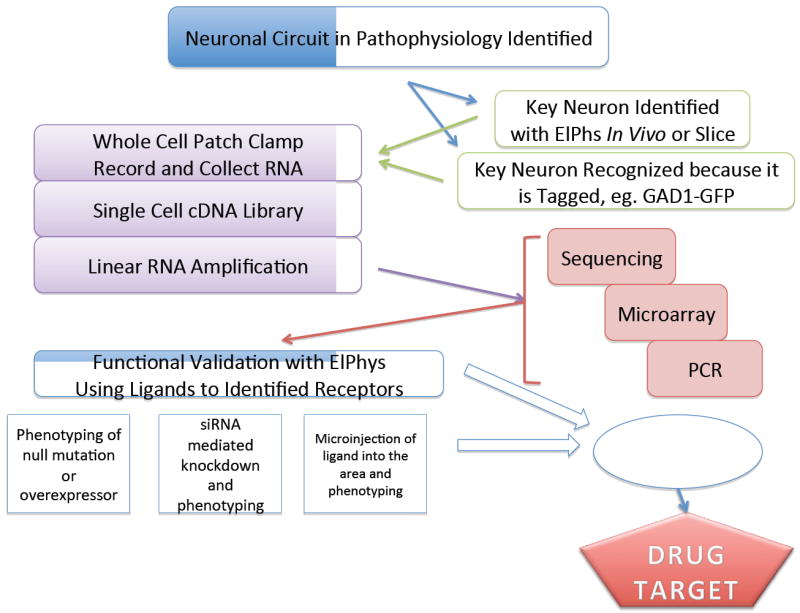
Figure 1. Sequencing based single cell transcriptomics (SBSCT) for drug target identification
The workflow illustrated in this schematic details how SBSCT can be used to identify drug targets. First, a neural circuit underlying pathophysiological behavior is identified. Next, key neurons within the circuit are identified through electrophysiological studies (ElPhys) or through specific tags, such as with GAD-GFP (glutamic acid decarboxylase-green fluorescent protein). Next, whole cell patch clamp is used to electrophysiologically characterize the cell and the patch pipette is then used to collect the RNA from an individual neuron. This RNA is then amplified into quantities that permit sequencing, microarray and PCR to be used to assess the presence and abundance of mRNAs from the cell. For SBSCT in particular, all mRNAs of a single cell are sequenced indiscriminately. Finally, the function of the mRNA encoded receptor, ligand-gated channel, or voltage-gated channel can be interrogated by single cell ElPhys methods that, like patch clamp, can study a single ion channel being expressed from an mRNA or show functional expression of several channels or receptors using the whole cell configuration. Other methods to validate functionality can include selective phenotyping (null or over-expression of a given receptor or channel), small interfering RNA (siRNA)-mediated knockdown, and/or microinjection of the related ligand.
Figure 2
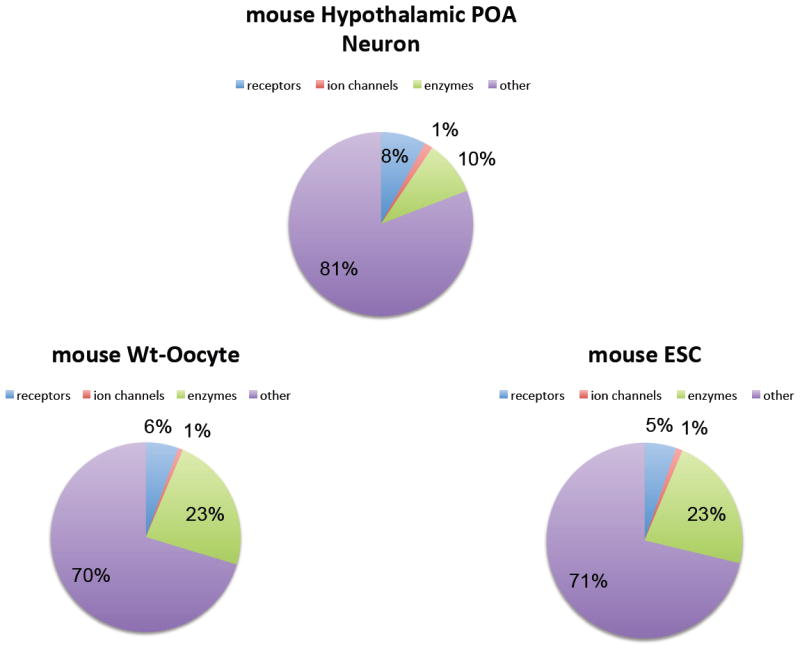
Figure 2. Gene onotology (GO) categories for mRNAs identified in individual cells
Comparison of the expression of mRNAs in GO categories from various mouse cells shows that there are large numbers of receptors in each cell type. In this example, a single hypothalamic POA neuron is compared with a single oocyte and a single blastomere from a four-cell stage embryo (MF1 strain). Although the total number of mRNAs detected in the hypothalamic neuron is 6120, the oocyte and blastomere have a larger number of detectable mRNAs (14,215 and 15,595 respectively), each cell type has a large proportion of expressed mRNAs annotated as receptors. The percentage of total RNA devoted to receptors was highest in the hypothalamic neuron at 8%, whereas the other cell types range from 5% to 6%. Although GPCRs have been shown to homodimerize and heterodimerize under certain conditions, channels are known to heterodimerize extensively. Therefore, the presence of ~90 mRNAs that encode channel subunit proteins suggests a large repertoire of heteromeric channels.

References

    1. Ginsberg SD, et al. Single-cell gene expression analysis: implications for neurodegenerative and neuropsychiatric disorders. Neurochem Res. 2004;29:1053–1064. - PubMed
    1. Bartfai T, Lees GV. Drug Discovery: from Bedside to Wall Street. Elsevier Amsterdam or Japanese and Mandarin editions. 2008, 2010, 2007.
    1. Kim DH, Stahl SM. Antipsychotic drug development. Curr Top Behav Neurosci. 2010;4:123–139. - PubMed
    1. Agnati LF, Guidolin D, Guescini M, Genedani S, Fuxe K. Understanding wiring and volume transmission. Brain Res Rev. 2010;64:137–159. doi: 10.1016/j.brainresrev.2010.03.003. - DOI - PubMed
    1. Kandel ER, Schwartz JH, Jessel TM. 1981-2006

Publication types

Substances