


Molecular functions of syndecan-1 in disease
- PMID: 22033227
- PMCID: PMC3568394
- DOI: 10.1016/j.matbio.2011.10.001
Molecular functions of syndecan-1 in disease
Abstract
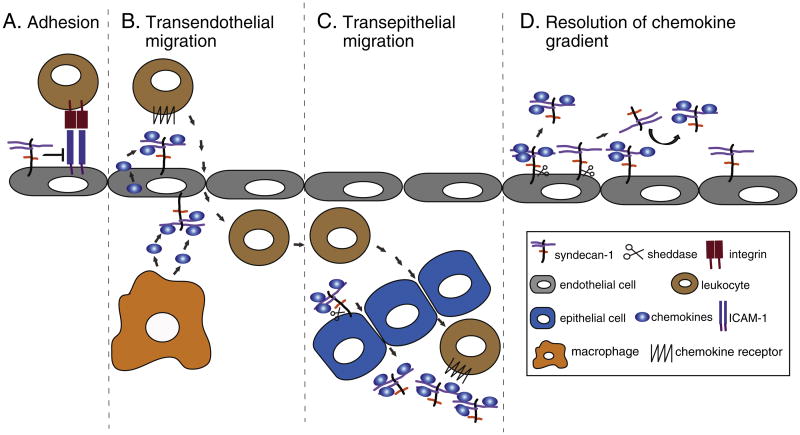
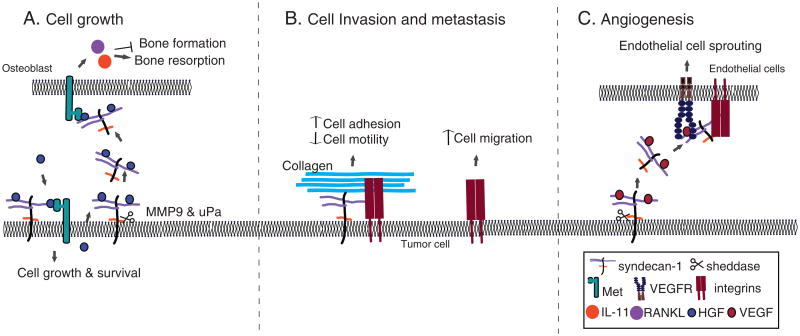
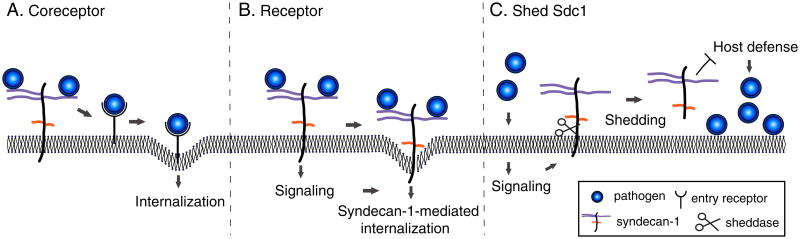
Syndecan-1 is a cell surface heparan sulfate proteoglycan that binds to many mediators of disease pathogenesis. Through these molecular interactions, syndecan-1 can modulate leukocyte recruitment, cancer cell proliferation and invasion, angiogenesis, microbial attachment and entry, host defense mechanisms, and matrix remodeling. The significance of syndecan-1 interactions in disease is underscored by the striking pathological phenotypes seen in the syndecan-1 null mice when they are challenged with disease-instigating agents or conditions. This review discusses the key molecular functions of syndecan-1 in modulating the onset, progression, and resolution of inflammatory diseases, cancer, and infection.
Copyright © 2011 International Society of Matrix Biology. Published by Elsevier B.V. All rights reserved.
Figures
References
-
- Alexander CM, Reichsman F, Hinkes MT, Lincecum J, Becker KA, Cumberledge S, Bernfield M. Syndecan-1 is required for Wnt-1-induced mammary tumorigenesis in mice. Nat Genet. 2000;25:329–332. - PubMed
-
- Anttonen A, Heikkila P, Kajanti M, Jalkanen M, Joensuu H. High syndecan-1 expression is associated with favourable outcome in squamous cell lung carcinoma treated with radical surgery. Lung Cancer. 2001;32:297–305. - PubMed
Publication types
MeSH terms
Substances
Grants and funding
LinkOut - more resources
Full Text Sources
Other Literature Sources
