


Translesion DNA synthesis in the context of cancer research
- PMID: 22047021
- PMCID: PMC3224763
- DOI: 10.1186/1475-2867-11-39
Translesion DNA synthesis in the context of cancer research
Abstract
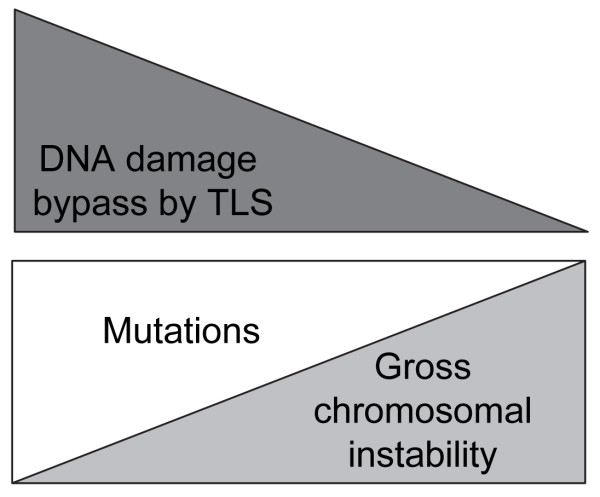
During cell division, replication of the genomic DNA is performed by high-fidelity DNA polymerases but these error-free enzymes can not synthesize across damaged DNA. Specialized DNA polymerases, so called DNA translesion synthesis polymerases (TLS polymerases), can replicate damaged DNA thereby avoiding replication fork breakdown and subsequent chromosomal instability.We focus on the involvement of mammalian TLS polymerases in DNA damage tolerance mechanisms. In detail, we review the discovery of TLS polymerases and describe the molecular features of all the mammalian TLS polymerases identified so far. We give a short overview of the mechanisms that regulate the selectivity and activity of TLS polymerases. In addition, we summarize the current knowledge how different types of DNA damage, relevant either for the induction or treatment of cancer, are bypassed by TLS polymerases. Finally, we elucidate the relevance of TLS polymerases in the context of cancer therapy.
Figures


References
-
- Lander ES, Linton LM, Birren B, Nusbaum C, Zody MC, Baldwin J, Devon K, Dewar K, Doyle M, FitzHugh W. et al.Initial sequencing and analysis of the human genome. Nature. 2001;409(6822):860–921. - PubMed
-
- Venter JC, Adams MD, Myers EW, Li PW, Mural RJ, Sutton GG, Smith HO, Yandell M, Evans CA, Holt RA. et al.The sequence of the human genome. Science. 2001;291(5507):1304–1351. - PubMed
-
- Lindahl T, Barnes DE. Repair of endogenous DNA damage. Cold Spring Harb Symp Quant Biol. 2000;65:127–133. - PubMed
-
- Barnes DE, Lindahl T. Repair and genetic consequences of endogenous DNA base damage in mammalian cells. Annu Rev Genet. 2004;38:445–476. - PubMed
-
- Hecht SS. Tobacco smoke carcinogens and lung cancer. J Natl Cancer Inst. 1999;91(14):1194–1210. - PubMed
LinkOut - more resources
Full Text Sources
