


Spirituality in general practice: a qualitative evidence synthesis
- PMID: 22054339
- PMCID: PMC3207093
- DOI: 10.3399/bjgp11X606663
Spirituality in general practice: a qualitative evidence synthesis
Abstract
Background: Although it is now common to see spirituality as an integral part of health care, little is known about how to deal with this topic in daily practice.
Aim: To investigate the literature about GPs' views on their role in spiritual care, and about their perceived barriers and facilitating factors in assessing spiritual needs.
Design: Qualitative evidence synthesis.
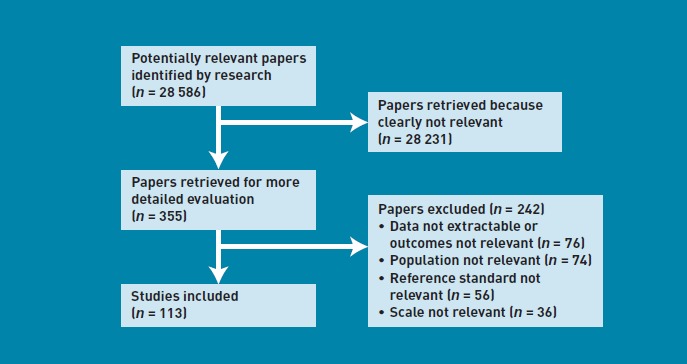
Method: The primary data sources searched were MEDLINE, Web of Science, CINAHL, Embase, and ATLA Religion Database. Qualitative studies that described the views of GPs on their role in providing spiritual care, or that described the barriers and facilitating factors they experience in doing so, were included. Quantitative studies, descriptive papers, editorials, and opinion papers were excluded.
Results: Most GPs see it as their role to identify and assess patients' spiritual needs, despite perceived barriers such as lack of time and specific training. However, they struggle with spiritual language and experience feelings of discomfort and fear that patients will refuse to engage in the discussion. Communicating willingness to engage in spiritual care, using a non-judgemental approach, facilitates spiritual conversations.
Conclusion: The results of the studies included here were mostly congruent, affirming that many GPs see themselves as supporters of patients' spiritual wellbeing, but lack specific knowledge, skills, and attitudes to perform a spiritual assessment and to provide spiritual care. Spirituality may be of special consequence at the end of life, with an increased search for meaning. Actively addressing spiritual issues fits into the biopsychosocial-spiritual model of care. Further research is needed to clarify the role of the GP as a spiritual care giver.
Figures
Comment in
-
A systematic review: the role of spirituality in reducing depression in people living with HIV/AIDS.Br J Gen Pract. 2012 Feb;62(595):68. doi: 10.3399/bjgp12X625049. Br J Gen Pract. 2012. PMID: 22520767 Free PMC article. No abstract available.
References
-
- Cancer pain relief and palliative care. Report of a WHO Expert Committee. World Health Organ Tech Rep Ser. 1990;804:1–75. - PubMed
-
- Sinclair S, Pereira J, Raffin S. A thematic review of the spirituality literature within palliative care. J Palliat Med. 2006;9(2):464–479. - PubMed
-
- Simington JA. Ethics for an evolving spirituality. In: Storch J, Rodney P, Starzomski R, editors. Toward a moral horizon: nursing ethics for leadership and practice. Toronto: Pearson-Prentice Hall; 2004. pp. 465–484.
-
- Wright KB. Professional, ethical, and legal implications for spiritual care in nursing. Image J Nurs Sch. 1998;30(1):81–83. - PubMed
-
- Koenig HG. Religion, spirituality, and medicine: research findings and implications for clinical practice. South Med J. 2004;97(12):1194–1200. - PubMed
Publication types
MeSH terms
LinkOut - more resources
Full Text Sources
